

Earnest Money Deposit Agreement in Costa Rica Explained|
An earnest money deposit agreement in Costa Rica is a legally binding step that protects buyers when purchasing property. It secures the home, formalizes your intent, and ensures your funds are safely held while due diligence is completed.
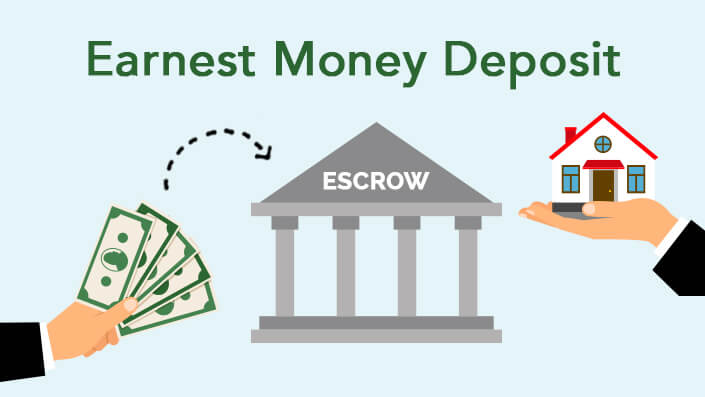
Your Foundation for a Secure Purchase in Costa Rica
For many people dreaming of a new life here, the term “earnest money deposit” might sound like another layer of complexity in an exciting new market. We want to help you see it differently. Think of it not as a hurdle, but as the sturdy foundation that protects your interests and paves a clear path to owning your piece of paradise. It’s the step that transforms a hopeful intention into a legally recognized and secure commitment.
What Is an Earnest Money Deposit?
At its heart, an earnest money deposit is a sum of money a buyer places in a secure, neutral account to show their serious intent to purchase a property. While this money will eventually be applied toward the purchase price, it is important to know that it is not the down payment itself. Instead, it acts as a good-faith pledge. It demonstrates to the seller that you are committed to moving forward once certain conditions, designed to protect you, are met.
The earnest money deposit serves several vital functions in Costa Rican real estate, providing security for both you and the seller.
- It Formalizes Your Intent: This is the first concrete action that signals your serious commitment, moving your interest from a casual conversation to a formal agreement.
- It Takes the Property Off the Market: Once an earnest money agreement is in place and the deposit is secured, the seller removes the property from the market. This ensures no other buyer can swoop in and claim your dream home while you proceed with the next steps.
- It Protects Both Parties: This deposit acts as a form of mutual security. If a buyer backs out of the agreement without a valid, contractual reason, the seller may be entitled to the deposit as compensation. Conversely, if the seller defaults or fails to meet their obligations, the buyer is entitled to a full refund, offering you complete financial protection.
Clearing Up Common Misconceptions
It’s easy to confuse the earnest money deposit with other parts of a property purchase. Let’s clarify the key differences.
- It is not the full down payment. The earnest money is typically a smaller amount than the entire down payment. The full down payment is usually made at closing or upon signing the final purchase and sale agreement.
- It is distinct from closing costs. Closing costs are separate expenses for the legal and administrative process of transferring ownership, such as legal fees, registration fees, and transfer taxes. These are paid at closing.
- It is not just a reservation fee. While some new developments might ask for a small reservation fee, an earnest money deposit is a formal, legal component of a comprehensive Purchase and Sale Agreement or an Option to Buy-Sell contract.
How the Earnest Money Deposit Works in Costa Rica
Understanding the practical steps helps demystify the process and shows how it’s designed to keep you safe. Here’s a typical overview of the buying property in Costa rica legal steps.
- Offer and Acceptance: You make an offer on a property, and the seller accepts it.
- Purchase and Sale Agreement: Your offer is then formalized into a written agreement, carefully drafted by a trusted Costa Rican attorney. This document outlines all terms, conditions, and contingencies, and it specifies the earnest money amount.
- Making the Deposit: You provide the agreed-upon earnest money, typically 5% to 10% of the purchase price.
- The Escrow Account: This is a crucial point for your security. The deposit is not given directly to the seller. Instead, it is held in a neutral, secure third-party escrow account, usually managed by a reputable escrow agent or an attorney’s trust account.
- The Due Diligence Period: During a specified timeframe known as the due diligence period, you and your legal team conduct inspections, title searches, and verify all aspects of the property. If any significant issues arise that aren’t resolved, you have the right to withdraw and receive a full refund of your earnest money, as defined in your agreement.
- Fulfilling Conditions: Both you and the seller work to satisfy any conditions, known as contingencies, outlined in the agreement, like ensuring a clear property title.
- Application or Refund:
- If all conditions are met and the sale moves forward, the earnest money is released from escrow and applied directly toward the purchase price at closing.
- If the sale falls through because a contingency was not met, the earnest money is returned to you.
- If you, as the buyer, back out of the deal without a valid contractual reason after the due diligence period, the earnest money may be forfeited to the seller.
This structured process ensures your investment is handled with transparency and legal precision, safeguarding you every step of the way.
Why the Earnest Money Agreement is Your Critical Safeguard
Many of our clients approach buying property in a new country with a natural sense of caution. The earnest money deposit agreement, often just called the “earnest money agreement,” can seem like just another piece of paperwork. We want to assure you that this document is your primary layer of protection. It is the cornerstone of a secure and transparent transaction in Costa Rica, transforming a handshake into a binding commitment that protects your interests from the very beginning.
From Promise to Protection
A verbal agreement offers very little legal protection. The earnest money deposit agreement changes everything. It solidifies your discussions into a legally enforceable contract under Costa Rican real estate law. For you, as a buyer from afar, this means your commitment is formally recognized, providing a clear legal framework should any issues arise. It’s the moment your dream of owning property here becomes a tangible, protected process.
Securing Your Dream Property
Imagine finding the perfect home, only to have it sold to someone else while you’re arranging your affairs. This agreement prevents that heartache. When you sign the agreement and make the deposit, the seller formally commits to taking the property off the market. This grants you an exclusive period to proceed with the purchase, giving you peace of mind and the space to focus on the next steps without the anxiety of losing your ideal spot.
A Two-Way Commitment with Legal Recourse
It’s natural to wonder if this deposit mainly benefits the seller, but this agreement is a two-way street designed to protect both parties. While it formalizes your intent, it also obligates the seller to uphold their end of the bargain. Critically, it outlines specific conditions under which your deposit is either refundable or forfeited, providing clear boundaries and expectations.
For example:
- If your due diligence uncovers significant, undisclosed issues with the property title that cannot be resolved, the agreement allows for the return of your deposit.
- Should the seller decide to back out without a valid reason, you would typically be entitled to the return of your deposit, often with penalties to the seller as specified in the contract.
This mutual commitment significantly reduces the risk of a costly mistake or being taken advantage of, which is a common fear for those buying from abroad.
Key Components of a Robust Agreement
To feel truly secure, it’s helpful to understand the core elements of the agreement. Think of these as the building blocks that create a strong foundation for your purchase.
Your initial written proposal is often called an offer to purchase. It sets the stage by establishing the primary terms that will then be solidified in the earnest money deposit agreement.
A strong agreement must include:
- Detailed Property Description: Precise identification of the property, including its official registration number (folio real).
- Agreed Purchase Price: The total price for the property.
- Earnest Money Deposit Amount: The specific sum and details on who will hold it in a secure escrow account.
- Due Diligence Period: A clear timeframe for you to conduct all investigations. This is your window to uncover any potential issues.
- Closing Date: The agreed-upon date for the final purchase.
- Contingencies: Any specific requirements that must be met before the sale can proceed, like satisfactory inspection reports.
- Default Clauses: Clear rules on what happens if either party fails to fulfill their obligations, outlining the consequences of a breach of contract.
The Role of Your Legal Team and the Notary Public
You should never navigate this document alone. Your Costa Rican real estate attorney is indispensable here. They will draft or review every clause to ensure it complies with Costa Rican real estate law and protects your interests.
In Costa Rica, a Notary Public is also a licensed attorney whose involvement provides an additional layer of legal validity. They authenticate signatures and give the document public faith, making it an official instrument with significant legal weight.
The Escrow Process: Where Your Deposit Finds a Secure Sanctuary
Once you’ve signed the agreement, where does your Costa rica real estate deposit go? This is where the escrow process costa rica becomes your most valuable ally, ensuring your investment is handled with total neutrality and care.
Escrow is a process where a neutral third party holds funds until all conditions of a contract are met. For your earnest money, the escrow agent acts as an independent guardian. This removes the risk of either party accessing the funds prematurely.
For your peace of mind, it is paramount to use an escrow service that is regulated by Costa Rica’s financial superintendent, SUGEF. A SUGEF-compliant agent adheres to strict financial guidelines, has robust security protocols, and is subject to regular audits. We will always guide you to reputable, regulated providers to ensure your deposit is in the safest possible hands. This transparency and security turns what could be a point of anxiety into a source of confidence.
Safeguarding Your Investment: Contingencies and Protections
Despite the best intentions, not every deal reaches the closing table. This is why your agreement includes vital protections called contingencies. Think of them as carefully written safety nets that allow you to walk away and receive your earnest money back if certain conditions aren’t met.
Common contingencies that protect you include:
- Due Diligence Contingency: If your lawyer uncovers significant issues with the property title, zoning, or boundaries that can’t be resolved, you can reclaim your deposit.
- Financing Contingency: If your purchase depends on securing a loan and you are unable to do so despite good faith efforts, this clause protects you.
- Inspection Contingency: If a professional inspection reveals major structural problems that the seller won’t address, this provides a path to cancel the contract and get your deposit back.
A breach of contract occurs if you back out for reasons not covered by a valid contingency, such as simply changing your mind. In this case, your deposit may be forfeited to the seller. This is why understanding every part of your agreement is so important, and why we’re here to walk you through it.
Your Expert Guide to a Stress-Free Process
We understand that the fear of making a costly mistake from afar is a real concern. This is where our commitment to transparency and our two decades of local expertise become your greatest assets.
Unlike larger agencies, we offer a boutique, high-touch service. We are your personal guides, meticulously walking you through the legal documents, answering every question, and ensuring you feel supported and informed. We specialize in bridging the gap for foreign buyers, translating local intricacies into simple, understandable terms.
Our relationship with you is built on trust. We are not just facilitating a transaction. We are partnering with you to secure your dream.

Conclusion: Your Protected Path to Costa Rican Property Ownership
The earnest money deposit agreement is not a hurdle. It is your first and most crucial protective layer. It transforms your interest into a legally protected commitment, securing your chosen property and setting clear expectations for everyone involved.
Key Takeaways for a Confident Purchase
- The earnest money agreement is a protective measure for you, the buyer.
- Work with a trusted partner who ensures you understand every detail.
- Local expertise is essential for navigating Costa Rica’s unique real estate process.
- This agreement moves your offer from a simple discussion to a secure, legal commitment.
While the earnest money deposit is a critical first step, our partnership with you extends far beyond it. We are committed to guiding you through due diligence, legal liaison, a smooth closing, and even settling into your new life in paradise.
If you are dreaming of owning property in Costa Rica, we invite you to experience the peace of mind that comes with expert, personalized support. Contact us today to discuss your vision, and let us show you how we can transform your dream into a secure and joyful reality.
Frequently Asked Questions
How much is a typical earnest money deposit in Costa Rica? A typical earnest money deposit is between 5% and 10% of the property’s agreed-upon purchase price. However, this amount can be negotiated between the buyer and seller as part of the initial offer.
Is the earnest money deposit always refundable if the deal falls through? The deposit is refundable if the deal is terminated for a reason covered by a contingency in your agreement. Common contingencies include unsatisfactory results from the due diligence period, inability to secure financing, or major issues found during a home inspection. If you back out for a reason not covered by a contingency, you may forfeit the deposit.
Who holds the earnest money deposit in Costa Rica? For your protection, the deposit should never be given directly to the seller. Instead, it is held in a secure, neutral third-party escrow account managed by a regulated escrow company or a reputable law firm’s trust account. Always ensure your escrow provider is regulated by SUGEF, Costa Rica’s financial authority.
Do I really need a lawyer for an earnest money deposit agreement? Yes, absolutely. A qualified Costa Rican real estate attorney is essential to draft or review the agreement, ensuring it protects your interests, complies with local law, and includes all necessary contingencies. This is a critical step to prevent costly mistakes and ensure a secure transaction.