

Comida Típica Costa Rica: Traditional Food Explained
When you dream of moving to Costa Rica, you likely picture sun-drenched beaches, lush rainforests, and a life of simple, joyful moments. Here on our beautiful Gold Coast, we know that the first step to making that dream a reality isn’t just finding a home, it’s finding your place at the table. Food is the heartbeat of our culture, a daily celebration of family, community, and the Pura Vida lifestyle you’re seeking. The scent of garlic, cilantro, and warm tortillas in the air is an open invitation to connect, share stories, and weave your own experiences into the vibrant fabric of Costa Rican life.
Exploring comida típica, or traditional Costa Rican food, is your most delicious introduction to this way of life. Every meal at a local restaurant, every new fruit from the farmers market, and every recipe shared by a neighbor transforms the idea of “living in Costa Rica” into a tangible, flavorful reality. It’s how you begin to feel like a local, rooted not just in a place, but in its cherished daily customs.
What is Comida Típica? An Introduction to Costa Rican Cuisine
At its heart, comida típica embodies a philosophy of simplicity, freshness, and respect for nature’s bounty. Our traditional cuisine isn’t about complex techniques or exotic spices. It’s about highlighting the natural flavors of incredibly fresh, local ingredients. Think of vibrant seasonal vegetables, perfectly ripe fruits, and sustainably sourced meats, all prepared with an unfussy elegance that allows each component to shine. This approach speaks volumes about the Pura Vida way of life itself, one that is appreciative of what nature provides without unnecessary complication.
The flavors of Costa Rica are a delightful blend, woven from centuries of history. Our culinary identity has deep roots in indigenous traditions that used staples like corn, beans, and root vegetables. The Spanish introduced rice, beef, and new cooking methods, which were beautifully integrated into the existing food culture. This peaceful harmony of influences is a testament to the country’s history and is wonderfully reflected on the plate.
For a Costa Rican, or “Tico,” comida típica means comfort and consistency. It’s not reserved for special occasions, it’s what you eat every day.
- Breakfast (Desayuno): Almost always features Gallo Pinto, a hearty mix of rice and beans.
- Lunch (Almuerzo): The largest meal of the day is typically a Casado, a complete, well-rounded plate.
- Dinner (Cena): This is usually a lighter version of lunch or a repeat of breakfast, always grounded in fresh, wholesome ingredients.
The Core of Costa Rican Food: Rice, Beans, and Lizano Sauce
If there’s one culinary cornerstone in Costa Rica, it’s the iconic duo of rice and beans. You’ll find them on almost every plate, at every meal, and for good reason. They are nutritious, affordable, and incredibly versatile, forming the foundation of countless dishes. From the breakfast staple Gallo Pinto to the hearty Casado for lunch, these two ingredients are meticulously prepared, often slow-cooked with fresh herbs and vegetables, transforming them into rich, satisfying flavors that are anything but plain.
The secret weapon on every Costa Rican table is Lizano sauce. This beloved condiment is as essential to our cuisine as salt and pepper are elsewhere. It is a savory, slightly tangy, and subtly sweet sauce with notes of vegetables and spices like cumin. It’s not a hot sauce, but a flavorful enhancer that brings a unique quality to everything it touches. From drizzling it over eggs and Gallo Pinto to adding a dash to a Casado, Lizano is the magic ingredient that truly defines the quintessential taste of traditional Costa Rican food.
The Must-Try Dishes of Costa Rica
While rice and beans form the foundation, the true joy comes from the specific dishes they help create. Here’s what to eat in Costa Rica to get a genuine taste of the culture.
Breakfast of Champions: The Indispensable Gallo Pinto
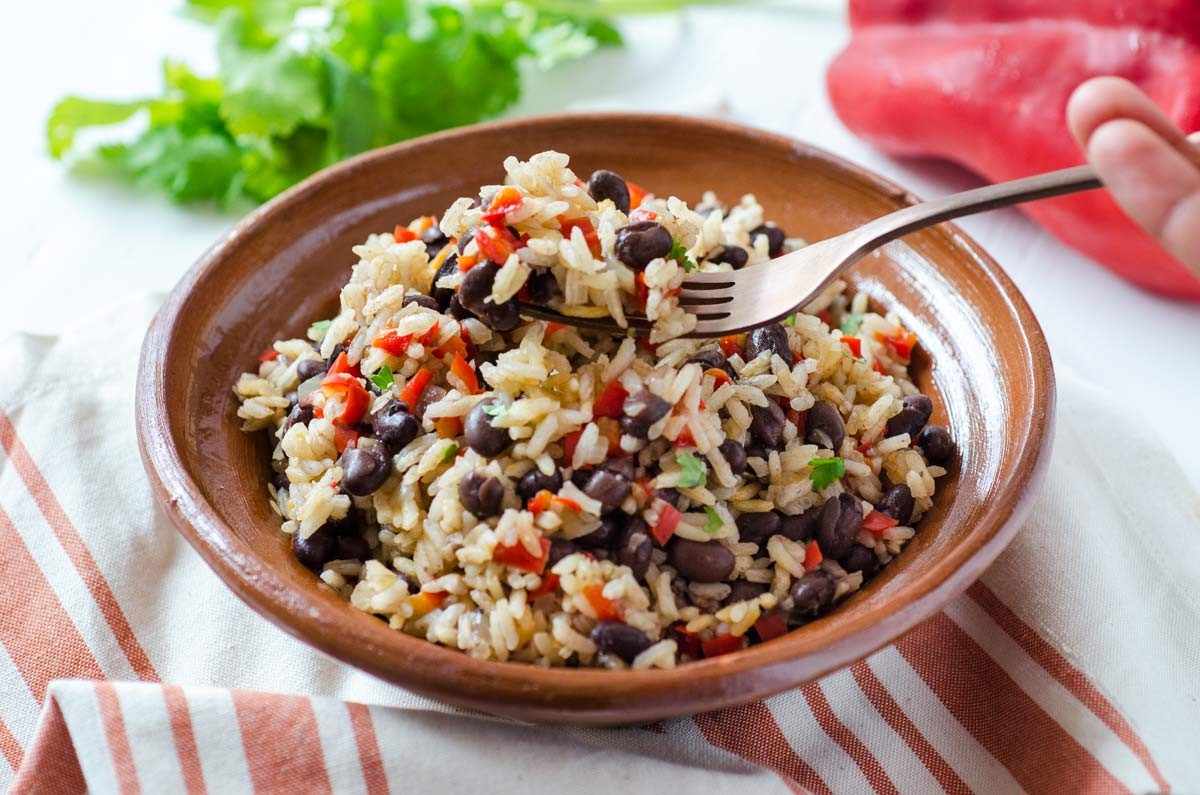
If one dish embodies the spirit of Costa Rica, it’s Gallo Pinto. This isn’t just breakfast, it’s a cultural cornerstone. At its heart, Gallo Pinto is a satisfying mix of day-old rice and black beans, sautéed with finely diced bell peppers, onions, and cilantro, all brought together by the distinctive tang of Lizano sauce. It’s often served with eggs, warm corn tortillas, a dollop of sour cream known as natilla, and slices of fried sweet plantains. Each household and restaurant has its own slight variation, making every plate a small discovery.
The Perfect Lunch Plate: Unpacking the Casado
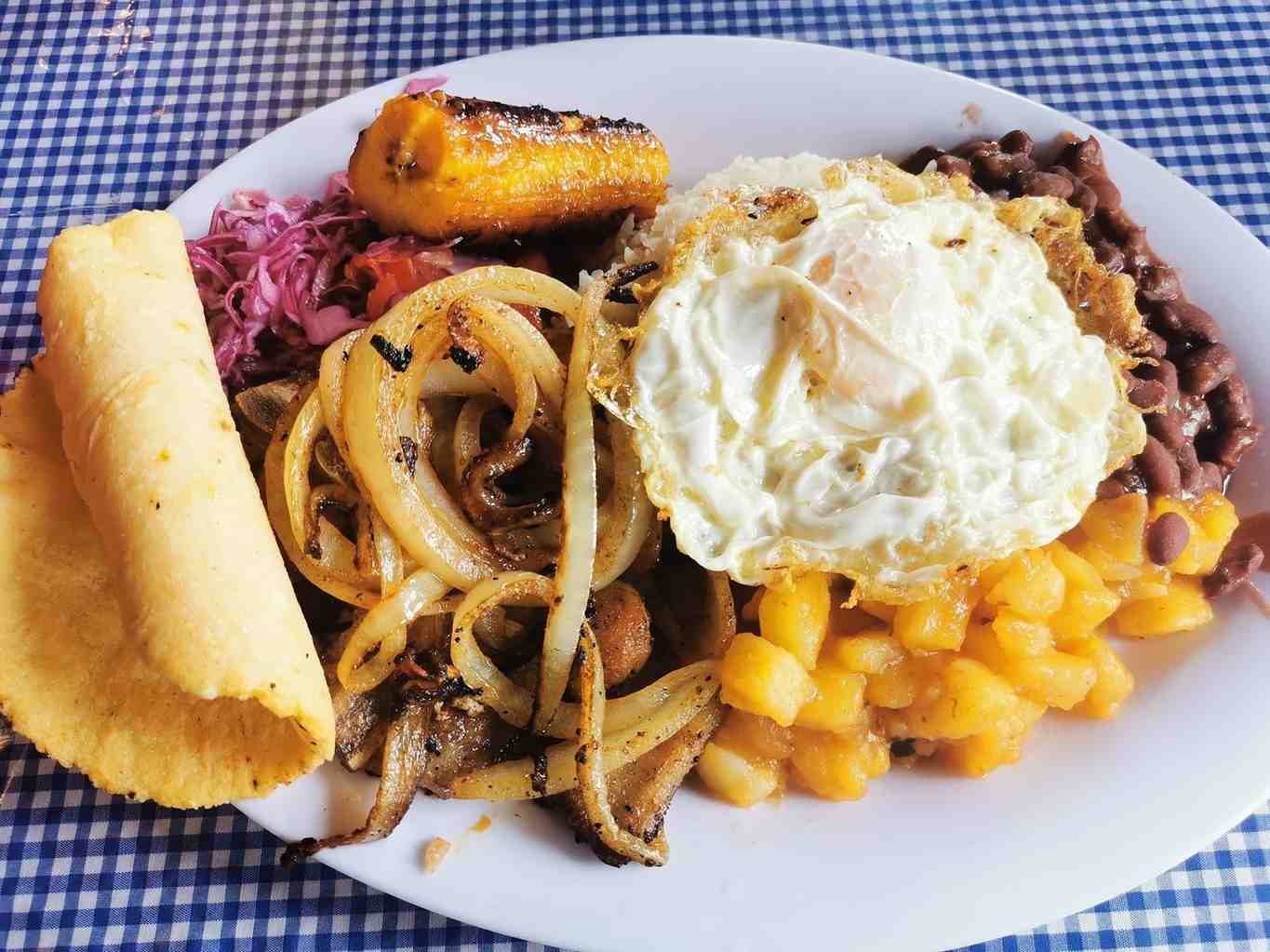
As midday approaches, the Casado takes center stage. The name literally means “married,” referring to the marriage of diverse foods on one plate. This beautifully balanced and incredibly satisfying meal is designed to fuel your afternoon. A typical Casado features white rice, black beans, a protein of your choice (often grilled fish, chicken, or beef), a fresh salad, and fried sweet plantains. Sometimes a fried egg or a savory vegetable hash called picadillo also makes an appearance. It’s a complete, wholesome, and incredibly flavorful experience.
Hearty Soups: Sopa Negra and Olla de Carne
When a comforting, nourishing meal is in order, Costa Rican soups shine.
- Sopa Negra: This rich, savory black bean soup is a simple yet flavorful dish, often garnished with a hard-boiled egg and a side of white rice.
- Olla de Carne: A hearty beef and vegetable stew, this is a meal in itself. It is packed with large chunks of beef, potatoes, carrots, corn on the cob, yuca, and plantains.
Savory Snacks: Chifrijo and Patacones
For lighter bites or shared platters, look no further than these addictive snacks.
- Chifrijo: A popular bar food, Chifrijo is a delightful layering of rice, tender beans, fried pork (chicharrón), and fresh tomato salsa (pico de gallo), often topped with avocado and served with tortilla chips.
- Patacones: These are crispy, savory fried green plantains. They are sliced, smashed flat, and twice-fried to golden perfection, then served with refried beans or guacamole for dipping.
Sweet Endings and Refreshing Drinks
No meal is complete without something sweet or a refreshing beverage. Tres Leches Cake, a sponge cake soaked in three kinds of milk, and Arroz con Leche, a creamy rice pudding, are popular desserts. To drink, be sure to try frescos or naturales, which are fresh fruit drinks made from tropical fruits like mora (blackberry), cas (sour guava), or guanabana (soursop).
Savoring the Gold Coast: A Guide to Local Flavors
Living on the Gold Coast means unparalleled access to the bounty of the Pacific Ocean. Seafood here is not just fresh, it’s often caught the same day. Look for Pargo Entero (whole fried red snapper) or fresh, zesty Ceviche. This is a delicious way to connect with the local environment and the active, ocean-centric lifestyle in places like Tamarindo and Playa Flamingo.
Where to Find Authentic Food in Guanacaste
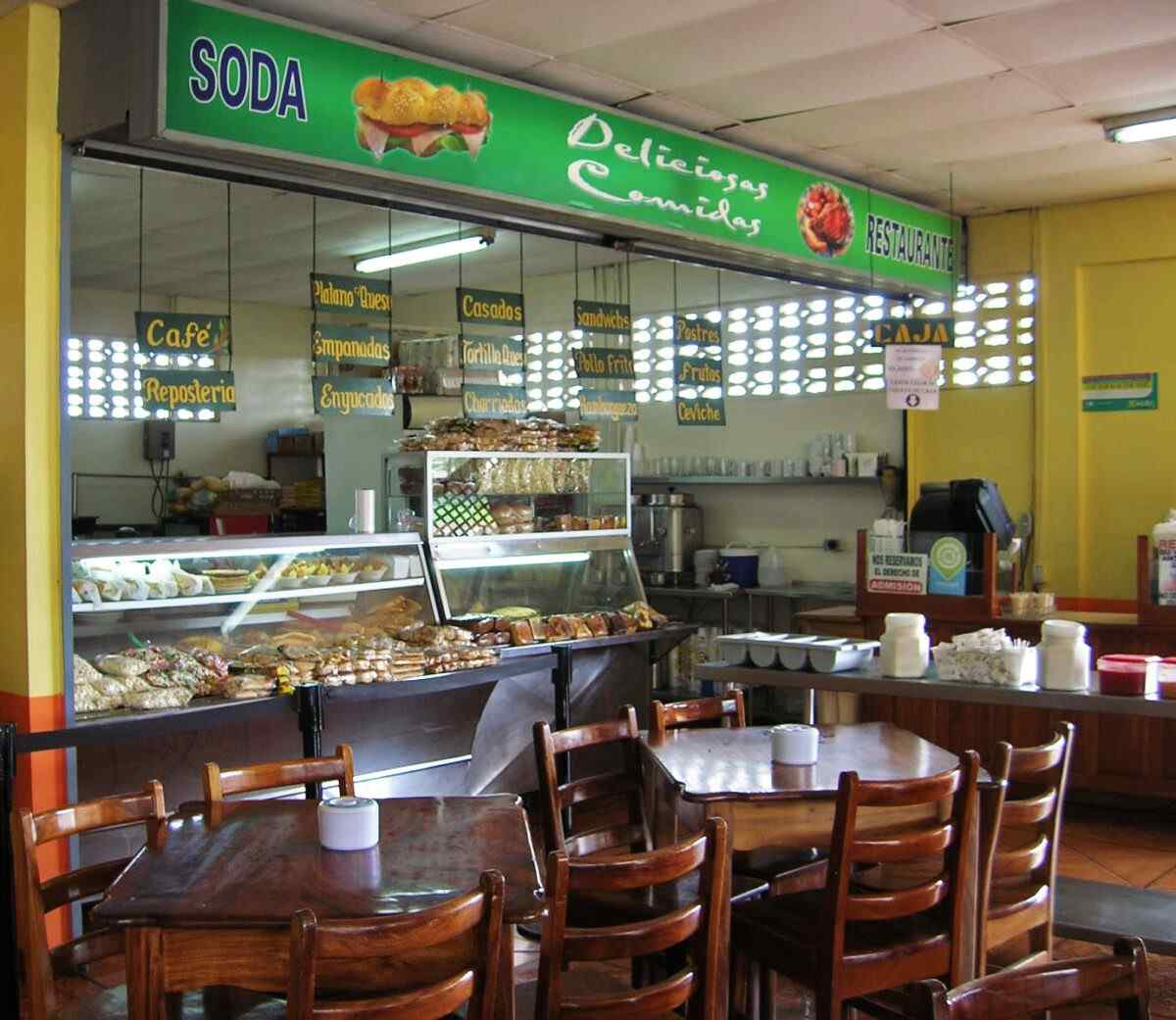
To find the true heart of Costa Rican cuisine, head to the local sodas and ferias (farmers markets). A soda is our version of a charming, family-run diner, where grandmothers’ recipes come to life. The feria is a vibrant explosion of color and flavor, where you’ll find an incredible array of fresh produce, local cheeses, and handmade treats. The Guanacaste region is also famous for its corn-based dishes, like sweet corn pancakes (chorreadas) and tamales steamed in banana leaves.
Tips for Ordering Like a Local
- Embrace the Casado: It’s your go-to for a complete, balanced lunch. Simply say, “Un casado de pollo, por favor” (a chicken casado, please).
- Don’t Rush: Dining here is a relaxed, social affair. Take your time, enjoy your company, and soak in the Pura Vida atmosphere.
- Ask for Recommendations: If you’re unsure, ask your server what they recommend or what’s freshest that day.
- Be Adventurous: Try a new fruit juice or a local dessert. Your taste buds will thank you.
For over two decades, our team has been more than just helping people find their dream homes on the Gold Coast. We’ve been living the dream right alongside them. We’ve learned which fruit is in season, where to find the best mangoes, and the perfect spot for a sunset casado overlooking the Pacific. We believe that this journey toward making Costa Rica your home begins with a shared meal and a curious palate. It’s how you stop being a visitor and start becoming a part of the community, one delicious bite at a time.
Frequently Asked Questions
What is the most famous traditional Costa Rican food? Gallo Pinto is arguably the most famous and essential dish, serving as the national breakfast. The Casado, a complete lunch plate with rice, beans, a protein, and sides, is equally iconic and representative of daily Costa Rican meals.
Is Costa Rican food spicy? Generally, no. Costa Rican cuisine focuses on fresh, savory flavors rather than heat. While you might find homemade hot sauces on the table, the food itself is mild. The popular Lizano sauce adds a savory, tangy flavor, not spiciness.
What is a ‘soda’ in Costa Rica? In Costa Rica, a soda is a small, typically family-run restaurant that serves affordable and authentic comida típica. They are the best places to experience genuine home-style cooking and local culture.
What should I drink with my meal in Costa Rica? You must try the “frescos” or “naturales,” which are refreshing drinks made from fresh fruits like blackberry (mora), pineapple (piña), or soursop (guanabana). Of course, a cup of world-renowned Costa Rican coffee is also a perfect choice, especially in the morning or afternoon.