

Who Can Own Property in Costa Rica? A Clear Guide for Foreign Buyers

A Direct Answer to Your Most Important Question
Let’s start with the question that’s most likely on your mind: can foreigners own property in Costa Rica? The answer is an encouraging and definite yes. Not only can you own property, but you can do so with the exact same rights and protections as a Costa Rican citizen. This isn’t a special program or a temporary loophole. It’s a fundamental principle woven into the country’s welcoming legal system.
This open-door policy creates a wonderful reality for anyone dreaming of a life or investment here. Whether you envision a tranquil retirement home overlooking the Pacific, a vibrant vacation rental, or a strategic land purchase, the path to ownership is clear. Costa Rica welcomes foreign investment and understands the value it brings to the economy and local communities.
We know that navigating a foreign legal system can feel intimidating. Many of our clients initially share concerns about security, hidden rules, or potential hurdles. It’s important to know that Costa Rica’s established legal framework and its national property registry are designed to offer powerful protection to all property owners, regardless of their nationality. Your investment is treated with the same respect and legal standing as any local transaction, providing a profound sense of security.
This isn’t just theory for us, it’s our daily practice. Since 2006, we have proudly guided countless international buyers through the process of securing their piece of paradise here on the Gold Coast. Our commitment is to demystify every step, turning what might seem complex into a transparent and straightforward journey. Your dream of buying land in Costa Rica as a foreigner should be an exciting adventure, not a source of anxiety.
Your Equal Footing: Understanding Foreign Property Ownership in Costa Rica
The cornerstone of the Costa Rica real estate laws for foreigners is the principle of equality. This means a foreign individual or company holds the identical property rights as a Costa Rican citizen. There are no special taxes, no extra restrictions, and no limitations on how you can use, sell, or bequeath your property, as long as you are within local zoning laws. Your nationality simply does not impact your right to own land.
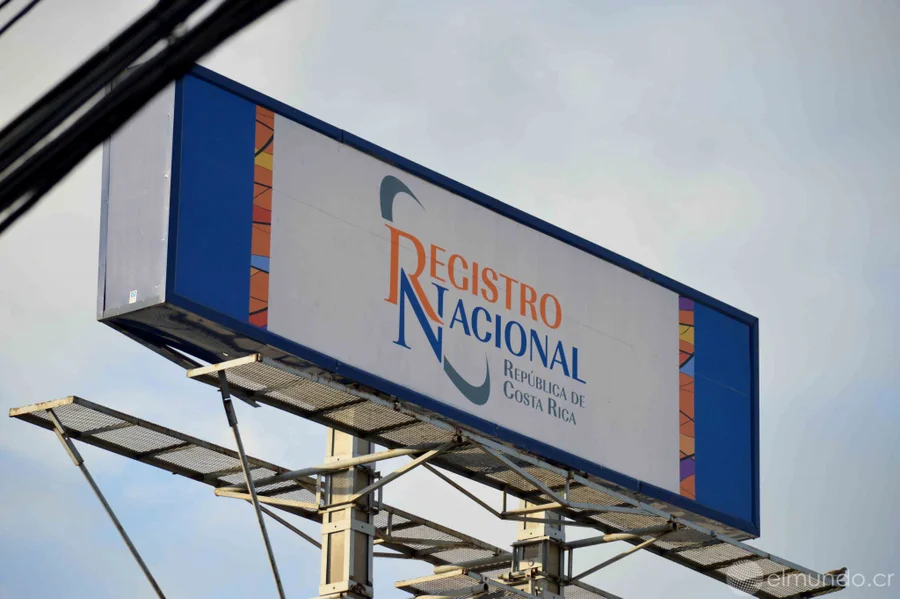
This right is protected by a robust legal system. The nation’s Constitution guarantees the right to private property, and the Civil Code outlines the specifics of real estate transactions. Perhaps the most critical component for your security is the centralized National Registry, or Registro Nacional. This transparent public registry acts as the definitive record of ownership for all titled properties, securing your investment under the full force of Costa Rican law.
The Registro Nacional is the ultimate guardian of property rights in Costa Rica. Think of it as a public database where every piece of titled land is meticulously recorded. Each property has a unique identification number, which details its precise boundaries, ownership history, and any burdens like mortgages or liens. When you purchase property, your ownership is recorded here, making it a matter of public record and providing legally binding proof of title.
It is vital, however, to understand the different types of property available.
- Titled Property (Propiedad Titulada): This is the gold standard of ownership. It means the property has a clear, registered title in the National Registry, confirming your absolute ownership. This is what you should always aim to purchase for the highest level of security.
- Concession Property (Propiedad en Concesión): This is a long-term lease granted by the government to use specific land, almost always within the protected Maritime Zone along the coast. While valuable, it is a right-to-use, not absolute ownership, and comes with specific regulations.
Our expertise lies in ensuring you acquire fully titled property. We meticulously review all documentation to guarantee that what you are buying provides you with the highest level of security and peace of mind.
Securing Your Investment: Smart Strategies for Holding Title
When you purchase property in a new country, one of the first questions is, “How will I hold the title to my new home?” In Costa Rica, you have two primary options, and understanding them is key to a secure investment.
Direct Ownership: The Simple Approach
Direct ownership means exactly what it sounds like: you, as an individual, hold the title to the property in your personal name. This is often the simplest and most straightforward route, particularly for a home where you intend to live full-time. For many buyers new to international real estate, this approach feels the most comfortable due to its simplicity.
Holding Title Through a Corporation
A highly common and often recommended strategy for foreign property buyers is to hold title through a Costa Rican corporation, typically a Sociedad Anónima, or S.A. This is not about hiding anything, but rather about providing significant legal protection and simplifying future processes. The benefits are compelling:
- Liability Protection: The corporation acts as a separate legal entity, shielding your other personal assets from potential liabilities associated with the property.
- Easier Transfer: If you sell the property in the future, you can often do so by transferring the shares of the corporation. This can simplify the transaction and may reduce transfer costs.
- Estate Planning: Corporate ownership can make inheritance much simpler for your heirs, as transferring company shares is typically easier than settling a foreign estate.
- Business Flexibility: If you plan to rent your property or hold multiple assets, the corporate structure provides a clean framework for managing these activities.
Setting up and maintaining a corporation requires proper legal guidance to handle registration, annual filings, and compliance. These responsibilities are precisely why partnering with a seasoned team, including a trusted attorney, is invaluable. We ensure your corporation is established correctly and remains in good standing, so you can enjoy the benefits without navigating unfamiliar legal waters.
The Role of Your Notary Public
In Costa Rica, a Notary Public, or notario público, is a licensed attorney with special state authority to handle real estate transactions. They are not merely witnesses. They are legally responsible for the entire transfer process.
Your notary is central to your purchase. They will draft the official deed, verify the property’s title in the National Registry, collect and pay all transfer taxes, and officially register the new title in your name, making your ownership legally recognized. Choosing a reputable, bilingual notary, often recommended by your real estate advisor, is essential for a smooth and secure closing.
Understanding Due Diligence
The most critical step in securing your investment is thorough due diligence. This comprehensive investigation safeguards you from unforeseen issues down the line. Effective due diligence involves a meticulous review of the property’s title, survey, zoning laws, environmental regulations, and tax status. This is not something you should ever do alone. A dedicated local expert team, working with your notary, will conduct this investigation on your behalf, giving you complete peace of mind.
From Intimidation to Confidence: Your Guide to a Seamless Purchase
Understanding that foreigners have equal property rights is an important first step. However, turning that knowledge into a secure purchase is about having an experienced local partner by your side. While the law guarantees your rights, our nearly two decades of experience are what truly transform your foreign ownership dreams into a safe reality.
The internet is great for inspiration, but it can’t replace deep local expertise. Online information is often outdated, regionally inaccurate, or simply lacks the nuance required for a major investment. Every real estate market has unwritten rules and local customs, and understanding them is critical for a successful transaction. We help you navigate not only the legal landscape but also the cultural one.
Our role is to be your advocate, protecting your interests at every stage. We handle skilled negotiation on your behalf, anticipate potential challenges, and proactively work to resolve them. Since 2006, we have proudly assisted hundreds of families from around the globe in successfully purchasing property in the Guanacaste region. We don’t just facilitate transactions. We build relationships founded on trust, transparency, and a genuine passion for this incredible part of the world.
Our ultimate mission is to transform any initial intimidation into a profound sense of confidence and excitement. We do this by providing clear communication, expert guidance, and unwavering support. Consider us your trusted partners, dedicated to making your Costa Rican property dream a secure and rewarding reality.
Key Takeaways for Your Purchase
As you begin this exciting journey, keep these essential points in mind:
- Equal Rights are Your Foundation: Rest assured, your property ownership rights are fully protected under Costa Rican law.
- Local Expertise is Non-Negotiable: Partnering with an experienced local real estate expert is the single most important step you can take.
- Due Diligence is Paramount: Ensure your expert team facilitates a comprehensive legal and physical review of any property you consider.
- Embrace the Process: With the right guidance, the path to ownership is both efficient and secure.
If the vision of owning property in Costa Rica resonates with you, your next step is a simple one: start a conversation. It’s an opportunity to ask questions, share your dreams, and explore the possibilities with someone who truly understands the landscape. We are here to listen, to guide, and to provide the clarity you need to take that first exciting step.
Frequently Asked Questions
Do I need to be a resident to own property in Costa Rica? No, you do not need to be a resident to buy property. Foreigners can purchase and own real estate in Costa Rica without having residency status. Many of our clients buy property long before they consider applying for residency.
Can foreigners own beachfront property in Costa Rica? Yes, but it’s important to understand the specifics. Most land directly on the coast falls within a protected Maritime Zone and is held as a long-term lease from the government, known as concession property. Foreigners can hold these concessions, though specific rules may apply. Just beyond this zone, you can find fully titled land, which you can own outright with the same rights as a citizen.

Are property taxes for foreigners different than for locals? No. Property taxes and transfer fees are applied uniformly to all owners, regardless of their nationality. You will pay the same rates as a Costa Rican citizen.
Is the real estate process in Costa Rica safe for foreign buyers? Yes, when done correctly. Costa Rica has a secure and transparent public property registry (Registro Nacional) and strong foreign ownership laws. The key to a safe transaction is performing thorough due diligence with the help of a reputable local real estate professional and a qualified notary public.