

What Types of Monkeys Are in Guanacaste?
Your Guanacaste Welcome: More Than a Home, It’s a Living Jungle
Imagine waking not to an alarm, but to a sound that feels as ancient as the earth itself. This is the promise of Costa Rica’s Gold Coast, a place where the vibrant Pura Vida lifestyle isn’t just a saying, it’s a daily reality woven into the very fabric of the nature that surrounds you. When people ask us about life here, they often start with the house, the view, or the beach. But the real story, the one that captures the magic of owning a home in this paradise, often begins with a different question: what types of monkeys are in Guanacaste?
Knowing the answer is more than a fun fact. It’s your first glimpse into the truly immersive experience that awaits. Here, wildlife isn’t something you seek out on a tour, it’s your daily companion. Choosing a home on the Gold Coast is an investment in an unparalleled lifestyle, one where your property becomes a gateway to daily wonders. It’s about securing a place where your mornings are serenaded by the jungle and your afternoons might include a visit from a curious, furry neighbor.
Meet Your Loudest Neighbor: The Mantled Howler Monkey
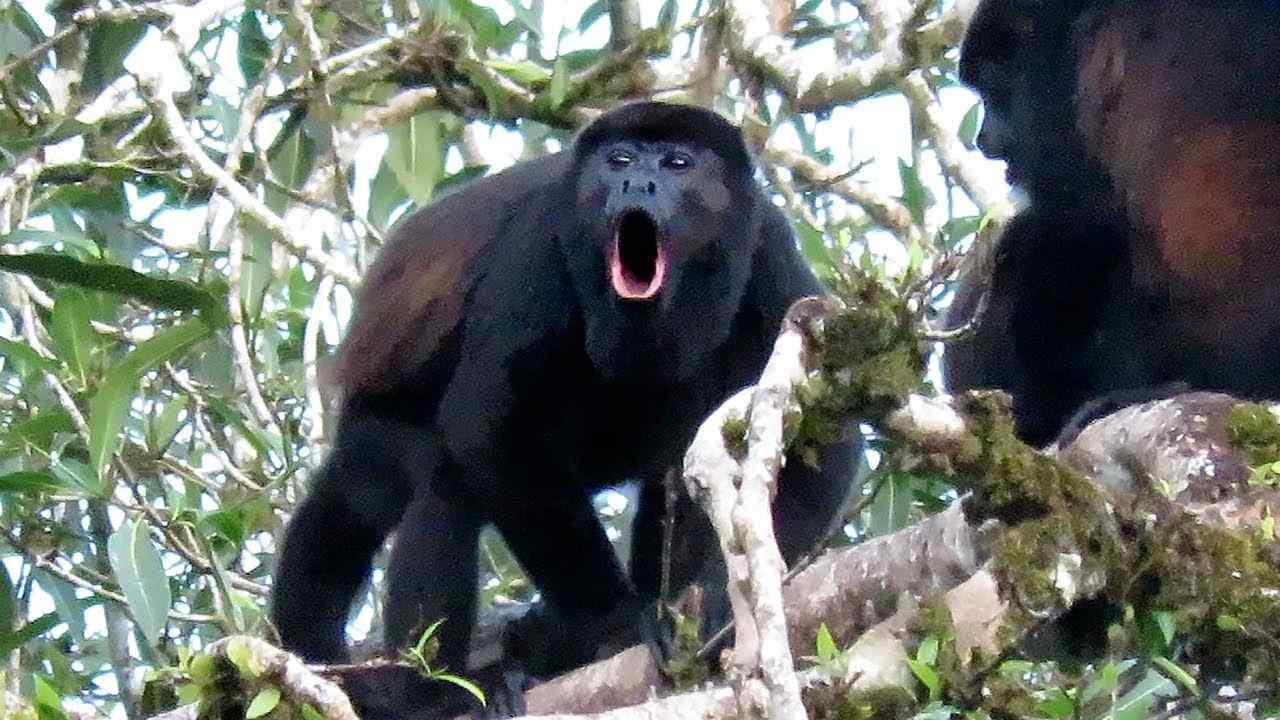
The Mantled Howler monkey is, without a doubt, the voice of Guanacaste. Their distinctive, deep calls resonate through the morning air, often surprising newcomers with their primal power. While their roars sound fierce, these are gentle creatures using their voices to communicate with their troop and mark their territory. For those of us who live here, their booming calls quickly become an iconic, comforting sound that signifies you are truly home.
These social monkeys live in groups of 10 to 20, spending their days moving slowly through the treetops. They are most active during the day, with periods of feeding on leaves and fruit followed by long, peaceful siestas. Watching a mother carry her young on her back as the troop navigates the branches is a fascinating glimpse into their calm, organized world.
Because they thrive in forests rich with fruit and leaves, their presence is a wonderful sign of a healthy ecosystem. Owning a property with mature Guanacaste, fig, or jobo trees not only provides shade and beauty but also creates an inviting habitat for these magnificent animals, making them a natural part of your extended backyard.
Many of us can recall our first encounter with the howlers’ morning serenade. At first, the sheer volume can be startling. Yet, over time, that surprise transforms into a deep appreciation. Their call becomes a unique, natural alarm clock, a powerful reminder of the vibrant life that surrounds you. You’ll find yourself stepping onto your balcony, coffee in hand, to watch them stir, feeling an unparalleled sense of belonging to this wild and wonderful place.
The Clever Companions: White-Faced Capuchins
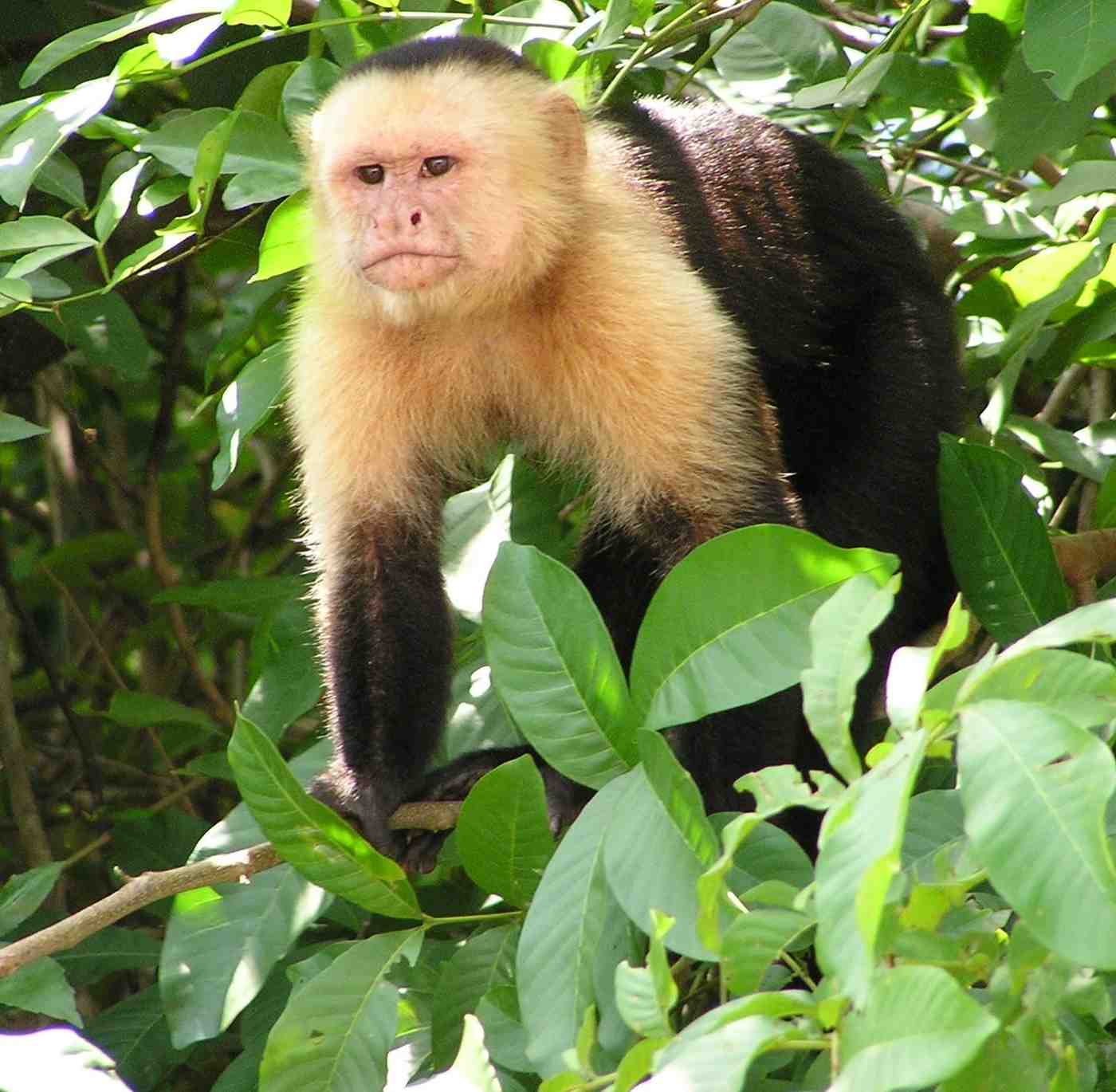
Your most frequent and curious backyard visitors will likely be the captivating White-Faced Capuchins. These intelligent primates are a hallmark of the Guanacaste landscape, and their presence transforms any property into a living stage for nature’s theater.
Renowned for their remarkable intelligence, watching them is a daily delight. You’ll witness an acrobatic display as they swing and leap through the canopy, and you might even see them using tools, like rocks to crack nuts or sticks to forage for insects. Their lively chatter and calls are a common sound in the dry tropical forest, adding a vibrant soundtrack to your day.
These omnivores play a crucial role in the health of the local ecosystem. As they forage for a varied diet of fruits, insects, and flowers, they disperse seeds, helping to maintain the biodiversity of the area. Seeing capuchins on your property is a clear sign of a thriving, healthy environment, an assurance that your home is part of a vibrant natural habitat.
The Elusive Acrobat: Geoffroy’s Spider Monkey
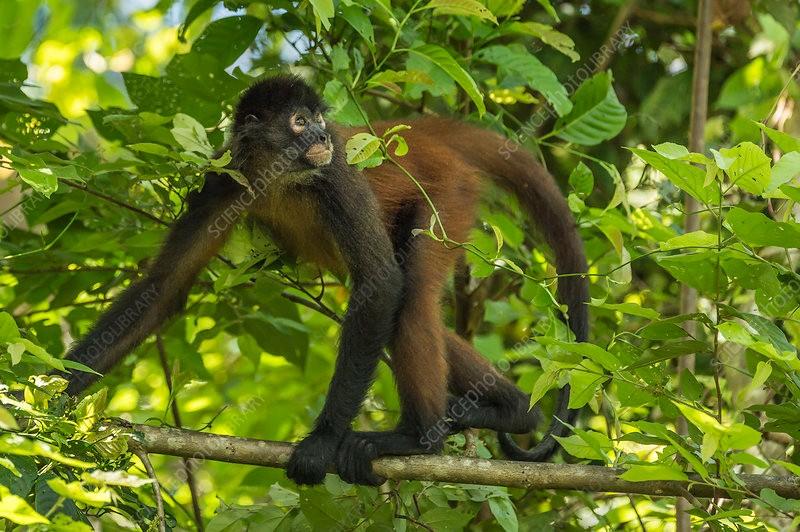
While capuchins are frequent guests, encountering Geoffroy’s Spider Monkeys offers a different kind of thrill. These graceful primates are a symbol of a pristine, undisturbed jungle, and spotting them feels like uncovering a hidden gem.
Aptly named for their long, slender limbs and prehensile tails that act as a fifth limb, they move through the high canopy with breathtaking agility. Their fluid motion is like a ballet in the treetops. Because they prefer undisturbed primary forests, they are a rarer sight than howlers or capuchins. Their elusive nature makes each sighting all the more special, a quiet reward for your patience.
Geoffroy’s Spider Monkeys are an endangered species, primarily due to habitat loss. Their presence in the forests of the Gold Coast highlights the importance of thoughtful development and wildlife conservation. By choosing to live here, you become a custodian of this precious biodiversity, contributing to the broader Pura Vida ethos of living in harmony with nature.
How to Live in Harmony with Your Primate Neighbors
Becoming a resident here means stepping into a world where your backyard is a front-row seat to nature’s theater. Knowing how to observe Guanacaste’s vibrant monkey populations responsibly will enrich your life in ways you can scarcely imagine.
Tips for Ethical Wildlife Viewing
- Best Times to Watch: The best times to spot monkeys are during the cooler parts of the day. Early mornings after sunrise and late afternoons are when they are most active, foraging and socializing.
- Where to Look: While you’ll often see them from your own property, areas with protected forests are hotspots. The Tamarindo estuary, the Papagayo Peninsula, and the green zones bordering communities like Flamingo and Conchal are excellent places for sightings.
- Respect Their Space: Always observe monkeys from a distance. If they show signs of alarm, you are too close. Never, ever feed them. Feeding wild animals disrupts their natural instincts and can make them sick or aggressive.
- Secure Your Home: Monkeys are incredibly smart. Ensure all your food is stored securely indoors and that trash bins have tight-fitting lids. This simple practice keeps both you and the monkeys safe.
Your Home, Your Sanctuary, Your Front-Row Seat
Choosing a home on the Gold Coast is about more than property lines, it’s about discovering a living space that feels like an extension of the vibrant world outside. It’s a joy to discover homes nestled into hillsides, offering panoramic views of both the Pacific and the lush jungle canopy. You’ll find yourself looking for balconies where you can comfortably observe nature, garden spaces designed with native plants, and properties bordered by natural green zones.
The daily presence of monkeys and other Costa Rica fauna is an unparalleled amenity that elevates the entire homeowner experience. It’s an investment in a lifestyle defined by tranquility, connection, and constant wonder. This direct, daily engagement with such incredible biodiversity fosters a profound sense of peace, reminding you daily of the Pura Vida philosophy. You are not just buying a house, you are investing in a life where the extraordinary is your ordinary, and the vibrant pulse of the wild is woven into the very fabric of your new existence.
Frequently Asked Questions
What types of monkeys are in Guanacaste? Guanacaste is home to three main types of monkeys. You will most commonly see the Mantled Howler Monkey, famous for its loud morning calls, and the intelligent, curious White-faced Capuchin. With a bit of luck, you may also spot the graceful and endangered Geoffroy’s Spider Monkey in more pristine forest areas.
When is the best time to see monkeys in Costa Rica? The best times of day for monkey sightings are in the early morning and late afternoon when they are most active. You can see them year-round, but they may be easier to spot during the dry season (December to April) when the trees are less dense and they congregate around remaining food and water sources.
Is it safe to live near monkeys in Guanacaste? Yes, it is very safe to live alongside monkeys. The key is to treat them as the wild animals they are. Never feed them, keep a respectful distance, and secure your food and trash. By following these simple guidelines, you can enjoy their presence without any issues, making them wonderful and fascinating neighbors.
Where can I see howler monkeys in Guanacaste? Howler monkeys are widespread throughout Guanacaste. You can often see and hear them from residential properties that are near forested areas. Specific locations known for reliable sightings include the Tamarindo estuary, the protected areas around the Papagayo Peninsula, and the natural green zones near communities like Playa Flamingo and Playa Conchal.