

Costa Rican Local Food: A True Taste of Pura Vida
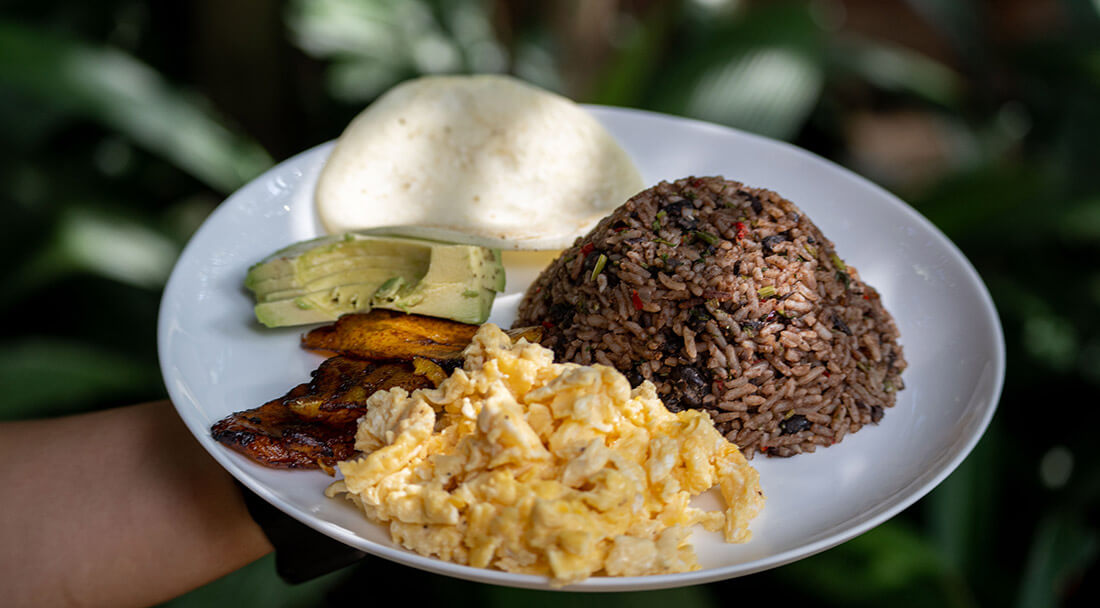
Costa Rican local food is at the heart of the Pura Vida lifestyle, shaping daily life through simple, fresh ingredients and shared meals. From hearty breakfasts to relaxed lunches at neighborhood sodas, food in Costa Rica is about nourishment, connection, and slowing down to enjoy life.
Your Culinary Journey to the Heart of Pura Vida
When you dream of a new life in Costa Rica, you’re likely picturing golden sunsets, lush rainforests, and the warm embrace of “Pura Vida.” But to truly feel that lifestyle, you need to taste it. The heart of Pura Vida isn’t just in the scenery, it’s in the food. Here, food is more than just sustenance. It’s a central pillar of community, family, and daily joy.
Imagine waking up to the rich aroma of freshly brewed Costa Rican coffee, a promise of the delicious, hearty breakfast to come. This isn’t a vacation fantasy. It’s the everyday reality of living here. Costa Rican cuisine is defined by its freshness, simplicity, and vibrant flavors, all sourced from our fertile soil and bountiful oceans. It’s food that nourishes your body and soul, perfectly complementing the relaxed, healthy life you’re seeking.
“Pura Vida” is all about appreciating life’s simple pleasures and connecting with those around you. Nowhere is this more evident than around the dining table or at a bustling local eatery, known as a “soda.” Eating local food means participating in this rhythm. It’s savoring a slow breakfast with loved ones and sharing stories over a home-cooked dinner. This is how you deepen your connection to the culture and community, offering a genuine taste of what it means to live like a Tico.
Many newcomers arrive thinking that traditional Costa Rican food is only rice and beans. While these staples are the foundation of many meals, our culinary landscape is rich, diverse, and full of delightful surprises. From succulent seafood to comforting stews and a rainbow of fresh fruits, a world of taste awaits.
What Are Some of the Best Local Dishes in Costa Rica?
Let’s dive into the delicious realities that power our days and bring our families together. These are the dishes that truly embody the spirit of Pura Vida.
The Undisputed King: Gallo Pinto
Often called the Costa Rica national dish, Gallo Pinto is more than just food. It’s a cultural icon and the culinary heartbeat of the country. This savory blend of rice and black beans, seasoned with onions, bell peppers, and fresh cilantro, is a breakfast staple. You’ll often find it seasoned with a splash of the famous Lizano sauce. Don’t be surprised to see it served for lunch or dinner, too. It’s incredibly satisfying and provides the perfect energy for a day of exploring the coast.
A plate of Gallo Pinto is typically served with:
- Fried or scrambled eggs
- Sour cream (natilla)
- Fried sweet plantains (plátano maduro)
- Slices of fresh avocado
- Local white cheese (queso fresco)
Your Go-To Lunch: The Casado
When lunchtime rolls around, the Casado is the quintessential Costa Rican meal, especially popular in sodas across the country. The word “casado” means “married man,” a nod to the complete and balanced plate a wife would prepare. Each plate offers a little taste of everything, typically including white rice, black beans, a protein, a fresh salad, and a side of fried plantains.
The beauty of the Casado is its variety. You can choose from proteins like grilled chicken, fried fish, or slow-cooked beef, and it often comes with sides like picadillos, which are finely diced vegetable and meat hashes. It’s a hearty, satisfying meal that represents incredible value and showcases the best of local home cooking.
The Secret Ingredient: Salsa Lizano
Spend any time eating here, and you’ll quickly discover a bottle of Salsa Lizano on nearly every table. This isn’t just a condiment, it’s a national obsession. Salsa Lizano is a mild, tangy, and slightly sweet vegetable sauce with notes of cumin and other spices. It adds a unique depth of flavor to Gallo Pinto, enhances a Casado, and is even used as a marinade for meats. Once you try it, you’ll understand why Ticos can’t live without it.
What to Eat in Guanacaste: Savoring a Distinctive Identity
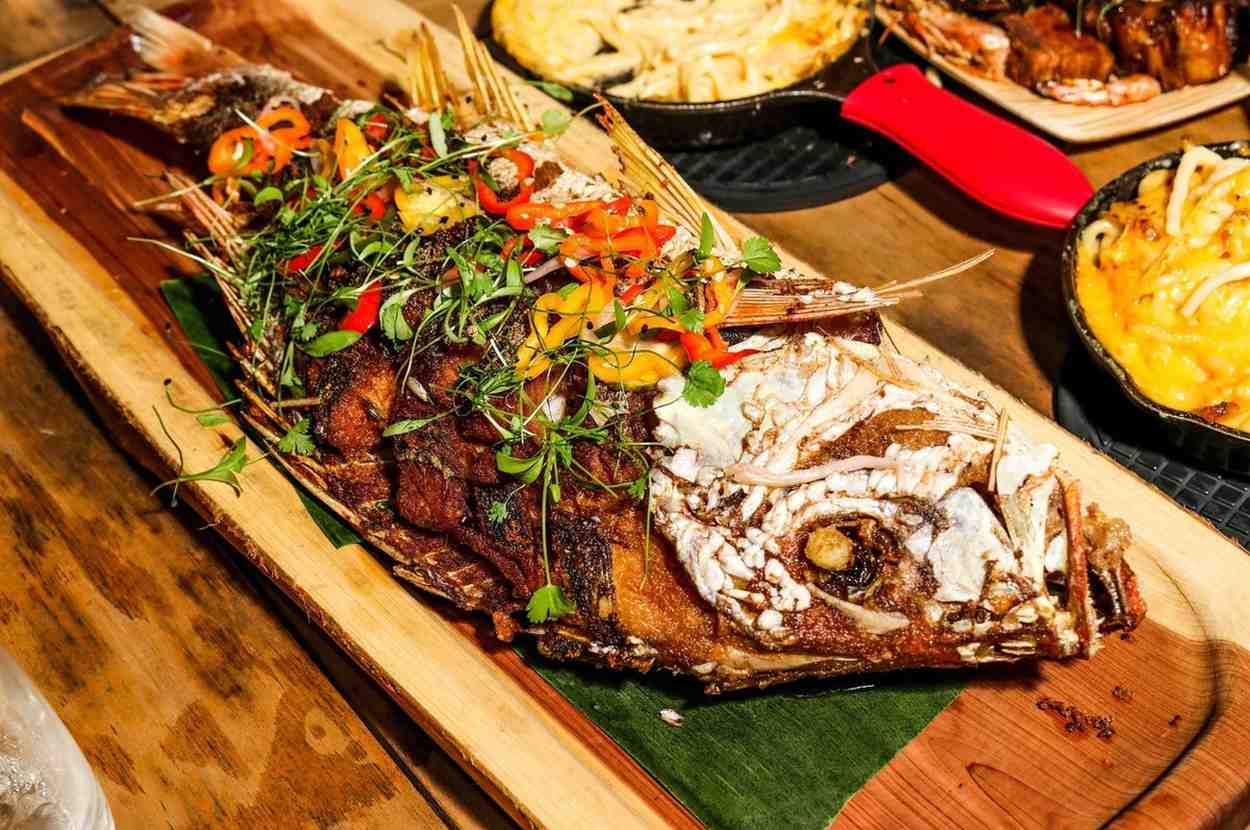
The flavor of Guanacaste, especially along its stunning Gold Coast, is a vibrant tapestry woven from the bounty of both the Pacific and the fertile plains. Eating here isn’t just about satisfying hunger, it’s an immersion into the very soul of the region.
Coastal Delights
Living on the Gold Coast means the day’s catch is always just a short boat ride away. Our coastal towns like Tamarindo, Flamingo, and Playas del Coco are renowned for incredible seafood, often prepared simply to let the natural flavors shine. You’ll find everything from succulent whole fried red snapper (pargo entero) to vibrant, refreshing ceviche. My personal favorite is a hearty Sopa de Mariscos. This rich seafood soup is brimming with shrimp, clams, and chunks of white fish, and is often served with a side of warm tortillas. It’s the perfect end to a day spent by the ocean.
Hearty Guanacastecan Staples
Beyond the shore, Guanacaste’s ranching and farming heritage has produced robust, comforting dishes.
- Olla de Carne: A rich, savory beef stew packed with large chunks of root vegetables like yuca, taro root, and potatoes, simmered until incredibly tender. It’s a labor of love often reserved for family gatherings.
- Chorreadas: Thin corn pancakes, often served with a dollop of natilla. They offer a delightful blend of sweet and savory that speaks to the agricultural heart of Guanacaste.
Popular Appetizers and Snacks
Costa Rica has a wonderful array of appetizers, or “bocas,” perfect for sharing over a cold drink.
- Patacones: Thick slices of green plantain, twice-fried until golden and crispy, usually served with a side of refried beans or pico de gallo (a fresh tomato salsa).
- Chifrijo: A beloved bar snack, this dish combines crispy fried pork (chicharrón), rice, beans, and pico de gallo in a single bowl, often topped with avocado and served with tortilla chips for scooping.
Sweet Endings and Street Food Wonders
The culinary journey in Costa Rica extends far beyond the main course. It delves into our daily coffee rituals, indulgent desserts, and the spirited spontaneity of street food.
Traditional Desserts and Treats
Costa Ricans have a soft spot for sweets, often crafted from simple, wholesome ingredients. Be sure to try:
- Arroz con Leche: A creamy, comforting rice pudding spiced with cinnamon.
- Tres Leches: A wonderfully moist sponge cake soaked in three kinds of milk.
- Flan: A silky-smooth caramel custard that melts in your mouth.
Toasting to Pura Vida
No culinary journey is complete without exploring the local beverages.
- Frescos Naturales: These fresh fruit drinks are a must. Made with ripe tropical fruits like mango, papaya, or sour guava (cas) blended with water or milk, they are incredibly refreshing.
- Imperial Beer: The quintessential Costa Rican beer. A crisp, light Imperial is often synonymous with relaxing on the beach with friends. It’s the taste of Pura Vida in a bottle.
How to Eat Like a Local
To truly immerse yourself in the local flavors, your journey must lead you to the right places.
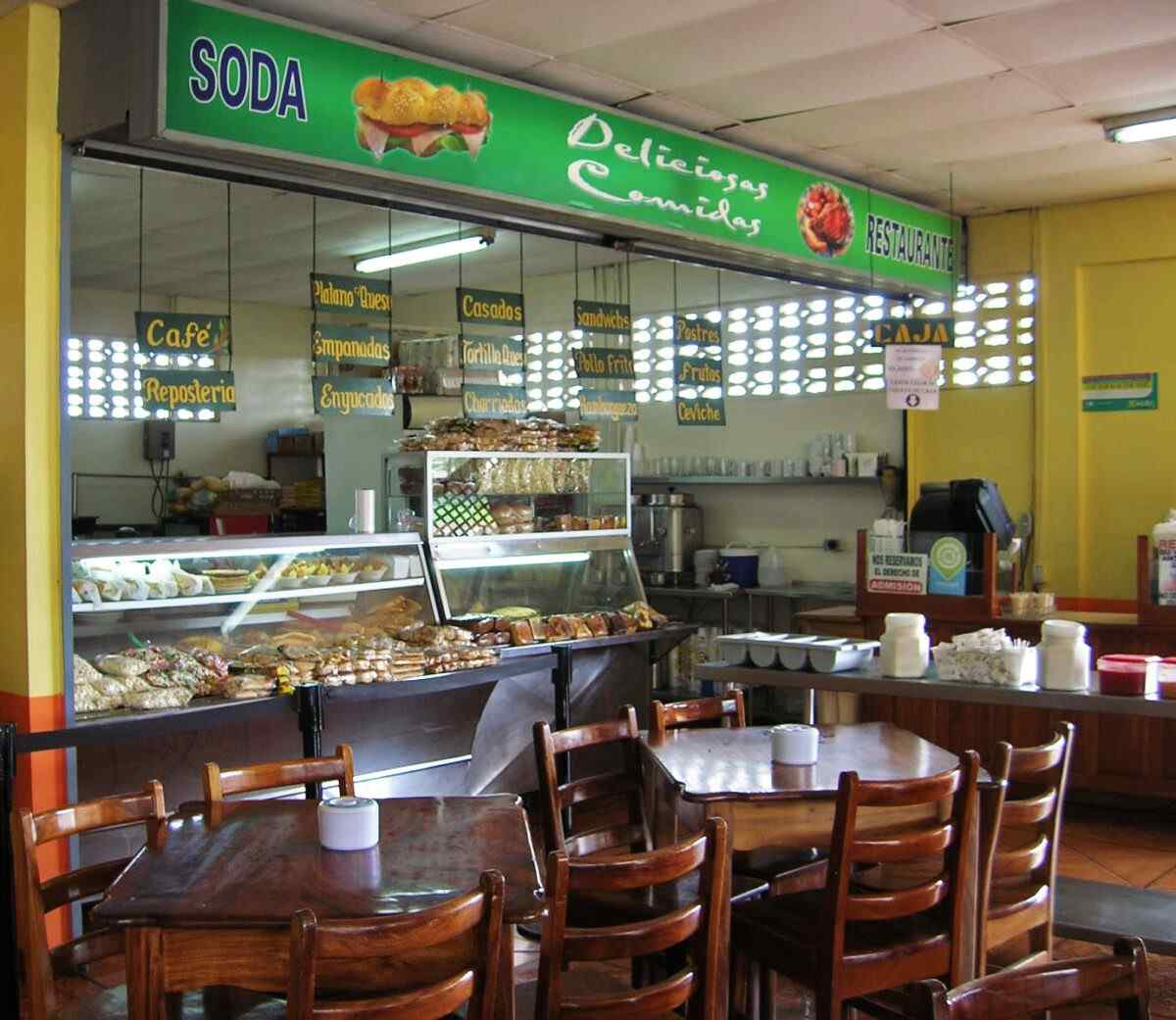
The heart of local cuisine is the soda, a small, family-run restaurant serving traditional, home-cooked Tico meals at affordable prices. Stepping into a soda feels like walking into a friend’s dining room. The atmosphere is unpretentious, and the food reflects the genuine simplicity of the Pura Vida lifestyle. If a place is packed with locals, especially during lunchtime, you’ve likely found a winner.
Another key to understanding Tico cooking is the weekly “feria,” or farmer’s market. These vibrant gatherings are a feast for the senses, brimming with the freshest produce, homemade cheeses, and local artisan goods. Spending a Saturday morning at the feria is a cherished local tradition and a direct connection to the ingredients you’ll come to love.
Your Invitation to a Delicious Life in Costa Rica
The simple joy found in a plate of Gallo Pinto, the warmth of a shared Casado, or the refreshing sweetness of a fresh tropical fruit, these are not just meals. They are invitations to slow down, connect, and truly live the Pura Vida lifestyle you’ve been dreaming of. This authentic taste of Costa Rica is a daily reminder that happiness is found in simplicity and community.
Embracing the local cuisine is your ticket to understanding your new home. When you savor a meal prepared with local ingredients, you’re tasting the sun, the soil, and the care of the people who call this place home. At our brokerage, we believe finding your perfect home in paradise means discovering its flavors, too. We’re not just here to help you with property listings, we’re here to introduce you to the true essence of living in Costa Rica. Let us guide you to your ideal piece of paradise, where delicious food and a vibrant community are always on the menu.
Frequently Asked Questions
What is the national dish of Costa Rica? The undisputed national dish is Gallo Pinto. It’s a flavorful mixture of pre-cooked rice and black beans, seasoned with cilantro, onions, and bell peppers. While traditionally a breakfast dish, it is enjoyed at any time of day.
What is a “soda” in Costa Rica? A “soda” is a small, family-owned local restaurant. They are the best places to find authentic, home-cooked traditional Costa Rican food, like a Casado, at very reasonable prices. They offer a genuine, unpretentious dining experience.
Besides rice and beans, what is traditional Costa Rican food like? Traditional Costa Rican food is diverse and focuses on fresh, simple ingredients. You’ll find hearty beef stews (Olla de Carne), an abundance of fresh seafood on the coasts (like ceviche and fried snapper), various appetizers called “bocas” (like Patacones and Chifrijo), and a wide variety of tropical fruits and vegetables.
What is Salsa Lizano? Salsa Lizano is a beloved national condiment. It’s a thin, brownish, slightly sweet and tangy vegetable-based sauce with notes of cumin and spices. It’s used to add a unique depth of flavor to everything from Gallo Pinto to meats and soups. You will find it on almost every restaurant table in the country.