

Understanding Costa Rica’s Electrical Standards
While knowing your devices will plug in and power on is a fantastic start, a deeper understanding of Costa Rica’s electrical standards can offer even greater peace of mind. This isn’t just about technical jargon. It is about appreciating why things work the way they do, and how this knowledge truly benefits you as a resident or long-term visitor.
Costa Rica Voltage vs US: The Familiar 120-Volt Standard
One of the most reassuring facts for anyone relocating from North America is that Costa Rica operates on a 120-volt system. This is identical to the standard voltage found throughout the United States. What this means for you is straightforward. Your laptops, phone chargers, kitchen appliances, and other household electronics designed for US outlets will function perfectly here without needing a voltage converter. This direct compatibility eliminates a common hassle for expatriates and makes transitioning your everyday life much simpler.
Frequency Matters: Why 60Hz Keeps Your Devices Happy
Beyond voltage, another critical factor is electrical frequency, measured in Hertz (Hz). This refers to the number of times the current alternates direction per second. Just like the US, Costa Rica’s electrical grid operates at 60Hz.
- Device Compatibility: This 60Hz frequency is essential for the correct operation of many electronics, particularly those with motors or sensitive timing mechanisms, such as microwave ovens, blenders, and digital clocks.
- Smooth Operation: When the frequency matches, your devices run efficiently, prolonging their lifespan and ensuring consistent performance. Without this match, items could run slower, faster, or even suffer damage over time.
The 60Hz standard perfectly complements the 120-volt system, ensuring a seamless experience for your US-compatible electronics.
Plug Types: The Ubiquitous Type A and Type B Connections
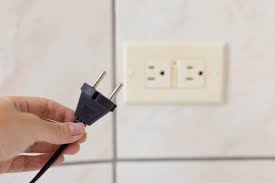
When you look at the outlets in Costa Rica, you will find them immediately recognizable. The country predominantly uses Type A plug and Type B plug electrical outlets.
- Type A: This is the ungrounded plug with two flat parallel pins. It is commonly used for smaller appliances and electronics that do not require a ground connection.
- Type B: This plug adds a third, round pin for grounding, alongside the two flat parallel pins. It is the standard for most household appliances and electronics that benefit from or require a ground connection for safety.
Both Type A and Type B plugs are identical to those used in North America. This means you will not need to purchase any adapters for your US-bought devices. Simply plug them in, and you are good to go. The availability of grounded Type B outlets in most modern homes and buildings also provides an added layer of safety for your electronics.
The History Behind the Compatibility: A Look at ICE and Infrastructure
This convenient compatibility with US electrical standards is not a happy accident. It is a legacy of strategic infrastructure development. The Instituto Costarricense de Electricidad (ICE), the national energy company, has played a pivotal role since its inception in 1949.
- Early Adoption: In the mid-20th century, as Costa Rica developed its electrical grid, aligning with North American standards for voltage, frequency, and plug types made practical sense. This facilitated easier procurement of equipment, expertise, and technology from its larger northern neighbor.
- Unified System: ICE has been responsible for the generation, transmission, and distribution of electricity throughout Costa Rica. This centralized control allowed for the establishment and maintenance of a consistent, unified electrical system across the country.
- Robust Foundation: The long-standing adoption of these standards means the underlying infrastructure is built around them. While localized power fluctuations can occur, the fundamental system is designed to support 120V/60Hz, providing a stable foundation for residents and businesses alike.
Understanding this history confirms that the electrical compatibility you experience is a well-established and deeply integrated aspect of Costa Rican infrastructure, offering a solid basis for powering your life here.
Power Adapter for Costa Rica: What Every Investor Needs to Know
The Short Answer: No Power Adapter Needed for US Devices
Let us address one of the most common questions right off the bat, especially for our friends from North America: are outlets in Costa Rica the same as the US? If you are coming from the United States, Canada, or Mexico, you will be pleased to know that Costa Rica uses the exact same electrical outlets as you do. This means your two-prong or three-prong plugs will fit perfectly into the wall sockets here. The voltage in Costa Rica is also quite similar, typically 120V with a frequency of 60Hz, matching what you are used to. So, for the vast majority of your devices, no power adapter is needed.
Rare Exceptions: When You Might Encounter Different Plugs
While the standard is consistently North American, there are very rare instances where you might encounter something different. In some older, more rustic homes, or perhaps in an industrial setting, you could theoretically find a different type of outlet. However, for modern homes, hotels, or rental properties that a foreign visitor or investor would typically encounter, you can rely on the standard US-style outlets. These exceptions are truly few and far between and should not be a primary concern for most travelers.
International Devices: Assessing Compatibility Beyond US Standards
If you are traveling from outside North America, or own devices purchased in Europe, Asia, or other regions, you will need to approach things a little differently. Many international devices operate on 220-240V and use various plug shapes (like the Type C, F, or G commonly found in Europe).
Here is how to assess compatibility for your international devices:
- Check the Label: Always look at your device’s power adapter or label. It will often state “Input: 100-240V, 50/60Hz”.
- Dual-Voltage Devices: If your device shows the 100-240V range, it is considered dual-voltage. This is great news, as it means the device can handle the Costa Rican voltage without a problem. You will only need a physical plug adapter to change the shape of your device’s prongs to fit the North American-style outlet.
- Single-Voltage Devices: If your device only lists a single voltage (e.g., “Input: 220V”), then you will need a step-down voltage converter in addition to a plug adapter. Using a single-voltage 220V device directly in a 120V Costa Rican outlet could damage the device or prevent it from working properly.
Practical Advice for Packing Your Electronics for Costa Rica
With this in mind, here is some practical advice for preparing your electronics:
- For US Travelers: Bring your devices and their regular chargers. No special adapters or converters are generally needed for the outlets themselves.
- For Non-US Travelers: Pack a universal travel adapter that includes the North American plug type (Type A/B). If any of your essential devices are not dual-voltage, be sure to bring an appropriate step-down voltage converter.
- Consider a Multi-Port USB Charger: These are incredibly handy for charging multiple smaller devices like phones, tablets, and smartwatches efficiently from a single outlet.
- Portable Power Bank: A fully charged power bank can be a lifesaver for your phone and other small gadgets, especially when you are out exploring or in case of a brief power interruption.
- The Crucial Item: Regardless of where you are from, one item is paramount for protecting your electronics in Costa Rica: a high-quality surge protector. We will delve into why this is such an essential item next.
Beyond the Plug: Navigating Costa Rica Electricity for Peace of Mind
Understanding Costa Rica Electricity: The Local Grid’s Nuances
While the convenience of having familiar electrical outlets is a welcome detail, true peace of mind for anyone making Costa Rica their home or investment destination goes a step further. Understanding the local power grid’s nuances is what truly separates a prepared resident from a tourist. Costa Rica prides itself on generating a significant portion of its electricity from renewable sources like hydroelectric, geothermal, and wind power. This commitment to sustainability is commendable, but the power grid, like any, has its quirks.
Common Power Fluctuations and What They Mean for Your Electronics
The Costa Rican power grid, particularly in more rural or less developed areas, can be prone to occasional power fluctuations. These are not always dramatic events that plunge you into darkness, but rather subtle shifts that can, over time, take a toll on your sensitive electronics and appliances.
Common fluctuations include:
- Voltage Sags or Brownouts: These are drops in the electrical voltage below the normal level. While they might just cause lights to dim slightly, prolonged or frequent brownouts can stress motors in appliances and shorten the lifespan of electronic components.
- Power Surges or Spikes: These are brief, high-voltage bursts that can occur for various reasons, such as lightning strikes (even indirect ones), power outages coming back online, or even the switching of high-power appliances on the same circuit. A significant surge can instantly “fry” circuits in unprotected devices, rendering them useless.
- Short Outages: While typically brief, the greatest risk to electronics during an outage often occurs when power is suddenly restored, leading to a surge.
The Expert Tip: Why Every Homeowner Needs a Surge Protector
Given these realities, our expert advice, the one piece of wisdom that truly sets a savvy resident or investor apart, is this: invest in high-quality surge protectors for all your valuable electronics and appliances. This is not just about protecting your laptop or phone. It is about safeguarding your entire investment in your Costa Rican home, from your expensive television to your refrigerator.
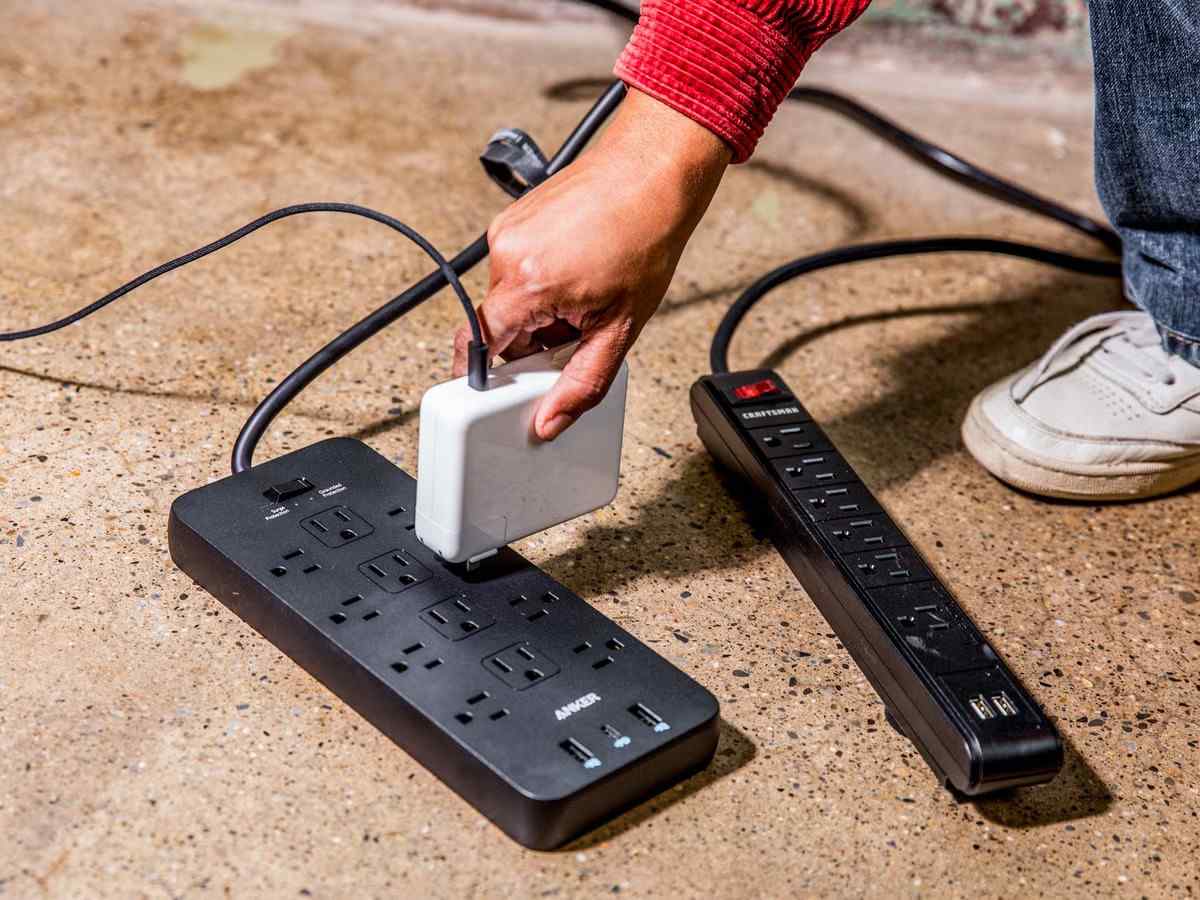
A good surge protector acts as a critical buffer, designed to absorb excess voltage from power spikes before that damaging energy ever reaches your devices. It is a relatively small investment that offers immense peace of mind and prevents the potentially costly and frustrating experience of replacing damaged electronics. Think of it as essential insurance for your electronics against the local grid’s occasional, but impactful, quirks.
Choosing the Right Surge Protector for Your Costa Rican Property
Not all surge protectors offer the same level of protection. When selecting one for your property, look for these key features to ensure you are getting adequate defense:
- Joule Rating: This is perhaps the most important specification. It indicates how much energy the surge protector can absorb before it fails. A higher joule rating (e.g., 2000+ joules for sensitive electronics like computers and entertainment systems, and even higher for major appliances) offers better protection and a longer lifespan for the protector itself.
- UL Certification: Ensure the surge protector has a UL (Underwriters Laboratories) certification mark. This signifies that the product has been tested and meets stringent safety standards.
- Clamping Voltage: This specifies the voltage level at which the surge protector kicks in to divert excess electricity. A lower clamping voltage (e.g., 330V) means faster and more effective protection.
- Number of Outlets: Consider how many devices you need to protect in a given area. It is better to have a few extra outlets than to overload a unit.
- Indicator Lights: Many quality surge protectors include lights to show if the surge protection is active and if the wiring is correct. If the protection light goes out, it means the unit has absorbed its maximum joules and needs to be replaced.
- Warranty: A strong warranty often indicates a manufacturer’s confidence in their product’s protective capabilities and may even include coverage for connected equipment.
Protecting Your Investments: Essential Appliances and Sensitive Electronics
Do not limit your surge protection strategy to just your computers and portable devices. Consider placing surge protection on anything with a microchip, a motor, or a significant financial or practical value.
Key items to protect include:
- Entertainment Systems: Televisions, sound systems, streaming devices, and gaming consoles.
- Kitchen Appliances: Refrigerators, microwaves, dishwashers, and high-end coffee makers.
- Laundry Appliances: Washers and dryers.
- Home Office Equipment: Desktop computers, monitors, printers, and external hard drives.
- Networking Gear: Internet routers, modems, and network switches.
- Air Conditioning Units: These often benefit from dedicated surge protectors or even whole-house surge protection due to their high power draw and cost.
- Medical Devices: Any critical medical equipment should always be on a protected circuit.
Protecting these items ensures your comfort, avoids unexpected and significant expenses, and maintains the functionality of your home.
Preparing for Power Outages: Generators and Backup Solutions
While surge protectors guard against voltage irregularities, power outages are a separate challenge, though typically short-lived in most developed areas of Costa Rica. For residents and property owners, having a plan for these interruptions adds another layer of security and convenience.
Consider these options for preparing for power outages:
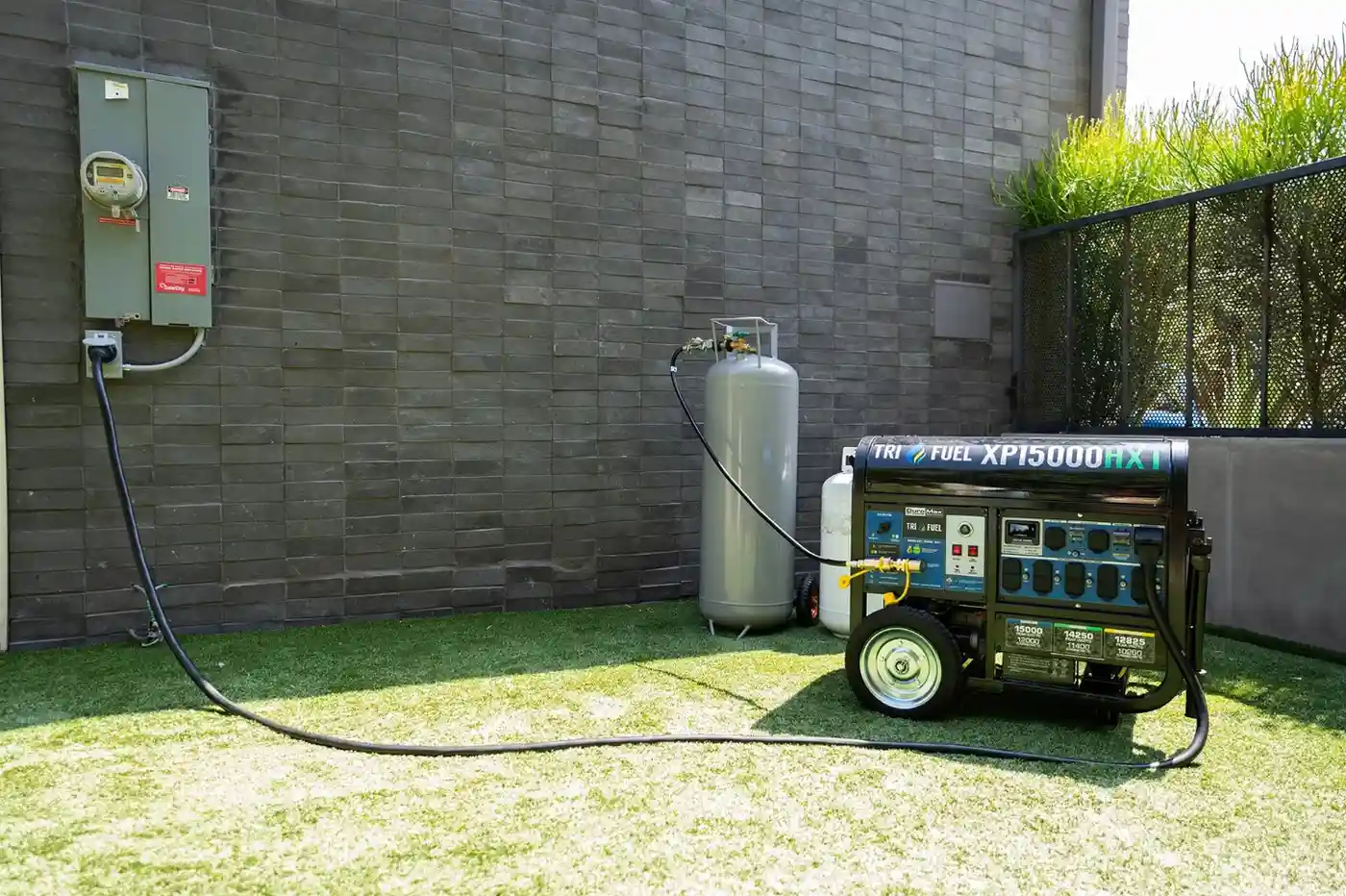
- Portable Generators: These are a common and relatively affordable solution. They require fuel (gasoline or propane) and manual setup, but can power essential services like a refrigerator, some lights, fans, and charging points during an outage.
- Whole-House Generators: A more significant investment, a whole-house generator is wired directly into your home’s electrical system and automatically kicks in when grid power is lost. They can power your entire home seamlessly, making them a valuable asset for full-time residents or high-end rental properties.
- Battery Backup (UPS, Uninterruptible Power Supply): For critical sensitive electronics like computers, internet routers, or security systems, a UPS can provide minutes to hours of power, allowing you to save work safely or maintain essential communication until grid power returns.
- Solar with Battery Storage: For the ultimate in self-sufficiency and long-term peace of mind, a well-designed solar energy system with battery storage can provide continuous power, reduce reliance on the grid, and significantly lower your electricity bills over time. This option is increasingly popular for those looking for sustainable and resilient living.
Securing Your Investment: Electrical Considerations for Your Costa Rican Home
Once you understand the basic compatibility of your electronics, the next step for any serious homeowner or investor in Costa Rica is to dive deeper into the local electrical landscape. Moving beyond simple plug types, a true understanding of the power grid, its nuances, and how to best prepare your home can genuinely protect your valuable assets and ensure long-term comfort.
Electrical Planning for New Builds and Renovations
Embarking on a new build or a significant renovation project in Costa Rica offers a wonderful opportunity to implement a robust and reliable electrical system from the ground up. This proactive approach is key to peace of mind. During the planning stages, prioritizing high-quality wiring, appropriate circuit breakers, and sufficient grounding will serve you well for decades to come. It also allows you to strategically place outlets and dedicated circuits for modern appliances, anticipating your family’s needs.
Working with experienced, local architects and electricians who are well-versed in Costa Rican building codes is not just a recommendation. It is a necessity. They can guide you through the specific requirements and best practices, ensuring your electrical system is not only safe and compliant but also designed to handle the local grid’s characteristics, including those occasional power fluctuations. This foresight prevents costly retrofits down the line and safeguards your investment.
Appliances and Home Comfort: What to Consider Before Buying
When outfitting your Costa Rican home with appliances, you will find that most standard 110V/60Hz appliances from North America will work perfectly well with the local current. This includes everything from your kitchen blender to your washing machine. However, the lifespan and performance of these items, especially sensitive electronics, can be significantly impacted by power variations.
Consider these points before making your purchases:
- Surge Protection: For all sensitive and expensive electronics. Think refrigerators with complex circuit boards, flat-screen TVs, computers, and sound systems. Investing in high-quality surge protectors is non-negotiable. These devices act as a buffer against voltage spikes, which, while not daily occurrences, are common enough to warrant protection.
- Energy Efficiency: Look for energy-efficient models. While initial costs might be slightly higher, the long-term savings on your electricity bill can be substantial, particularly for appliances like air conditioners and water heaters.
- Local vs. Imported: Many common appliance brands are readily available in Costa Rica. Buying locally can simplify warranty and service issues. If importing, confirm voltage compatibility and remember the critical need for surge protection.
Local Electrical Codes and Installation Standards
Costa Rica operates under its own set of electrical codes, which, while sharing similarities with international standards, have specific local adaptations. These codes are designed to ensure safety and prevent electrical hazards. For any electrical work, whether it is a minor repair or a complete system overhaul, it is absolutely vital to engage only licensed and certified electricians.
These professionals understand the specific regulations concerning wiring, grounding, load capacity, and safety devices. Adhering to these standards protects your property, ensures the safety of everyone in the home, and is often a requirement for insurance purposes. Do not compromise on safety; always choose properly accredited service providers.
Regional Variations: Power Stability in Guanacaste and the Gold Coast
While Costa Rica boasts a relatively robust national power grid, power stability can vary by region. In areas like Guanacaste and along the Gold Coast, which have experienced rapid development and are popular with foreign residents, the infrastructure is continually improving. However, these regions can still experience occasional power surges, dips, or outages, particularly during the rainy season or periods of high demand.
Understanding these regional nuances is precisely what separates a casual visitor from an informed resident. Knowing that your area might be susceptible to an occasional fluctuation means you can proactively protect your home. This is where diligent surge protection for your electronics truly proves its worth, offering a practical layer of security against the unpredictable nature of the power grid, even as the country strives for consistent improvements.
Long-Term Maintenance: Ensuring a Safe and Reliable Electrical System
Like any critical system in your home, your electrical setup benefits greatly from ongoing attention and maintenance. Regular inspections by a qualified electrician can identify potential issues before they become major problems. This includes checking wiring for wear and tear, ensuring proper grounding, and verifying that surge protectors are functioning correctly.
Proactive maintenance not only extends the life of your appliances and electrical infrastructure but also enhances the overall safety of your home. It is an investment in peace of mind, knowing that your power system is running efficiently and securely, minimizing unexpected disruptions or costly repairs.
Your Trusted Partner: Answering Your Further Practical Questions
Moving to a new country involves countless details, and we understand that these practical questions, though seemingly small, contribute significantly to your comfort and confidence. We are here to help navigate these waters with you.
Where to Find Reputable Electricians and Service Providers
Finding trustworthy service providers in a new country can feel daunting. The best approach is often through local recommendations. We advise asking fellow expats, trusted neighbors, or local businesses for referrals. Always request to see an electrician’s certifications and, if possible, check references from previous clients. We maintain a network of vetted professionals, including electricians, and are always happy to share our recommendations with our clients, helping you connect with reliable local experts.
Understanding Your Electricity Bill and Local Providers (ICE)
In Costa Rica, the primary electricity provider for most of the country is the Instituto Costarricense de Electricidad (ICE), though some smaller areas may have regional cooperatives. Your monthly electricity bill will detail your consumption in kilowatt-hours (kWh) and apply various tariffs. These tariffs can vary based on your usage level and the type of property (residential, commercial). Understanding your bill means you can monitor your consumption and identify opportunities for energy savings. We can walk you through a sample bill and explain the different charges, ensuring you are comfortable with how your utilities are managed.
Getting Local Advice: The Value of Hyper-Local Expertise
The journey of becoming a homeowner or investor in Costa Rica is filled with learning opportunities, and tapping into hyper-local expertise is one of your greatest assets. Knowing that US plugs work here is one thing. Understanding the regional power variations or the nuances of local electrical codes is another. This deeper local insight can save you time, prevent costly mistakes, and significantly reduce the stress associated with settling into a new environment. Our long-standing presence and deep community ties mean we have navigated these waters countless times, and we are eager to share that knowledge with you.
Building Trust: Our Commitment to Supporting Your Journey
Our commitment goes beyond just finding you the right property. We aim to be your trusted resource for all the practicalities that make your Costa Rican life comfortable and secure. From advising on electrical planning to connecting you with reputable service providers, our goal is to empower you with the local knowledge needed to thrive. We believe that by addressing these foundational concerns, we build a relationship of trust, ensuring you feel confident and supported every step of your exciting journey here.
Conclusion: Key Takeaways for a Seamless Costa Rican Experience
Reaffirming the Core Message: Compatibility with Essential Nuances
As we have explored, the convenient truth is that Costa Rica utilizes the exact same electrical outlets and voltage as North America. This answers the question, are outlets in Costa Rica the same as the US? Yes, they are. This means your devices from home, from phone chargers to laptops, will plug in and function without needing any adapters. However, true peace of mind here, especially for those making a significant investment, goes beyond simple compatibility. It lies in understanding the essential nuances of the local power grid.
While plugging in is effortless, the stability of the power supply can sometimes be less predictable than you might be used to. This includes occasional power surges, dips, or even brief outages, particularly during the heavier rainy seasons. Acknowledging these realities is the first step toward becoming a truly savvy resident.
The Savvy Resident’s Advantage: Preparedness for the Costa Rica Electricity Landscape
Understanding the Costa Rica electricity landscape is not about anticipating problems. It is about being prepared. A prepared homeowner protects their valuable electronics and ensures their investment remains sound. This proactive approach is a hallmark of an informed resident, someone who has moved beyond a tourist’s perspective to embrace the practicalities of living or owning property here.
- Protect Your Assets: Investing in quality surge protectors for all sensitive electronics is a small cost that offers significant protection against voltage fluctuations. Consider whole-house surge protection if you are building or undertaking major renovations.
- Embrace Local Solutions: Learn about Uninterruptible Power Supply (UPS) systems for critical devices like computers or internet routers, providing a buffer against momentary power interruptions.
- Plan for the Elements: The rainy season, while beautiful, can bring electrical challenges. Having a clear understanding of your property’s electrical setup and any backup options can make a big difference.
Your Next Steps Towards a Confident Costa Rican Investment
Now that you are armed with this crucial information, your next steps involve incorporating this knowledge into your broader investment or relocation plans. Do not let a small detail like electricity become a source of anxiety. Instead, view it as an opportunity to demonstrate your preparedness and attention to detail.
Consider these practical actions:
- Assess Needs: Make a list of all your essential electronics and their value. This helps in prioritizing surge protection.
- Budget Accordingly: Factor in the cost of high-quality surge protectors or potentially a small UPS unit into your initial setup budget.
- Inspect Properties: When looking at potential homes or businesses, inquire about the existing electrical infrastructure and any protective measures already in place.
Partnering for Your Success in the Costa Rican Market
Navigating the nuances of living or investing in a new country can feel overwhelming, but it does not have to be. Addressing practical questions like electrical compatibility is just one small piece of a much larger puzzle. Our aim is to provide you with clear, trustworthy insights into every aspect of the Costa Rican market, from these everyday details to significant real estate transactions.
We believe that being well-informed empowers you to make the best decisions. Think of us as your local guides, here to answer your questions, big or small, and ensure your transition into the Costa Rican lifestyle is as smooth and confident as possible. We are here to partner with you, helping you understand not just the opportunities, but also the practicalities that truly separate a visitor from a successful, established member of the community.
Frequently Asked Questions
Do I need a power adapter for Costa Rica if I’m coming from the US?
No, if you are coming from the United States, Canada, or Mexico, you generally do not need a power adapter for Costa Rica. The country uses the same Type A and Type B outlets, which are compatible with North American plugs, and operates on a similar 120V, 60Hz standard.
What is the voltage in Costa Rica compared to the US?
The voltage in Costa Rica is 120V with a frequency of 60Hz, which is identical to the standard electrical specifications in the United States. This means most of your US-purchased electronics and appliances will function perfectly without a voltage converter.
Are Costa Rica electricity standards the same as North America?
Yes, Costa Rica electricity standards are largely the same as North America, specifically regarding voltage (120V), frequency (60Hz), and plug types (Type A and Type B). This compatibility is a result of historical infrastructure development by the Instituto Costarricense de Electricidad (ICE).
Why is a surge protector important for electronics in Costa Rica?
Even though outlets are compatible, Costa Rica’s power grid can experience occasional fluctuations like voltage sags, power surges, or brief outages. A high-quality surge protector is essential to safeguard your valuable electronics and appliances from potential damage caused by these power irregularities, ensuring their longevity and your peace of mind.
What should international travelers know about Costa Rica electricity?
International travelers from outside North America should check their device labels for dual-voltage compatibility (e.g., “100-240V, 50/60Hz”). If a device is dual-voltage, you will only need a physical plug adapter for the North American-style outlets. If it is single-voltage (e.g., “220V”), you will need both a plug adapter and a step-down voltage converter.