

Concession Land Costa Rica: What It Means for Buyers
If you’re dreaming of a home with ocean views in Costa Rica, you’ve likely encountered the term “concession land.” For many, this sounds complex and perhaps even a bit risky. We’re here to help you unpack it. Concession land isn’t a nebulous concept; it’s a specific, legally defined arrangement, and understanding it is the first step toward feeling confident about your investment in paradise.
At its core, this framework is the key to overcoming the natural intimidation of navigating a foreign real estate system. While the term often causes anxiety for foreign buyers, it is a well-established legal path that, with expert guidance, provides a secure way to own property in Costa Rica’s most desirable beachfront locations.
The Maritime Zone: Protecting Costa Rica’s Coastline
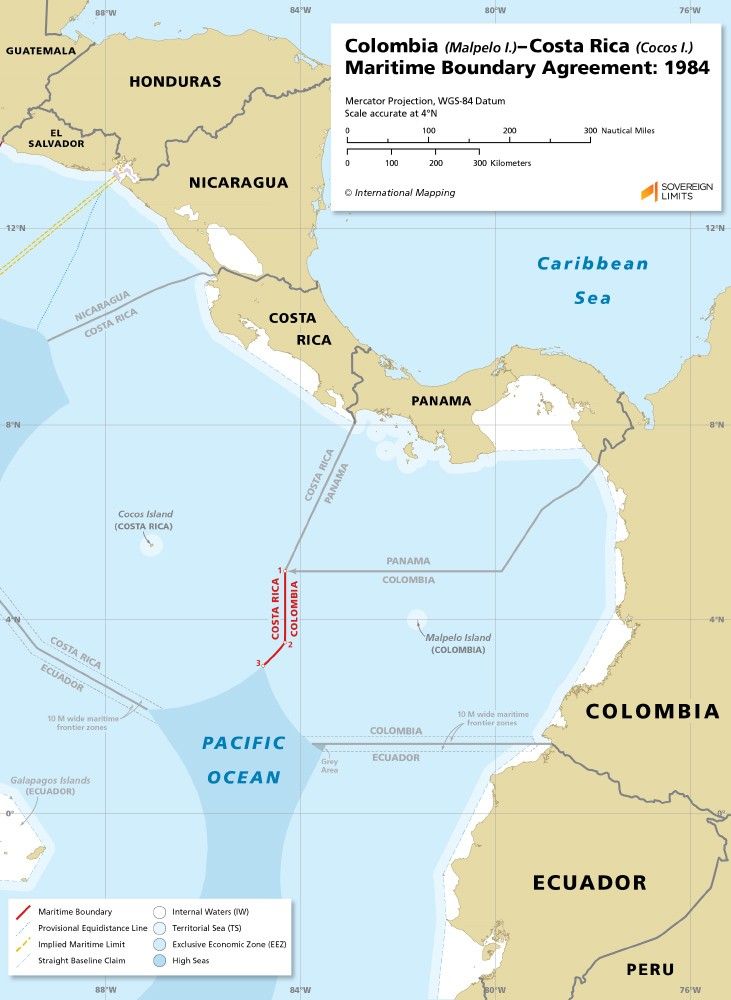
The foundation of concession land is Costa Rica’s Maritime Zone, or Zona Marítimo Terrestre (ZMT). This is a strip of land that extends 200 meters inland from the high tide line, established by the Maritime Zone Law of 1977. Its primary purpose is to protect the coastline, ensure public access to beaches, and prevent uncontrolled development. Within the ZMT, direct private ownership, as you might know it, simply does not exist. The land itself is owned by the state.
Think of it this way: Costa Rica treasures its breathtaking beaches and wants to ensure they remain accessible and protected for everyone. The ZMT is a crucial legal tool to achieve that vision, balancing development with conservation.
Your Property Options: Titled vs. Concession Land
When you explore property here, you’ll encounter two primary categories: titled property and concession land. Both can offer secure and rewarding paths to homeownership.
Titled property is similar to fee-simple ownership in other countries. You own the land outright, and your ownership is recorded in the National Registry, providing a clear and absolute deed. This is the most straightforward form of ownership and is typically found on land located more than 200 meters from the high tide line.
Concession land, on the other hand, is the legal pathway to using and developing property directly on or very near some of Costa Rica’s most pristine beaches. Instead of outright ownership of the land, you acquire a long-term lease, or “concession,” from the government. This grants you exclusive use rights, or derecho de uso, over a specific parcel within the Maritime Zone. It’s not a temporary rental, it’s a legally recognized, registered, and transferable right that allows you to enjoy and develop the land, with the government retaining ultimate ownership of the soil beneath.
The Allure and Advantages of Concession Property
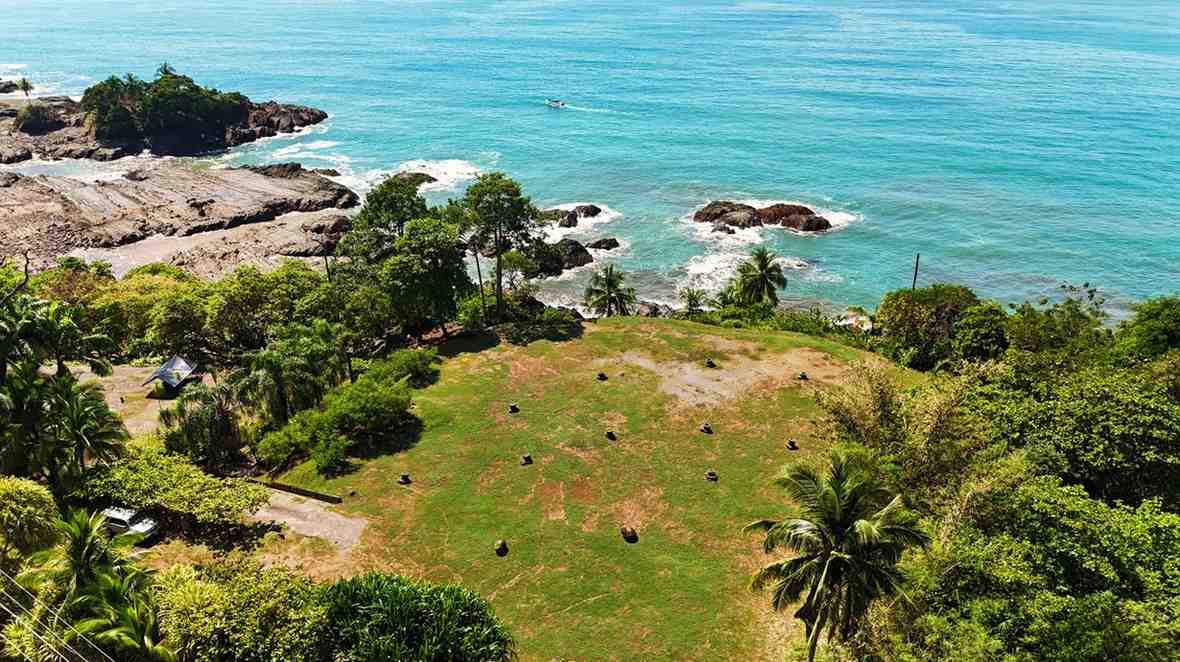
The most compelling advantage of concession land is its location. If your vision of life here involves direct beach access, panoramic ocean views, and stepping from your home onto the sand, a concession property is almost certainly what you’re looking for. These are the properties that offer immediate proximity to the waves and sunsets that define the Costa Rican dream.
This unique access unlocks incredible lifestyle and investment opportunities. Imagine a private residence where your backyard is the Pacific Ocean, or a boutique hotel offering guests an authentic beachfront experience. For investors, well-located concession properties in popular tourist areas can yield significant returns through vacation rentals, commercial operations, and future appreciation.
Crucially, concession land represents a completely legal and established path for foreign ownership in these desirable areas. With the right guidance, the process is straightforward and secure.
How Concessions Work: A Partnership with the Government
A concession is essentially a robust, long-term lease agreement granted by the local municipality and often approved by the Costa Rican Tourism Institute (ICT). This collaboration ensures that any development aligns with national tourism and environmental goals.
Key aspects of your lease agreement include:
- Duration and Renewal: Concessions are typically granted for a 20-year term. They come with a strong, often straightforward right to renew, provided you have met the terms of the agreement.
- Exclusive Use: The agreement grants you exclusive use of the land, meaning you have the right to build on it, operate a business, or reside there, free from interference.
- Transferability: Your rights are fully transferable. You can sell your concession to another party, passing on the exclusive use rights and any improvements you’ve made. This right is recorded in the Public Registry, making it a viable asset for investment and resale.
- Obligations: As a concessionaire, you have certain obligations, such as paying annual concession fees to the municipality and adhering to all regulations.
Mitigating Risks: Your Guide to a Secure Investment
Understanding concession land means knowing what to look for and what questions to ask. It’s about being informed, not intimidated. By familiarizing yourself with these key aspects, you can confidently explore beachfront opportunities.
The Importance of the Zoning Plan (Plan Regulador)
Imagine acquiring a beautiful piece of land only to discover you can’t build the home you envisioned. This is where the Zoning Plan, or Plan Regulador, becomes incredibly important. This municipal plan dictates how land can be used, specifying building density, height restrictions, and whether use must be residential or commercial.
Investing in a concession in an area without an approved Plan Regulador can introduce uncertainty. A clear and approved plan, however, provides a robust framework, offering stability and predictability for your investment. Verifying the status of the Plan Regulador is a non-negotiable step in our due diligence process.
Clarifying Foreign Ownership and the 95/5 Rule
One common anxiety for foreign buyers is whether they can legally hold a concession. The good news is that foreign ownership is a well-established and legally sound practice.
You may have heard of a “95/5 rule,” which can cause confusion. This rule applies to the first 50 meters of the 200-meter Maritime Zone, known as the Public Zone, where development is heavily restricted. For the remaining 150 meters, where most development occurs, a foreign national cannot directly own more than 49% of a corporation that holds a concession. This means a Costa Rican national must hold at least 51% of the shares.
However, this does not mean you lose control. This is commonly and legally addressed by structuring the corporation so that the Costa Rican partner holds 51% of the non-voting shares, while you, as the foreign investor, hold 49% of the voting shares and 100% of the economic rights. This well-established legal strategy provides full control over the assets and profits while respecting the letter of the law.
Your Roadmap to a Secure Concession Purchase
Embarking on this journey might seem complex, but with a clear roadmap and an expert guide, it becomes a smooth and secure process. Think of us as your co-pilot.
- Initial Due Diligence: We begin by meticulously researching the specific concession, delving into its history and confirming the current holder is in good standing with the local municipality. We also examine the local Plan Regulador to understand all development possibilities and restrictions.
- Official Verification: To ensure there are no surprises, we rely on official sources. The National Geographic Institute (IGN) helps confirm the precise boundaries of the land. More importantly, the Public Registry provides a transparent record of who holds the concession, its terms, and any liens, guaranteeing a clean transfer of use rights.
- Navigating the Process: Acquiring a concession involves specific legal and administrative steps. We prepare and submit all necessary applications, track their progress, and streamline this often-complex administrative journey, ensuring all legal requirements are met efficiently.
- Securing Your Rights: The culmination is the formal transfer of use rights, which is recorded in the Public Registry. This legally vests in you the authority to develop and enjoy the property according to your lease agreement, providing you with undeniable legal standing.
- Post-Purchase Success: Your journey continues with responsible management. This includes paying annual fees, adhering to regulations, and maintaining good communication with local authorities. We advise on best practices and can connect you with trusted resources to ensure your dream remains secure and hassle-free for years to come.
Embracing Your Dream with Confidence
The path to owning a piece of Costa Rica’s stunning coastline is not nearly as formidable as it might seem. It is a defined legal framework that offers access to the most coveted, direct beachfront properties. Your concession rights are a secure, long-term, and transferable asset, making it a sound investment in both lifestyle and finances.
We invite you to explore the exciting possibilities of Costa Rica property ownership for foreigners with the confidence that comes from working with seasoned experts. Don’t let misconceptions deter you from experiencing the unparalleled beauty of Costa Rica’s coast. Reach out to us for a personalized consultation. Let us show you how secure and fulfilling your beachfront dream can truly be.
Frequently Asked Questions
Is concession land less secure than titled property? Not at all. A properly registered and managed concession is a highly secure property right protected under Costa Rican law. The key is performing thorough due diligence with an experienced team. It is a different form of right, a derecho de uso (use right) instead of an outright ownership right, but it is a substantive interest that is registered, transferable, and secure for its term.
Can foreigners really own beachfront property in Costa Rica? Yes. While foreigners cannot directly own land within the Maritime Zone, they can legally hold the concession rights, which grant the right to build on and use the property. This is most often done by setting up a Costa Rican corporation, a common and secure method for foreign investors to realize their beachfront dreams.
What is the 95/5 rule for concession land? This rule is often misunderstood. It primarily dictates that in the restricted portion of the maritime zone, a corporation holding a concession must have at least 51% of its shares held by a Costa Rican citizen. However, a well-established legal structure allows the foreign investor to retain control and 100% of the economic benefits, making it a manageable requirement, not a barrier to ownership.
What happens after my 20-year concession lease is up? Concession leases come with a strong right of renewal. Provided you have complied with the terms of your lease agreement, such as paying your annual fees and adhering to zoning laws, the renewal process is typically straightforward. It is not a short-term rental, but a long-term, renewable right designed to encourage stable and positive development.