

What Is a Casado? Costa Rica’s Most Iconic Meal
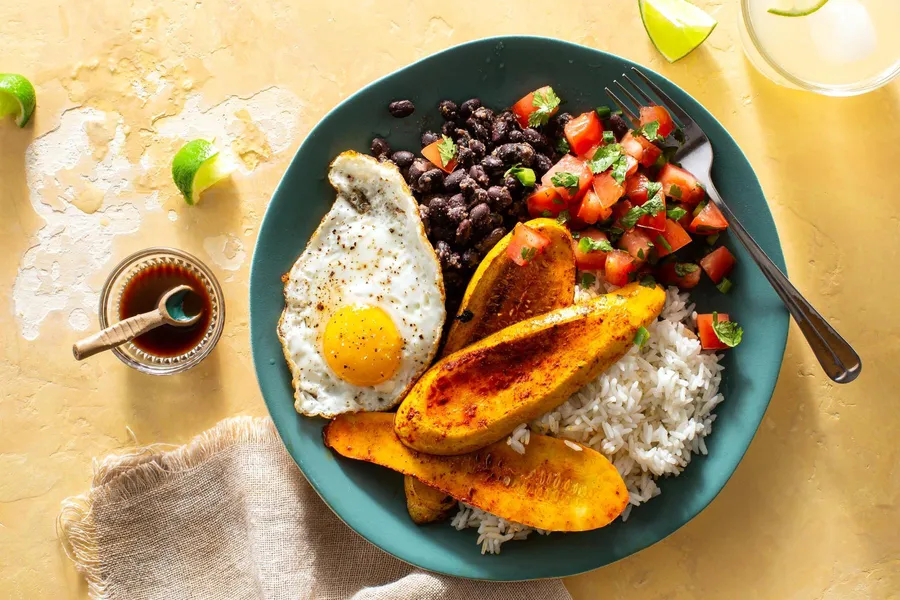
When you imagine your new life on Costa Rica’s Gold Coast, you likely picture sun-drenched beaches, lush rainforests, and vibrant sunsets. But to truly embrace the local lifestyle, you must also savor its flavors. There is one dish that perfectly encapsulates the warmth and balance of the Pura Vida culture, the casado. More than just a meal, it’s a delicious glimpse into the heart and soul of daily life here.
What is a Casado? The Story Behind the Name
The name casado literally translates to “married man.” As local legend tells it, the term began when working men would ask for their lunch to be served like a married man’s plate, meaning a complete, balanced, and hearty meal just like they would receive at home. It signifies a harmonious union of ingredients, a perfect combination that represents the daily sustenance found across the country.
You’ll find the casado served everywhere in Costa Rica, from bustling city restaurants to humble roadside sodas, which are our small, family-run eateries. It’s the go-to lunch for just about everyone because it’s wholesome, affordable, and incredibly filling. What began as a practical lunch special has evolved into a beloved Costa Rica national dish, a symbol of our appreciation for fresh, local ingredients and straightforward, delicious cooking.
The Anatomy of a Perfect Plate
When you sit down at a soda and order a casado, you’re getting an experience. It’s a beautifully arranged plate, a canvas of vibrant colors and comforting textures where each component plays its part.
The Foundation: Rice and Beans
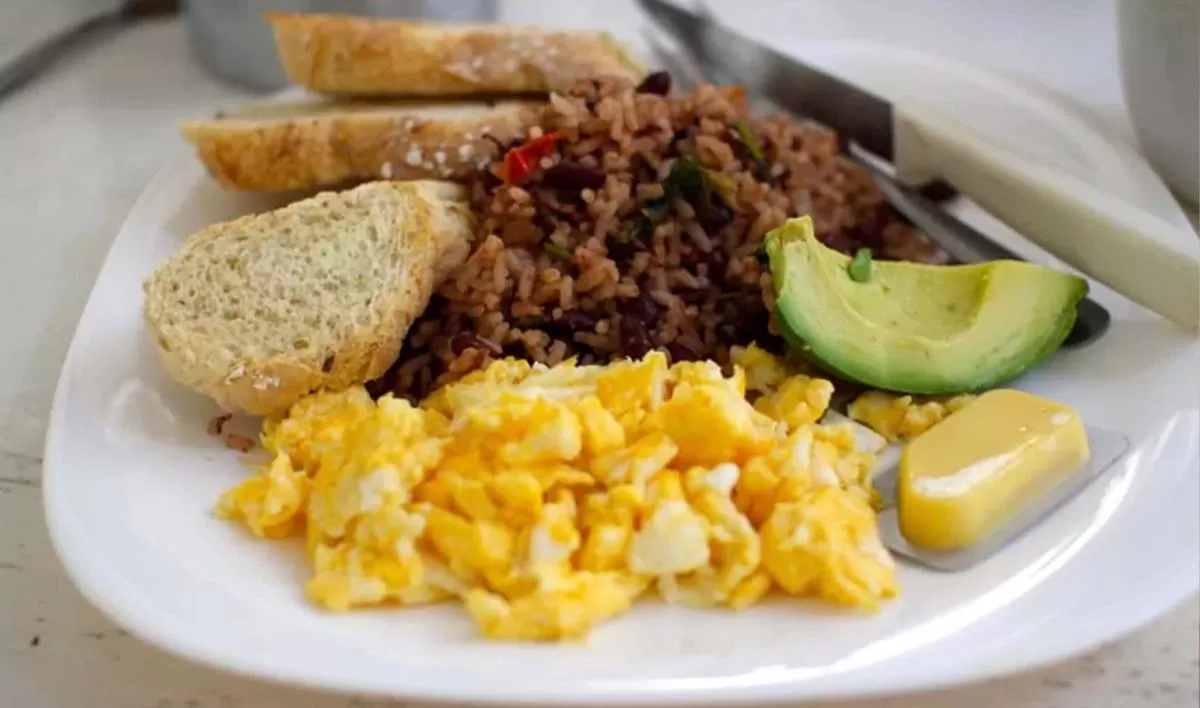
Unlike the blended gallo pinto you’ll enjoy at breakfast, the casado serves its rice and beans separately. You’ll find a generous portion of fluffy white rice sitting beside a helping of tender, flavorful black beans. Cooked simply with a hint of onion, bell pepper, and garlic, they are the satisfying heart of the meal.
The Star: Your Choice of Protein
This is where the casado gets personal. You get to pick your main event, and common choices include:
- Chicken: Often grilled, stewed in a rich tomato sauce (pollo en salsa), or fried until crispy.
- Fish: Usually a local white fish, pan-fried or grilled with a hint of garlic.
- Pork: A tender pork chop (chuleta) or slow-cooked shredded pork.
- Beef: A thin steak smothered in onions (bistec encebollado) or hearty shredded beef (carne en salsa).
The Flavorful Sides: Plantains, Picadillos, and Salads
Here’s where the plate comes alive with variety. You’ll almost always find sweet, caramelized fried plantains, known as plátanos maduros. You may also get a picadillo, a comforting side dish of finely diced vegetables like potato or chayote squash, simmered with herbs. To balance the richness, a small, vibrant salad of shredded cabbage or lettuce with tomato and lime provides a refreshing contrast.
The Signature Touch: Lizano Sauce and Tortillas
No casado is complete without the iconic Lizano sauce. This amber-colored condiment is a national treasure, a tangy, slightly sweet, and savory sauce that brings everything on the plate together. You’ll find it on every table, usually alongside warm corn tortillas perfect for scooping up every last delicious bite.
More Than a Meal: The ‘Pura Vida’ in Every Bite
To truly understand our soul, you must first understand the casado. It is a daily expression of the balanced, welcoming Pura Vida culture that draws people to our shores. It started as a simple, practical meal for laborers and farmers, packed with energy from readily available, locally sourced ingredients. This reflects the Tico spirit of making the most of what’s at hand, transforming simple food into something deeply satisfying.
Eating a casado is a daily ritual for many, a moment to pause, refuel, and appreciate the richness of everyday life. Lunchtime here is not a hurried affair. It’s an opportunity to connect with community in a local soda, sharing stories as neighbors and friends. This unhurried joy is slow living in action. The plate itself is a symbol of our core values. The ingredients are simple, yet the portions are generous, reflecting the inherent hospitality and giving spirit that is so characteristic of our culture. It’s an invitation to slow down and savor the simple pleasures.
Casado Variations and What to Eat in Guanacaste
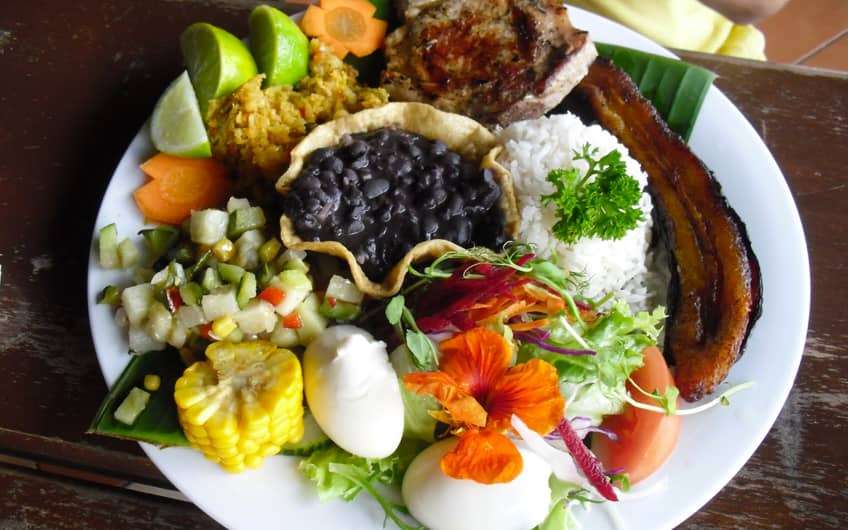
While the core components are wonderfully consistent, this traditional Costa Rican food offers a delightful array of choices.
Here in Guanacaste, our proximity to the Pacific Ocean means fresh seafood often takes center stage. You’ll find an abundance of grilled or fried fish options, sometimes accompanied by a zesty pico de gallo. Our sunny, warm climate influences our preference for lighter preparations, making the Gold Coast casado a refreshing meal that perfectly embodies our relaxed, beachside lifestyle. In the cooler central highlands, you might find more root vegetables, while the Caribbean coast famously incorporates coconut milk into its rice and beans.
For our vegetarian and vegan friends, the casado is easily customized. Simply ask for “un casado vegetariano” or “con solo verduras” (with only vegetables), and most sodas will happily pile your plate with extra salads, picadillos, and plantains. It’s a wonderful example of how Costa Rican cuisine embraces everyone.
Where to Find the Best Casado on the Gold Coast
To truly experience a casado, you must visit a soda. These small, family-run restaurants are the heartbeat of everyday Costa Rican dining. Here are a few tips for spotting an authentic experience:
- Follow the locals. The best indicator of a good soda is a crowd of Ticos.
- Look for the “Plato del Día.” Many sodas offer a “plate of the day” on a whiteboard, which signifies freshness and great value.
- Simple decor, big flavor. Don’t be fooled by simple furnishings. Some of the most delicious food comes from the most unassuming places.
From the vibrant town of Tamarindo to the serene shores of Playa Flamingo, you’ll find delightful spots that cater to both locals and visitors. Don’t be afraid to venture inland to towns like Huacas or Brasilito, where the pace is a little slower and the flavors are deeply rooted in tradition.
To order, you can simply say, “Un casado de pollo, por favor” (A chicken casado, please). A polite “Gracias” (Thank you) and “¡Está delicioso!” (It’s delicious!) will always be met with a warm smile.
Your Invitation to the ‘Pura Vida’ Lifestyle
Embracing the casado is one of the best ways to begin embracing the Pura Vida lifestyle. It’s a tangible, delicious step into understanding the balance, community, and relaxed pace that makes living here so uniquely appealing. As you consider making our beautiful Gold Coast your home, we invite you to experience this genuine warmth and flavor for yourself. The casado is just the beginning of your culinary journey, a perfect introduction to the enriching and vibrant life that awaits you here.
Frequently Asked Questions
What is a casado in Costa Rica? A casado is a traditional Costa Rican meal served on one plate. It typically consists of rice, black beans, a choice of protein (like chicken, fish, beef, or pork), a fresh salad, and fried sweet plantains. It’s considered a complete and balanced meal and is a staple lunch special across the country.
What is the difference between gallo pinto and a casado? Gallo pinto is a breakfast dish where rice and beans are mixed and fried together, often with onions, peppers, and cilantro. In a casado, the rice and beans are served separately on the plate, not mixed, and it is typically eaten for lunch.
Is a casado a healthy meal? Yes, a casado is generally a very healthy and well-balanced meal. It provides a good mix of carbohydrates from rice, protein from beans and meat or fish, and vitamins and fiber from the salad and vegetable sides. Because it’s made with fresh, whole ingredients, it’s a nutritious choice for a daily meal.
Can I get a vegetarian or vegan casado? Absolutely. It’s very easy to get a vegetarian casado. You can ask for one “vegetariano” or “sin carne” (without meat). The plate will typically come with extra servings of salad, vegetables, picadillo, and plantains to replace the meat. Many sodas are happy to accommodate this request.
How much does a casado usually cost? A casado is known for being very affordable. In a local soda, you can typically expect to pay between $5 and $8 USD for a large, filling plate. Prices may be slightly higher in more tourist-focused restaurants, but it remains one of the best-value meals you can find in Costa Rica.