

Beyond the Charm: Mastering Due Diligence for a Secure Investment
Buying property abroad can feel exciting and overwhelming at the same time, especially in a market as attractive as Costa Rica. These tips for buying Costa Rica real estate focus on one critical truth: beauty alone doesn’t secure an investment—due diligence does. Before emotions take over, understanding titles, surveys, zoning, environmental rules, utilities, and true ownership costs is essential. With the right local experts guiding the process, careful investigation becomes your strongest protection, turning a complex purchase into a confident, well-structured investment decision.

The Non-Negotiable Deep Dive into Property Title and Registration
The very first step in securing any property here is a thorough title search. This is more than just a quick look, it is a deep investigation into the property’s history, conducted at the National Registry (Registro Nacional). Every piece of titled land in Costa Rica is registered here, providing a public record of its legal status.
Your real estate attorney will meticulously examine the Folio Real, which is the unique identifier for each property. This investigation aims to uncover several critical details:
- Ownership: Verifying that the seller is, in fact, the legal owner and has the right to sell.
- Liens and Encumbrances: Identifying any mortgages, judgments, or other financial claims against the property that could transfer with the sale.
- Easements (Servidumbres): Discovering any rights of way, utility access, or other limitations that grant others the right to use a portion of the property.
- Restrictions: Noting any specific conditions or prohibitions on the property’s use or development.
It is crucial to understand that while the information is public, interpreting it correctly requires legal expertise. We have seen instances where buyers, attempting to save costs, relied solely on the seller’s provided documents, only to discover significant issues later. Your independent attorney acts as your safeguard, ensuring that what you see is truly what you get, a critical part of the due diligence process Costa Rica.
Understanding the Property Survey (Plano Catastrado) and Boundaries
Hand-in-hand with the title search is the review of the property survey, or Plano Catastrado. This isn’t just a map, it is a legally registered document that defines the exact location, dimensions, and area of the property. It is also registered with the National Registry, often cross-referenced with the property title.
Your due diligence should confirm:
- Accuracy: That the Plano accurately reflects the physical boundaries of the land you intend to purchase. An outdated or inaccurate survey can lead to disputes with neighbors or issues with future development permits.
- Registration: That the Plano Catastrado is properly registered and matches the description in the property title. Discrepancies here can signal underlying problems.
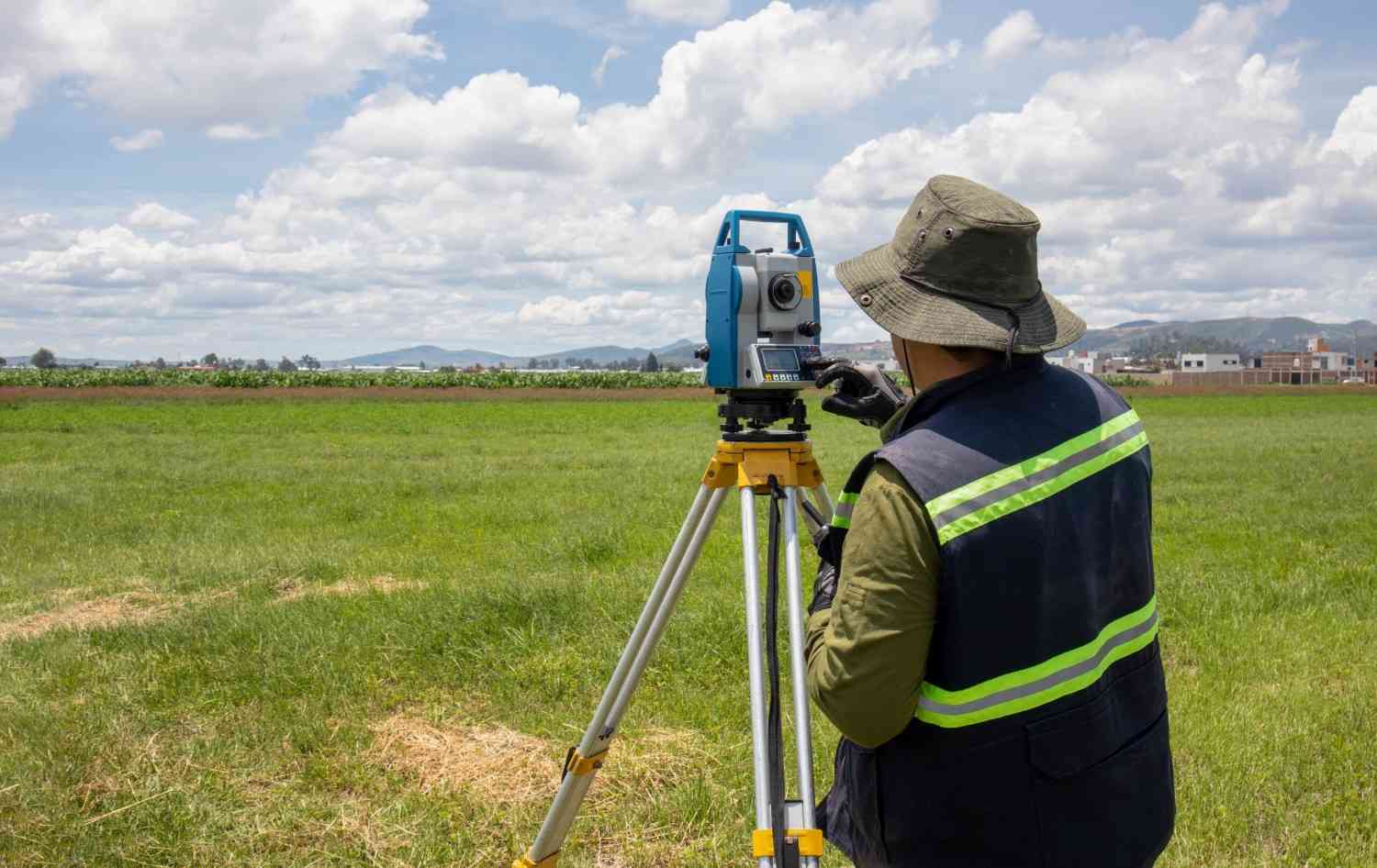
- Physical Verification: Your agent and attorney will often recommend a physical survey to confirm that the existing boundary markers align with the registered Plano. This step is invaluable for preventing future boundary conflicts.
Investigating Zoning Regulations and Land Use Permits
Beyond legal ownership, you need to understand what you can actually do with the land. This is where zoning regulations come into play, typically governed by municipal Planes Reguladores (Regulatory Plans). These plans dictate everything from allowed construction types and density to building heights and setback requirements.
Here is what your team will investigate:
- Permitted Use: Can you build a single-family home, a commercial venture, or multi-unit housing?
- Building Constraints: What are the maximum height, footprint, and density allowed?
- Setbacks: How far must structures be from property lines, rivers, roads, or the coastline?
- Infrastructure Requirements: Are there specific regulations regarding septic systems, water treatment, or road access for development?
Ignoring zoning regulations can lead to costly delays, fines, or even the inability to build your dream home or project. Your local agent, with their direct experience navigating municipal offices on the Gold Coast, combined with your attorney’s legal interpretation, will provide clarity and ensure your vision aligns with local law.
Environmental Assessments and Coastal Regulatory Zone (ZMT) Considerations
Costa Rica is renowned for its commitment to environmental protection, and this translates into specific regulations that impact property development, especially in sensitive areas. An environmental assessment might be required for certain types of development or for properties near protected zones.
A critical consideration, particularly on the Gold Coast, is the Zona Marítimo Terrestre (ZMT), or Coastal Regulatory Zone. This is a 200-meter strip measured from the high tide line, divided into two distinct parts:
- Public Zone (Zona Pública): The first 50 meters from the high tide line, which is public and cannot be privately owned or developed.
- Restricted Zone (Zona Restringida): The subsequent 150 meters, which can only be developed under a government concession, not outright private ownership.
If your desired property falls within the ZMT, it is vital to understand the implications. Concession properties, while offering beautiful coastal access, come with specific rules, limited terms, and government oversight. Your “A-Team” will determine if the property is titled fee simple or a concession, and if the latter, they will verify the status, terms, and transferability of that concession.
Verifying Services and Infrastructure Availability
Finally, due diligence extends to the practicalities of daily life and development. Even the most beautiful plot of land is impractical without essential services. Your team will meticulously verify the availability and legal connection of critical infrastructure:
- Water Access: Is there reliable, potable water through a municipal system (AyA), a rural water association (ASADA), or a legally registered well? If it’s a well, are the permits in order?
- Electricity: Is there a connection to the national grid (ICE) or a clear path to obtaining one?
- Road Access: Is there legal, year-round access to the property? What is the condition of the roads, and who is responsible for their maintenance?
- Internet and Communication: What are the options for internet and phone service, which are increasingly vital for remote work and modern living?
- Waste Management: How will sewage and waste be managed? Is a septic system needed, and are there regulations for its installation?
These seemingly minor details can have major financial and lifestyle impacts. Our two decades of experience on the Gold Coast have taught us that overlooking these practical considerations can lead to significant headaches and unexpected costs down the road. This comprehensive due diligence, guided by your carefully chosen local experts, is your ultimate protection and the true path to a secure and joyful investment in Costa Rica.
Understanding the Full Picture: Costs Beyond the Listing Price
When you are looking at that dream property in Costa Rica, it is easy to get swept away by the listing price. However, our two decades of experience here on the Gold Coast have shown us time and again that a truly secure and successful real estate investment Costa Rica hinges on understanding the full financial picture. This goes far beyond the advertised price and dives into the various associated costs and ongoing expenses. Navigating these requires precise local knowledge, and that is where the right partner becomes indispensable when considering how to buy property in Costa Rica.
Deconstructing Closing Costs Costa Rica: What to Expect
Just like anywhere else, buying property in Costa Rica involves closing costs. These are typically paid by the buyer and generally range between 2.5% to 4% of the purchase price, though they can sometimes be higher for very specific situations or low-value properties. This percentage is an estimate, and the actual figures are critical to your budget.
Here is a breakdown of what these costs usually include:
- Transfer Tax: This is levied by the government for the transfer of ownership, typically around 1.5% of the registered property value.
- National Registry Fees: Fees for recording the property transfer at the National Registry.
- Document Stamps: Various governmental stamps required for the legal documents.
- Notary Public Fees: The notary public, who acts as the closing agent in Costa Rica, charges a fee for their services. This is usually around 1.25% of the first million colones (approximately $1,750 USD) and 1% for the remaining balance. These are statutory fees, meaning they are set by law.
Understanding these individual components and getting accurate estimates for your specific property is one of the first areas where a seasoned local partner proves invaluable. We ensure you have a clear, transparent breakdown long before you commit.
Navigating Property Taxes and Municipal Fees
Beyond the closing costs Costa Rica, you will encounter annual property taxes and municipal fees. Property tax, known as Impuesto Territorial, is remarkably low in Costa Rica, typically 0.25% of the registered property value per year. This value is usually lower than the market value and is updated periodically.
In addition to property tax, municipalities charge various fees for services like trash collection, road maintenance, and security. These municipal fees vary by location and property type but are generally not substantial. We will help you understand the specific fees for any property you consider, ensuring no surprises down the line.
Anticipating Ongoing Ownership Expenses: HOAs, Utilities, and Maintenance
Owning property is not just about the purchase, it is about the ongoing experience.
- Homeowners Association (HOA) Fees: If your property is part of a gated community, condo, or resort development, you will have HOA fees. These cover shared amenities, common area maintenance, security, and sometimes utilities. They can vary widely, from a few hundred dollars to over a thousand dollars per month, depending on the services and amenities offered.
- Utilities: Budget for electricity, water, internet, and sometimes gas. Electricity costs can fluctuate, especially if you rely heavily on air conditioning.
- Maintenance: Even new homes require maintenance. From gardening services to pool cleaning and general repairs, factoring in these costs is essential for protecting your investment and enjoyment.
A knowledgeable local partner provides realistic estimates for these ongoing expenses, drawing from years of firsthand experience with properties in the area. We can connect you with reliable service providers for everything from pool cleaning to structural repairs, ensuring your property is well-maintained and your budget is accurate.
Budgeting for Unexpected Contingencies and Renovations
No matter how thorough the inspection, life happens. We always advise our clients to set aside a contingency fund, typically 5-10% of the purchase price, for unexpected repairs, appliance replacements, or minor renovations you might wish to undertake. If you plan significant renovations, we will help you connect with trusted local builders and contractors, navigating permits and material costs with you. Having a reliable local network is absolutely crucial here to avoid costly mistakes.
Currency Exchange Rates and Their Impact
Costa Rica uses the Colón (CRC), but real estate transactions are often quoted and sometimes conducted in US Dollars. For foreign investors, fluctuations in the exchange rate between your home currency and the US Dollar (or the Colón) can impact your total investment and future income from the property. While the Costa Rican Colón tends to be relatively stable against the US Dollar, it is a factor to monitor. We work with trusted financial advisors who can provide insights into managing these dynamics, ensuring your financial planning is robust.
Navigating Legalities: Secure Ownership Structures for Foreign Investors
The legal framework for property ownership in Costa Rica is robust and fully protects foreign investors, yet it has unique nuances. One of the most critical decisions you will make is how to legally hold the property title. This decision can impact your liability, taxes, and ease of future transactions. This is precisely why having an experienced legal guide, often recommended by your trusted real estate partner, is not just helpful, it is essential for Costa Rica real estate for foreigners.
Direct Ownership vs. Corporate Ownership (S.A. or LLC)
In Costa Rica, foreign individuals have two primary options for holding property:
- Direct Ownership (as an individual): You hold the property title directly in your name. This is straightforward and often simpler for properties intended purely as personal residences with no rental income or other business activities.
- Corporate Ownership: You establish a Costa Rican corporation (most commonly a Sociedad Anónima or S.A., or less commonly an LLC) and the corporation holds the property title. You, as the investor, own the shares of this corporation.
Advantages and Disadvantages of Holding Property in a Corporation
Corporate ownership is a very popular choice for foreign investors due to several strategic advantages, though it also comes with certain responsibilities.
Advantages:
- Liability Protection: A key benefit is that the corporation acts as a separate legal entity, which can shield your personal assets from potential liabilities related to the property.
- Estate Planning: It can simplify inheritance and estate planning, as shares of the corporation are transferred rather than the property title itself, often avoiding probate.
- Ease of Transfer: If you decide to sell the property in the future, you can often sell the shares of the corporation rather than the property itself, which can simplify the transfer process and potentially reduce certain transfer fees for the buyer (though transfer tax still applies if the underlying asset is real estate).
- Business Activities: If you plan to rent out the property, operate a business from it, or hold multiple properties, a corporation provides a more structured and legally compliant way to manage these activities.
Disadvantages:
- Ongoing Maintenance: Corporations require annual registration fees, a resident agent (usually a lawyer), and must file annual tax declarations, even if no income is generated.
- Transparency: While offering liability protection, the beneficial owner information is now registered with the Central Bank, making corporate structures more transparent than in the past.
- Cost: Setting up and maintaining a corporation incurs legal and administrative costs.
Deciding which structure is best for you depends entirely on your specific goals, intended use of the property, and financial situation. This is a conversation you will have with your real estate attorney, one that your trusted real estate partner will facilitate.
Understanding Foreign Ownership Laws and Protections
Rest assured, Costa Rica has a long-standing tradition of respecting private property rights, including those of foreign citizens. The foreign ownership laws explicitly protect foreign property ownership, granting you the same rights and responsibilities as Costa Rican nationals. The legal system is transparent, and property titles are recorded in the National Registry (Registro Nacional), which is publicly accessible and provides clarity on ownership and any encumbrances on a property. This secure legal framework is one of the reasons Costa Rica remains such an attractive destination for international real estate investment Costa Rica.
The Importance of a Well-Drafted Purchase Agreement
Once you have found your ideal property and decided on an ownership structure, the next critical step is the purchase agreement. This is not just a formality, it is the legally binding document that protects your interests and outlines the entire transaction.
A well-drafted purchase agreement in Costa Rica should include:
- Clear Identification: Precise details of both the buyer and seller, and the property.
- Purchase Price and Payment Schedule: The agreed-upon price and how payments will be made, including any deposits.
- Contingencies: Conditions that must be met before closing, such as a satisfactory property inspection, clear title verification, or financing approval.
- Closing Date: The agreed-upon date for the final transfer of title.
- Liabilities and Responsibilities: Who is responsible for what costs and obligations.
Our role is to ensure that your legal team has all the necessary information to draft an agreement that fully protects your investment. We act as your eyes and ears on the ground, making sure every detail is accurate and aligned with your expectations.
Illustrative Scenarios: Choosing the Right Structure for Your Goals
Let us look at a couple of scenarios to help clarify the choice between direct and corporate ownership:
- Scenario 1: The Personal Retreat. If you are purchasing a single-family home purely for personal use, perhaps a vacation home you visit a few times a year, and you do not intend to rent it out, direct ownership might be the simplest and most cost-effective option. You avoid the setup and annual maintenance costs of a corporation.
- Scenario 2: The Rental Investment. If you plan to purchase a condo or a home to rent out, either short-term or long-term, corporate ownership is generally recommended. This structure provides liability protection from potential tenant issues and streamlines the accounting and tax reporting for rental income. It also offers flexibility if you decide to purchase additional investment properties in the future.
Choosing the right structure is a foundational decision that should be made with informed legal counsel. Your local real estate partner will guide you to reputable attorneys who specialize in foreign property ownership in Costa Rica, ensuring you make the choice that best fits your long-term vision.
Safeguarding Your Funds: The Critical Role of a Reputable Escrow Service
Investing abroad inherently involves trust. When it comes to handling your funds during a property transaction in Costa Rica, trust is non-negotiable. This is where a reputable escrow service becomes your indispensable safeguard, providing an impartial, secure, and regulated pathway for your money throughout the buying process. Based on our extensive experience, attempting to bypass this crucial step is one of the biggest risks a foreign buyer can take when figuring out how to buy property in Costa Rica.
What is Escrow and Why is it Essential in Costa Rican Real Estate?
Escrow is a legal arrangement where an independent third party holds and regulates payment of the funds and all required documents for two parties involved in a transaction. In Costa Rican real estate, the escrow service holds the buyer’s deposit and, eventually, the full purchase price. These funds are released only when all conditions of the purchase agreement have been met and the property title has been successfully transferred into the buyer’s name.
Why is it essential here? Because it removes risk. You are transferring significant sums of money in a foreign country. Escrow provides a secure, regulated channel that prevents either party from taking advantage of the other. It ensures that your money is protected until the property is legally yours.
How Escrow Protects Both Buyer and Seller
Escrow provides critical protections for everyone involved:
- For the Buyer: Your funds are held securely by a neutral third party and will only be released once clear title is conveyed and all contractual conditions are satisfied. This prevents a seller from disappearing with your money without delivering the property.
- For the Seller: The seller is assured that the buyer has the funds available to complete the purchase. Once their obligations are met, they are guaranteed to receive the agreed-upon payment.
This mutual protection fosters confidence and facilitates a smooth transaction, which is paramount when buying property internationally.
The Importance of Choosing a SUGEF-Regulated Escrow Provider
This is a point we cannot stress enough: always use an escrow service regulated by the Superintendencia General de Entidades Financieras (SUGEF). SUGEF is the regulatory body for financial institutions in Costa Rica. A SUGEF-regulated escrow provider adheres to strict financial transparency, anti-money laundering, and operational standards.
Choosing a non-regulated entity, or worse, wiring funds directly to an individual or a non-institutional account, exposes you to immense risk. A SUGEF-regulated provider offers an additional layer of security and accountability, giving you peace of mind that your substantial investment is in safe, professional hands. Your local real estate partner will only recommend and work with SUGEF-regulated escrow services, ensuring your financial security.
The Escrow Process: From Deposit to Closing
The escrow process typically follows these steps:
- Purchase Agreement: Once the purchase agreement is signed, detailing the deposit amount and terms.
- Deposit to Escrow: The buyer wires the initial deposit (earnest money) to the SUGEF-regulated escrow account.
- Condition Fulfillment: During the due diligence process Costa Rica period, both parties work to satisfy all conditions outlined in the purchase agreement.
- Final Funds Transfer: Shortly before closing, the buyer wires the remaining balance of the purchase price to the escrow account.
- Closing and Disbursement: Once the property title is legally transferred and registered in your name, the escrow agent disburses the funds to the seller and pays any associated closing costs Costa Rica.
It is a clear, sequential process designed to protect all parties.
Common Pitfalls to Avoid Without Proper Escrow
Ignoring the recommendation for a reputable escrow service can lead to severe consequences. Some common pitfalls include:
- Fraud: Funds being misappropriated by unscrupulous individuals or entities.
- Incomplete Title: Funds being released before the property title is fully cleared or transferred.
- Disputes: Difficulty resolving disagreements over funds if there is no neutral third party involved.
- Delays: Transactions stalling indefinitely due to a lack of trust or clear fund management.
Our commitment to your secure investment means we guide you through every step, ensuring that critical safeguards like SUGEF-regulated escrow services are firmly in place. This is just one example of how a trusted local partner actively protects your interests, transforming a complex foreign transaction into a straightforward, secure journey.
Thinking Beyond the Purchase: Your Long-Term Costa Rican Strategy
A successful property investment in Costa Rica extends far beyond the initial purchase. While securing the deed is a crucial step, your long-term satisfaction and the health of your investment depend on a clear vision for its future. This is where truly understanding the ongoing management and potential of your property comes into play. We are here to help you strategize not just for buying, but for thriving, especially when considering tips for buying Costa Rica real estate.
Developing a Robust Property Management Plan
Once you have found your ideal property, the next logical step is to consider how it will be managed, especially if you are not planning to live there full-time. A robust property management plan is your blueprint for protecting and enhancing your investment from afar. It covers everything from routine maintenance to addressing unexpected issues, ensuring your property remains in prime condition. Without a clear strategy and trusted local hands on the ground, even the most beautiful property can become a source of stress rather than joy.
Exploring Rental Income Potential and Local Market Dynamics
Many foreign investors are drawn to Costa Rica for its strong tourism appeal and the potential for rental income. Understanding this market, however, requires local insight. We will help you evaluate your property’s specific rental income potential, considering factors like location, amenities, and seasonal demand. A good local partner provides a realistic view of occupancy rates, pricing strategies, and the competitive landscape, ensuring your expectations are grounded in the current economic realities and future projections of the area. This is vital for a successful real estate investment Costa Rica.
Maintaining Your Investment: Essential Services and Local Connections
The beauty of Costa Rica comes with its own unique maintenance considerations. From lush tropical landscaping to the salt air along the coast, your property will require regular attention. Essential services like utilities, security, pool maintenance, and general repairs are critical for preserving your home’s value and appeal. This is where your local partner’s extensive network becomes invaluable. We connect you with trusted, reliable professionals who understand local standards and can respond promptly, ensuring your investment is well-cared for in your absence.
Integrating into the Local Community and Culture
Beyond the financial aspects, many investors dream of becoming part of the vibrant Costa Rican lifestyle. Your property is more than just an asset, it is your connection to a new way of life. A knowledgeable local partner can be your guide to integrating into the community, understanding local customs, and finding your favorite spots. We help you bridge the gap between being a visitor and becoming a respected member of the community, enriching your entire Costa Rican experience.
Showcasing Comprehensive Support: From Purchase to Property Management
Our commitment at Coastal Realty extends beyond guiding you through the purchase. We believe in providing comprehensive support that ensures your long-term success and peace of mind. From the moment you express interest in a property to the ongoing management and maintenance years down the line, we are your consistent, reliable resource. Our aim is to make your Costa Rican property ownership a seamless and rewarding journey, allowing you to enjoy the benefits without the typical worries of managing an overseas asset.
Why Your Local Partner is Your Most Important Asset: Bringing It All Together
We have explored many facets of investing in Costa Rican real estate, from understanding legal frameworks to planning for long-term management. Now, let us bring it all together to underscore the single most critical factor in your success: your choice of a local partner. This is not just about finding someone to show you homes, it is about securing an advocate, an expert, and a friend in a foreign land when considering how to buy property in Costa Rica.
Bridging the Cultural and Legal Gaps
The Costa Rican legal and cultural landscape, while welcoming, is distinct from what many foreign investors are accustomed to. Language barriers, differing business practices, and unique legal nuances can create significant challenges if you are navigating them alone. Your local partner acts as your essential bridge, translating not just words but also intentions, regulations, and customs. We ensure your interests are understood and protected, guiding you through every process with clarity and confidence. This is especially true for Costa Rica real estate for foreigners.
Navigating Unforeseen Challenges with Local Insight
Real estate transactions, anywhere in the world, can present unexpected twists. In a foreign country, these challenges can feel amplified. Whether it is a sudden change in local regulations, an unforeseen property issue, or navigating a local dispute, having an experienced partner with deep local insight is paramount. We anticipate potential roadblocks, offer proactive solutions, and skillfully manage any issues that arise, drawing on years of on-the-ground experience to protect your real estate investment Costa Rica.
The Value of a Trusted Advisor Through Every Step of Your Journey
Your relationship with your local partner is not merely transactional. It evolves into a long-term advisory role. From initially identifying suitable properties and negotiating terms, through closing the deal, and then providing ongoing support for property management and community integration, a trusted advisor is with you every step of the way. We offer consistent, informed advice tailored to your specific goals, ensuring you always feel supported and never alone in your venture.
Real-World Wisdom: Learning from Experienced Foreign Investors
One consistent piece of wisdom we have gathered from countless successful foreign investors over the past two decades is this: their success is almost universally linked to the strength and reliability of their local support system. Those who thrive here are not the ones who try to go it alone, but rather those who wisely invest in a relationship with a knowledgeable, ethical, and well-connected local partner. They understand that true security comes from having trusted eyes and ears on the ground.
Ensuring Your Peace of Mind and Long-Term Success
Ultimately, the goal of investing in Costa Rica is to enrich your life, secure your financial future, and perhaps even embrace a new lifestyle. Our role is to ensure that this journey is marked by peace of mind, not stress. By providing unparalleled local expertise, proactive problem-solving, and steadfast support, your local partner ensures your investment not only grows financially but also contributes positively to your long-term happiness and success in this beautiful country.

Conclusion: Your Path to a Confident Costa Rican Property Investment
As we have journeyed through the intricacies of the Costa Rican real estate market, our aim has been to demystify the process and empower you with the knowledge needed for a secure investment. We understand that taking this step in a foreign country can seem daunting, but with the right guidance, it can be one of the most rewarding decisions you make, offering invaluable tips for buying Costa Rica real estate.
Recapping the Cornerstones of a Secure Purchase
We have established that a secure Costa Rican property investment hinges on several key pillars: thorough due diligence process Costa Rica, clear legal counsel from a real estate attorney, understanding property titling, having a robust financing strategy, and planning for long-term management. Each of these elements contributes to building a strong foundation for your investment.
Reaffirming the Power of an Expert Local Partnership
However, as we have consistently emphasized, the single most critical factor tying all these elements together is the selection of an expert local partner. This partner serves as your essential guide, protector, and advocate, navigating cultural nuances, legal complexities, and unforeseen challenges on your behalf. They are the key to transforming potential risks into managed opportunities, ensuring your interests are always at the forefront. This is especially true for Costa Rica real estate for foreigners.
Taking Your Next Confident Step Towards Your Dream Property
You now have a clearer understanding of what it takes to invest confidently in Costa Rican real estate. The path to owning your dream property here does not have to be fraught with uncertainty. Instead, it can be an exciting and well-supported adventure. We encourage you to take that next confident step, knowing that the right partnership will smooth your journey.
Why Coastal Realty is Your Trusted Guide on the Gold Coast
At Coastal Realty, we pride ourselves on being more than just real estate agents. We are your trusted guides on the Gold Coast, Guanacaste. With two decades of dedicated experience, deep local roots, and a steadfast commitment to transparency and client success, we embody the expert local partnership you need. We are here to answer your questions, share our extensive local knowledge, and help you realize your Costa Rican dream with security and peace of mind. Let us be your eyes, ears, and voice on the ground, ensuring your investment journey is as rewarding as the destination itself.
Frequently Asked Questions
What is the most important step for foreigners buying property in Costa Rica?
The most important step for foreigners buying property in Costa Rica is to find a trusted, experienced local partner (like a real estate agent and attorney) who can guide you through the local laws, culture, and processes, ensuring your investment is secure.
What are the typical closing costs Costa Rica for real estate?
Closing costs in Costa Rica typically range from 2.5% to 4% of the purchase price. These costs include transfer tax, National Registry fees, document stamps, and real estate attorney/notary public fees.
Is corporate ownership (S.A.) recommended for real estate investment Costa Rica?
Corporate ownership, usually through a Sociedad Anónima (S.A.), is often recommended for real estate investment Costa Rica, especially if you plan to rent the property or own multiple properties. It offers liability protection and simplifies estate planning and future transfers, though it comes with ongoing maintenance responsibilities.
Why are escrow services important when buying property in Costa Rica?
Escrow services are critical because they provide an impartial and secure way to hold your funds during the transaction. Funds are only released once all conditions of the purchase agreement are met and the property title is legally transferred. Always choose a SUGEF-regulated escrow service for maximum security.
What is a property survey (Plano Catastrado) and why is it important?
A property survey, or Plano Catastrado, is a legally registered document defining the exact location, dimensions, and area of your property. It is crucial for verifying boundaries, preventing disputes with neighbors, and ensuring the property matches its legal description at the National Registry.