

Should You Keep a Car in Costa Rica?
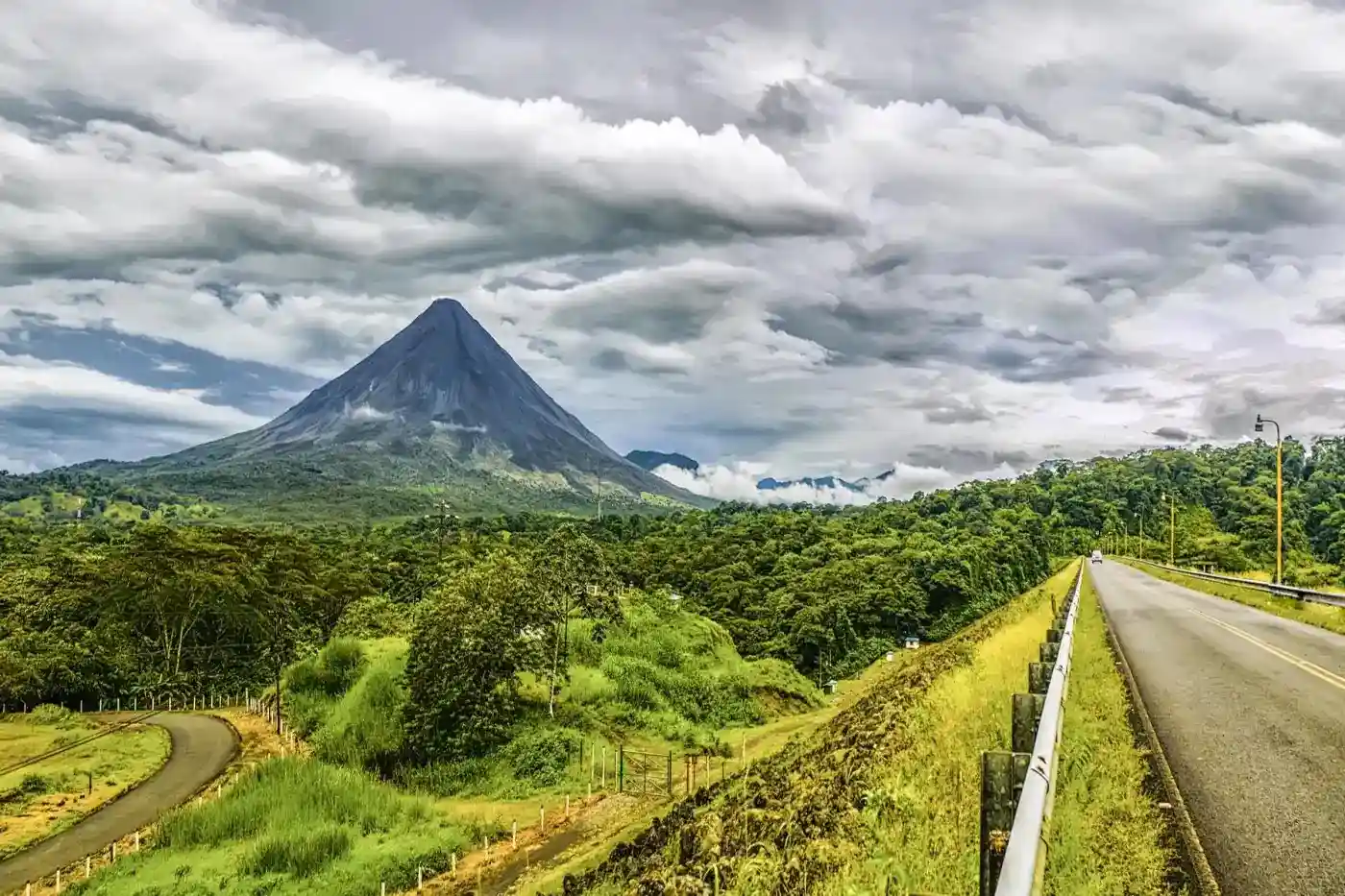
When you imagine your “Pura Vida” life in Costa Rica, you likely picture sun-drenched beaches, lush rainforests, and a pace of life that feels just right. This dream is absolutely attainable, especially here on our beautiful Gold Coast of Guanacaste. But beneath that idyllic surface lies a practical question we help our clients navigate every day: how will you get around? Answering the question, “should you keep a car in Costa Rica?” is about far more than transportation. It’s about consciously designing the very fabric of your daily life and personal freedom in paradise.
Making the right choice from the start is one of the keys to a seamless and stress-free life here. Let’s walk through it together.
Your Dream, Your Drive: A Car as a Lifestyle Choice
Here in Guanacaste, the lifestyle options are as diverse as the landscape. Some coastal towns, like the vibrant center of Tamarindo, are wonderfully compact and walkable. You can find incredible restaurants, charming shops, and pristine beach access all within a short stroll. In a community like this, you might discover that a golf cart, an ATV, or even just your own two feet are perfect for most daily needs.
Venture just a few kilometers outside these central hubs, however, and the experience changes. Hills become steeper, roads may turn from pavement to gravel, and the distance between your home and the nearest grocery store grows. This is where your personal vision for life in Costa Rica comes into focus.
For many who move here, a car isn’t just for errands, it’s an extension of their dream. If your vision involves discovering hidden waterfalls, exploring every remote beach, or visiting friends in different communities, then a vehicle unlocks those experiences. It gives you the freedom to set your own boundaries, rather than having them defined by bus schedules or taxi availability. This is especially true if you are drawn to the quieter, more secluded neighborhoods that offer incredible privacy and stunning views but require personal transport to connect with the wider community.
The Open Road Awaits: The Case for Owning a Car
While car ownership here has its unique considerations, the benefits for those looking to fully immerse themselves in the expat life are significant. It often transforms daily living from a series of logistical puzzles into a smooth, enjoyable experience.
Unrestricted Exploration and Adventure
One of the greatest joys of having your own vehicle is the absolute freedom to explore. Costa Rica’s most breathtaking spots are often not on a tour bus route. A car, particularly a 4×4 vehicle, empowers you to visit remote beaches, access national park trailheads at your own pace, and discover the authentic charm of inland towns.
The Convenience of Everyday Life
Beyond the grand adventures, a car simplifies the practical side of life on the Gold Coast.
- Groceries and Shopping: Larger supermarkets with the best prices and selection may be a 15 to 30-minute drive away. A car makes hauling groceries, especially for a family, far more manageable.
- Appointments and Errands: From medical visits in a larger town like Liberia to essential banking and administrative tasks, having your own transport makes these necessary trips much more efficient.
- Home and Hobbies: A car is your best friend when transporting surfboards, golf clubs, plants for your garden, or materials for a home project.
Peace of Mind in an Emergency
We all hope for a smooth and healthy life, but having a car provides a crucial layer of security. In a medical emergency, immediate and reliable transportation to a clinic or hospital is invaluable. This peace of mind is one of the most common reasons we hear from clients who choose to own a vehicle.
The Bumpy Road: Understanding the Real Cost of Owning a Car in Costa Rica
The freedom of the open road is appealing, but it’s essential to approach car ownership with a clear view of the responsibilities and costs. This is a key part of managing your cost of living and ensuring your life here remains as stress-free as possible.
The Sticker Shock: Purchase Prices and Import Taxes
The first thing you’ll notice is that vehicles, both new and used, are more expensive here. This is mainly due to high import taxes, which are calculated on a government-assigned value that can be higher than what you might expect. This tax can significantly increase your initial investment.
Your Annual Obligations: Marchamo and RITEVE
Owning a car comes with two non-negotiable annual requirements.
- Marchamo: This is your annual circulation permit and road tax, which is paid at the end of each year. The cost varies based on your vehicle’s value. It also includes basic mandatory third-party liability insurance from the INS (National Insurance Institute), though most owners purchase additional comprehensive coverage for true peace of mind.
- RITEVE (now DEKRA): This is the mandatory annual technical inspection. Your vehicle must pass tests on its brakes, lights, tires, and emissions to be eligible for the Marchamo renewal.
Maintenance, Mechanics, and Driving Conditions
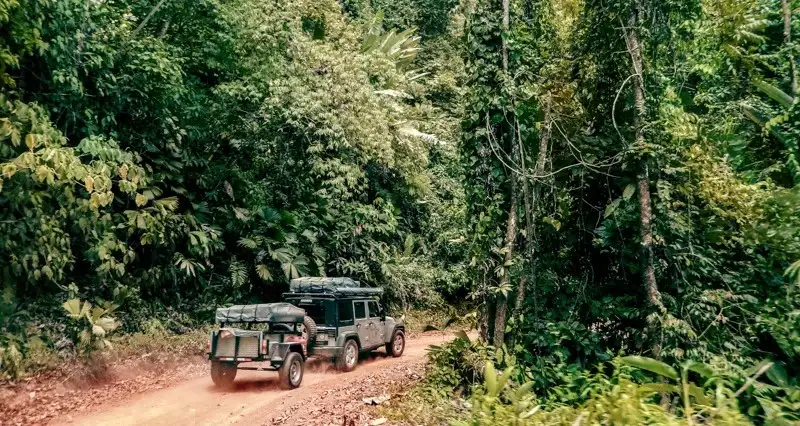
Keeping your car running smoothly is key. Road quality varies from perfect highways to unpaved tracks riddled with potholes, especially during the rainy season. This is where your lifestyle and neighborhood directly influence your needs.
If you dream of a home perched on a hill with breathtaking ocean views, a 4×4 vehicle is often essential. Many of these stunning properties are accessed by steep, unpaved roads. In contrast, if you’re in a flatter, more developed beach town like Playa Flamingo or the heart of Tamarindo, a standard car might be perfectly fine for most of your needs, though a 4×4 still offers greater flexibility for exploring.
Finding trustworthy local mechanics is important, and we are always happy to share recommendations from our decades of experience in the community.
Beyond Your Own Wheels: Excellent Alternatives to Owning a Car
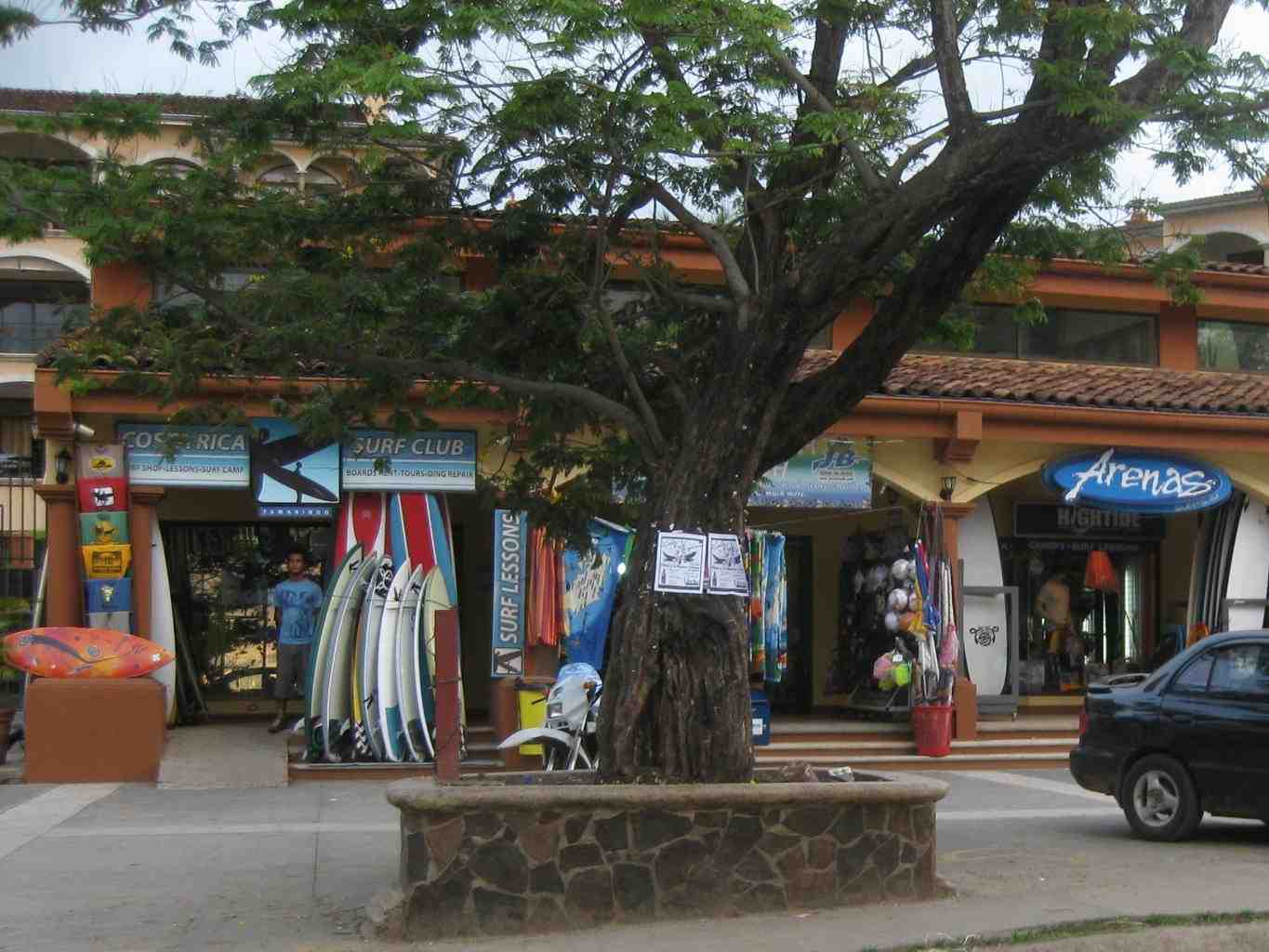
For many residents, a car-free or “car-lite” lifestyle is the perfect fit. There are several fantastic alternatives to owning a car in Costa Rica that reduce costs and hassles.
Taxis and Ride-Sharing
For quick trips, evenings out, or airport runs, taxis and ride-sharing apps are convenient and cost-effective. Official taxis are red and are a reliable way to get around town without the commitment of ownership.
Golf Carts and ATVs: The Charm of Neighborhood Cruising
In many beach communities like Tamarindo or Las Catalinas, a golf cart or ATV is the preferred mode of transport. They are perfect for zipping to the store, heading to the beach, or visiting a local cafe. It’s a relaxed, open-air way to embrace the local vibe. Just remember, if used on public roads, they must be properly registered and insured.
Public Transportation and Shuttles
Costa Rica has an extensive and affordable public bus system connecting towns across the country. For longer journeys, private shuttles offer a comfortable, convenient alternative to driving, allowing you to sit back and enjoy the incredible scenery.
A Balanced Approach: The Integrated Solution
The best strategy is often a blend of these options. You might use a golf cart for daily errands, a taxi for a nice dinner out, and rent a 4×4 for a weekend adventure. This flexible approach allows you to design a transportation plan that perfectly fits your life and budget.
Your Path to Pura Vida: Making the Right Choice
So, should you keep a car in Costa Rica? As you can see, the answer depends entirely on you. It’s a personal decision that hinges on your priorities.
- Your Neighborhood: How walkable is your chosen community?
- Your Lifestyle: Do you crave spontaneity and independent exploration, or are you content with local activities?
- Your Budget: Are you prepared for the upfront and ongoing costs of vehicle ownership?
- Your Comfort Level: Are you happy using local transport, or do you prefer the autonomy of your own car?
Your needs may also evolve. Many people start by renting a car for a few months to truly experience an area before committing. Others begin car-free and later decide to buy a vehicle for wider exploration. The journey is flexible.
Ultimately, our goal is to be your trusted partner. We’re here to help you navigate every aspect of your new life, from finding the perfect property to figuring out the practical details like transportation. We want to ensure your path to a fulfilling life on the Gold Coast is as smooth and joyful as possible, helping you make choices that serve your vision of paradise.
Frequently Asked Questions
What are the main annual costs of owning a car in Costa Rica? The primary annual costs are the Marchamo (a road tax and mandatory basic insurance paid at the end of each year) and the RITEVE inspection (a mandatory annual technical and safety inspection). You should also budget for comprehensive insurance, regular maintenance, and fuel, which contribute to the total cost of owning a car in Costa Rica.
Do I really need a 4×4 vehicle in Guanacaste? It depends entirely on your lifestyle and location. If you live in a flat, paved town center like Tamarindo or Playa Flamingo, a standard car is often sufficient. However, if you plan to live in the hills, on a property with an unpaved access road, or want the freedom to explore remote beaches and back roads, a 4×4 vehicle is highly recommended and often a necessity, especially during the rainy season.
How long can I drive in Costa Rica as a foreigner? As a tourist, you can legally drive using your valid foreign driver’s license for the duration of your visa stamp, which is typically 90 days. Once you become a legal resident, you will need to obtain a Costa Rican driver’s license.
What are the best alternatives to owning a car in a town like Tamarindo? In walkable towns like Tamarindo, many residents find a car unnecessary for daily life. Popular alternatives include golf carts and ATVs for neighborhood travel, bicycles for short distances, and local taxis for groceries or evenings out. This combination often provides all the necessary mobility without the costs associated with car ownership.