

Sea Turtle Nesting Costa Rica: Rules for Gold Coast Beaches
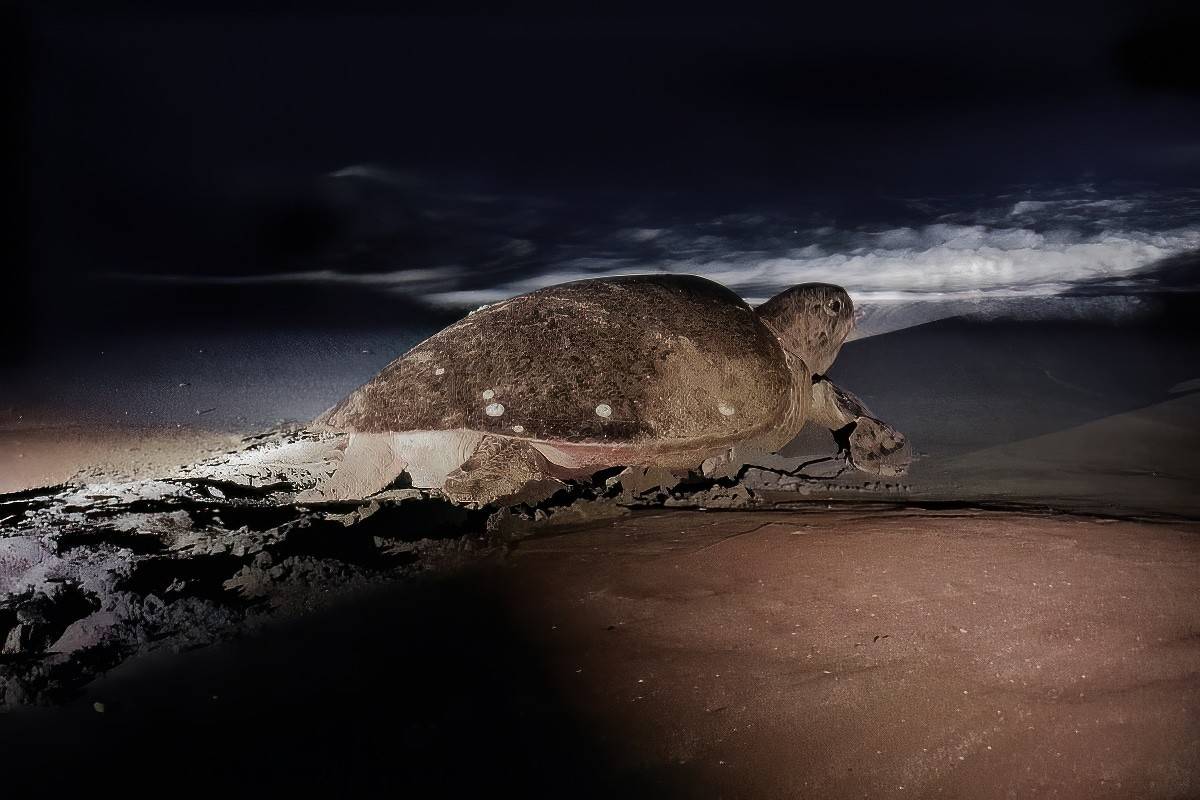
Sea turtle nesting Costa Rica is one of the most powerful natural experiences on the Gold Coast, connecting residents and visitors to the country’s deep conservation values. Witnessing turtles return to the beaches where they were born is unforgettable, but it comes with clear responsibilities. Understanding the rules that protect these ancient animals is essential to living the Pura Vida lifestyle respectfully and sustainably.
The desire to see a magnificent sea turtle emerge from the ocean, dig her nest, and lay her eggs under the moonlight is a natural one. It’s a quiet, powerful miracle that inspires awe. While the opportunity is special, it’s crucial to see it as a privilege, not a right. Our presence can impact these vulnerable creatures, which is why clear guidelines are in place to ensure their safety for generations to come.
Can You Be on the Beach While Turtles Nest? The Rules of Respectful Observation
So, are you allowed to be on the beach while turtles nest? The short answer is yes, but with critical caveats. This extraordinary experience is governed by national conservation laws and is best enjoyed under the guidance of certified local experts. Your journey to witness this spectacle is defined by following these rules with a commitment to responsibility.
Costa Rica is a global leader in conservation and has specific laws to protect its sea turtles. These regulations are designed to safeguard nesting mothers, their eggs, and their hatchlings from human disturbance. Understanding these foundational laws is the first step toward being a responsible member of our community.
To protect these ancient mariners, there are crucial actions to avoid. Even unintentional disturbances can have devastating consequences.
- Never use white light. This includes flashlights, phone screens, and camera flashes. Artificial light disorients nesting females and confuses hatchlings, leading them away from the ocean.
- Do not approach or touch the turtles. Maintain a significant, quiet distance. Sudden movements or noises can cause a turtle to abandon her nesting attempt. Touching them is illegal and harmful.
- Never take flash photography. The bright light is disorienting and stressful for the animals.
- Do not block a turtle’s path. Always allow her a clear route to and from the ocean.
- Leave the tracks undisturbed. Researchers use these tracks to identify species and gather important data.
It might seem harmless to simply watch from a distance, but the nesting process is incredibly sensitive. Even quiet observation without expert guidance can cause stress and disrupt natural instincts. True appreciation means prioritizing the animals’ safety over your own convenience. Your role isn’t just to be a passive witness, but an active participant in their protection.
Why the Rules Matter: Protecting Costa Rica’s Sea Turtle Species
Sea turtles embark on one of nature’s most extraordinary journeys. After maturing for 15 to 30 years, a female returns to the very beach where she was born to lay her eggs, a feat of navigation that still baffles scientists. This arduous migration requires immense energy. Once on shore, she digs a nest, deposits her clutch, and returns to the sea, leaving her offspring to face the world alone.
From the moment they hatch, sea turtles face overwhelming odds. Natural predators are numerous, and only a tiny fraction will survive to adulthood. Human activities amplify these challenges. Poaching, coastal development, plastic pollution, and accidental capture in fishing gear all threaten their populations. Our presence on nesting beaches, if not managed carefully, can make the odds even steeper.
The beaches of Guanacaste, our beloved Gold Coast, are vital nesting grounds for thousands of turtles each year. These sandy shores are ancestral nurseries, chosen by generations of turtles for their ideal conditions. Protecting these specific stretches of coastline is a global imperative.
Costa Rica’s Ministry of Environment and Energy (MINAE) and the National System of Conservation Areas (SINAC) work with local organizations to enforce strict regulations at nesting sites. Their commitment ensures that the magic of turtle nesting remains for generations to come.
Species Spotlight: Our Guanacaste Turtles
On our Gold Coast, two species capture our hearts most often:
- Olive Ridley Turtles: Known for their synchronized mass nesting events called arribadas, especially at sites like the Ostional Wildlife Refuge, these smaller turtles arrive by the thousands. Watching them is a beautiful challenge in conservation.
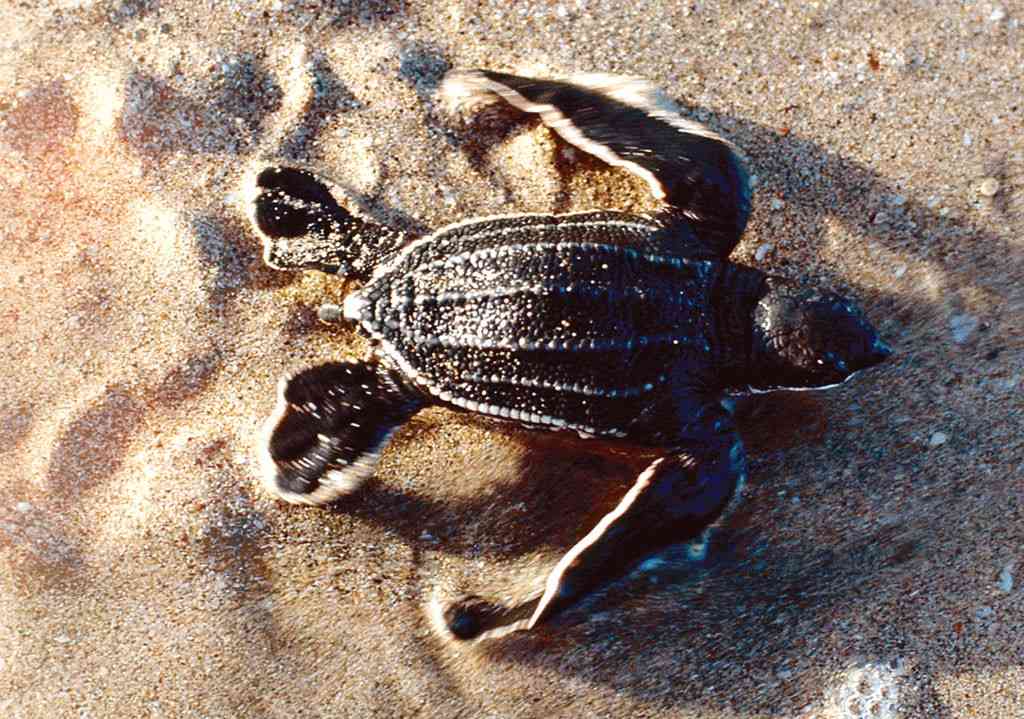
- Leatherback Turtles: The largest of all sea turtles, these magnificent, critically endangered creatures are a precious sight. They are named for their unique leathery shell. Their nesting on our shores requires the utmost care and respect.
Essential Etiquette for Gold Coast Beaches
Understanding the rhythm of nature is key to respectful observation. While some nesting occurs year-round, distinct seasons mark peak activity on the Gold Coast.
- Olive Ridley Nesting: Generally peaks from July through December.
- Leatherback Nesting: Typically occurs from October through March.
While some beaches are famous nesting sites, turtles can appear on any suitable stretch of sand. Being aware of these timings helps us stay observant, even during a casual evening stroll.
The Critical Impact of Light Pollution
Imagine navigating by the stars, only to be blinded by harsh, sudden lights. This is the reality for sea turtles facing artificial light from our homes and phones. Nesting mothers need natural darkness to feel safe. For hatchlings, light pollution is even more dangerous. They instinctively follow the brightest horizon, which should be the moonlight on the ocean. Inland lights can draw them away from the sea, where they perish.
When you are fortunate enough to encounter a nesting turtle, remember you are witnessing an ancient ritual. Keep a minimum distance of 50 feet (about 15 meters), remain silent, and never use any form of white light. If your guide permits it, they will use a special red-light flashlight, which is less disruptive. Never interfere with her journey, she knows exactly what to do.
Our beaches are more than just recreational areas, they are critical ecosystems. Before you leave for the day, please clear your path. Remove all beach chairs, umbrellas, and toys. Fill in any holes you dug. And, of course, leave no trace. Carry out everything you carry in, just as the local saying goes, “Lleve su basura, no deje rastro.”
Costa Rica takes the protection of its wildlife very seriously. Disturbing or harming sea turtles, their nests, or their eggs is illegal. Violations can result in significant fines and even imprisonment. Respecting these laws is a fundamental part of embracing life here on the Gold Coast.
Your Best Path to Observation: Guided Turtle Tours
The most responsible and rewarding way to witness this ancient ritual is through a certified, local guided tour. It is an investment not just in your experience, but in the future of these magnificent creatures. Licensed local guides have an intimate knowledge of nesting cycles, species behavior, and the strict regulations for watching sea turtles in Guanacaste.
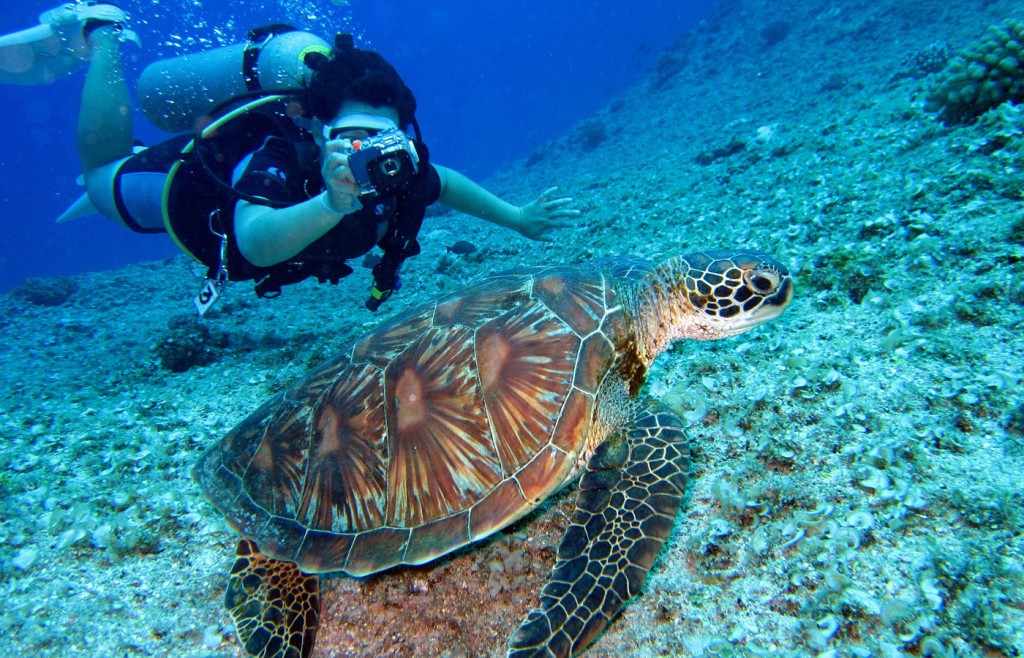
A reputable tour prioritizes the turtles’ well-being. This means small group sizes, maintaining silence, and prohibiting flash photography or bright lights. They ensure a safe distance is kept, allowing the turtles to proceed with their vital mission undisturbed.
Selecting a Responsible Tour Operator
Choosing the right guide is crucial for an ethical experience. Before you book, we recommend asking a few key questions:
- Are your guides officially certified for turtle tours?
- What are your rules for group size, light use, and distance from the turtles?
- How do your tours support local conservation efforts or research?
- What species might we see, and what are our realistic chances?
By choosing a guided tour, you are not just buying an experience. You are actively investing in responsible wildlife tourism in Costa Rica. The fees often fund park rangers, beach patrols, and educational initiatives. Many guides are front-line protectors, reporting illegal activities and helping protect vulnerable nests.
A typical night tour begins with a briefing on turtle biology and the rules for your visit. You’ll wear dark clothing and walk quietly on the beach under the stars. Patience is key. When a turtle is found, your guide will position the group at a respectful distance to observe her incredible work. It is a profoundly humbling and quiet spectacle.
Gold Coast Sanctuaries: Key Nesting Sites to Know
The Gold Coast is blessed with several critical nesting sites, each with its own story of sea turtle conservation.
- Las Baulas National Marine Park: Near Tamarindo, this park was established to protect the critically endangered Leatherback sea turtle at Playa Grande. Access to this beach at night is strictly regulated and only permitted with certified park guides during nesting season.
- Ostional Wildlife Refuge: Famous for the extraordinary arribada phenomenon, Ostional is where thousands of Olive Ridley turtles come ashore to nest over several days. Access during an arribada is highly controlled, and visitors must enter with local, certified guides.
- Other Guanacaste Beaches: While Las Baulas and Ostional are the most famous, smaller populations of Olive Ridley, Green, and even Hawksbill turtles nest on other secluded sands. Always inquire with local experts about regulations in any area you plan to visit.
Access to these sites, especially within national parks, requires an entrance fee and the company of an authorized guide. Attempting to enter independently is illegal and can jeopardize conservation efforts. Local guides are not just recommended, they are often a requirement for both legal access and your safety.
Beyond Tourism: Living Harmoniously with Nature
Moving to the Gold Coast invites you into a deep relationship with nature. Here, the privilege of living amidst such biodiversity comes with a joyful responsibility. We find our residents quickly embrace this connection, understanding that true enjoyment comes from respect and stewardship.
The phrase Pura Vida is a philosophy that celebrates a profound connection to the natural world. As a resident, you become a steward of this extraordinary environment. It’s about recognizing that we share our home with magnificent wildlife, and our choices directly impact their well-being.
If you own a home near the coast, simple adjustments can make a profound difference. Use downward-facing, red, or amber-colored exterior lights to avoid disorienting hatchlings. Choose native plants for landscaping and ensure there are no physical barriers on your property that could impede a turtle’s path to the sea.
A wonderful way to integrate into the community is by supporting local sea turtle conservation initiatives. Your donations or volunteer time can directly fund patrols, research, and educational programs. This provides a deep sense of purpose and transforms you from a resident into a true guardian of this paradise.
At Coastal Realty, our connection to the Gold Coast runs deep. We believe in the long-term stewardship of this incredible environment and actively promote sustainable living practices. We partner with and support local conservation organizations, ensuring our success contributes directly to protecting the very beauty that draws us all here.
When you choose to live on the Gold Coast, you are investing in a future where nature and community thrive together. This is a place where respect for wildlife is a fundamental, shared value. Your presence helps build a community that understands its true wealth lies in the health of its oceans, forests, and the magnificent creatures that call them home.
Frequently Asked Questions
Can I watch turtles nest on my own without a guide? In protected areas like Las Baulas National Marine Park or Ostional Wildlife Refuge, you are required to have a certified guide. On other beaches, going alone is strongly discouraged. Guides are trained to spot turtles without disturbing them and ensure both your safety and the turtle’s safety, according to Costa Rica wildlife laws.
What is the best time of year to see sea turtles in Guanacaste? It depends on the species. For Olive Ridley turtles, especially the arribadas in Ostional, the peak season is generally July through December. For the giant Leatherback turtles at Playa Grande, the nesting season typically runs from October through March.
What kind of flashlight can I use on the beach at night? You should not use any personal flashlights, as white light can disorient turtles. Certified guides use special red light flashlights, which are far less disruptive to the turtles’ vision and behavior. Always follow your guide’s instructions regarding light use.
Are the rules for watching turtles the same on every beach? While the core principles of no lights, no touching, and keeping your distance apply everywhere, specific regulations can vary. National parks and wildlife refuges have the strictest rules, often requiring mandatory guides and entry permits. It’s always best to check local rules before you go.
How can I be sure a turtle tour is ethical and responsible? Ask if their guides are certified by MINAE or SINAC. A responsible operator will have clear, strict rules about small group sizes, maintaining distance, and prohibiting flash photography. They should also be able to explain how their tours contribute to local sea turtle conservation efforts.