

How Do You Pay Your Utilities in Costa Rica?
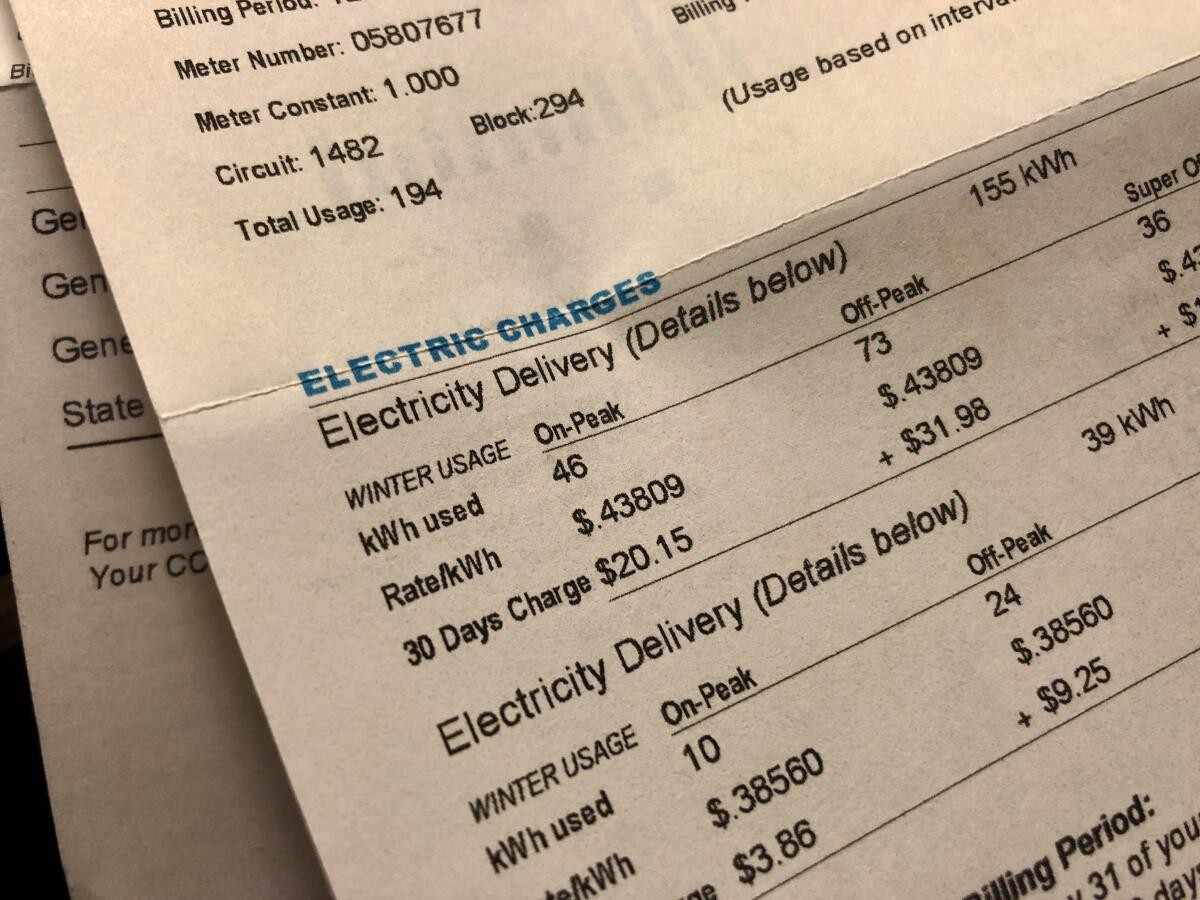
Paying utilities in Costa Rica is one of the most important steps to enjoying a stress-free life in your new home. Once you understand how electricity, water, and internet bills work—and the simple ways to pay them—you can manage your property with confidence, whether you live here full-time or from abroad.
You’ve found your slice of paradise in Costa Rica, a place where the rhythm of life is set by the ebb and flow of the tides and the warm embrace of the sun. But as many new homeowners discover, the true key to unlocking that blissful ‘Pura Vida’ feeling isn’t just about enjoying the sunsets. It’s about mastering the simple logistics of daily life, like paying your utility bills, so your dream home remains a source of joy, not stress.
As local experts with over two decades of experience helping people settle into the Guanacaste and Gold Coast lifestyle, we’re here to guide you through it. This article will answer the common question, “How do you pay your utilities in Costa Rica?” and turn a potentially confusing task into a simple, worry-free process.
Decoding Your Bills: A Guide to Costa Rican Utility Providers
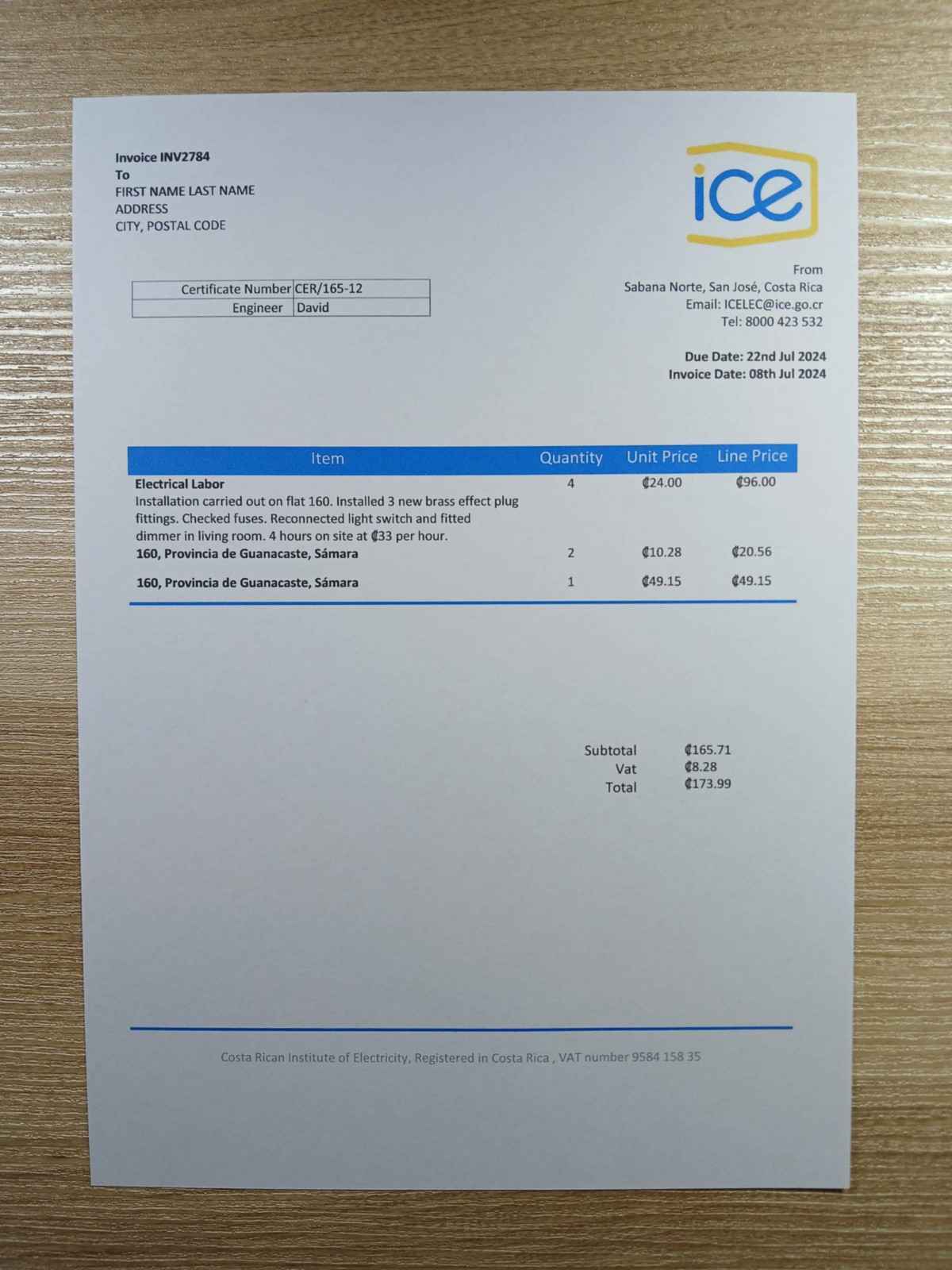
First, let’s get to know the names you’ll see on your monthly statements. While the companies might be new to you, their services are familiar.
Electricity: ICE and Regional Cooperatives
The main national provider for electricity is the Instituto Costarricense de Electricidad, universally known as ICE. They manage most of the country’s power grid. However, in certain regions, you’ll be served by a local cooperative. Here in Guanacaste, for example, that provider is often Coopeguanacaste. Other areas have their own, like Coopelesca or CNFL. While each has its own bill format, the service is consistently reliable.
Water: AyA and Local ASADAs
Your water will likely come from one of two sources. The national water and sewer company is Acueductos y Alcantarillados, or AyA, which covers most larger towns. In more rural or developing communities, water is managed by local associations called ASADAS (Asociaciones Administradoras de Acueductos y Alcantarillados Comunales). These are community-run organizations, and their billing process is often more localized, sometimes requiring payment at a small local office.
Internet and Communications
Staying connected is essential, especially for expats living in Costa Rica or managing a property from afar. The main providers for internet and mobile services include Kölbi (the brand from ICE), Liberty, Claro, and Tigo. High-speed fiber optic internet is becoming more common, but availability varies by exact location, so it’s always worth checking what services are offered directly at your address.
Understanding Your Monthly Bill
Every bill, regardless of the provider, will have a few key details you’ll need for payment.
- Account Number: This is your unique identifier, often called “Número de Cliente” or “NIS.” You’ll need it for every payment.
- Total Amount Due: The total you owe, listed as “Monto a Pagar.”
- Due Date: The payment deadline, or “Fecha Límite de Pago.”
Paying on time is important. Late payments can result in extra fees and, eventually, service interruption. A reconnection process involves paying your balance plus an additional fee, so staying current is the easiest way to keep your home running smoothly.
Paying in Person: The Traditional Local Method
Even in our digital age, paying bills in person remains a common and reliable practice in Costa Rica. It offers a straightforward way to get a stamped receipt and immediate confirmation of payment.
Where to Pay
You have several convenient options in most towns.
- Utility Offices: You can always go directly to the local office of the provider, like ICE or AyA.
- Banks: Nearly all local banks, including Banco Nacional (BNCR) and Banco de Costa Rica (BCR), accept utility payments at their teller windows.
- Payment Centers: Look for shops with signs for “BN Servicios,” “ServiMas,” or “Coopemep.” Even a local post office (Correos de Costa Rica) can often process your payments. These are one-stop shops where you can pay multiple bills at once.
What to Bring
To ensure a smooth transaction, you’ll need your utility bill (or at least the account number), a valid ID like your passport or DIMEX residency card, and Costa Rican Colones (CRC). While some larger locations accept cards, cash is universally accepted and often preferred.
This traditional method is great for direct interaction and practicing your Spanish, but it can be time-consuming due to lines and impossible if you’re not in the country. A simple “Buenos días” and a bit of patience go a long way.
How to Pay Your Utilities in Costa Rica from Anywhere

For modern convenience, especially for those living abroad, digital payments are the answer. Learning to pay bills online in Costa Rica can dramatically simplify your property ownership experience.
Using Online Banking Portals
If you have an account with a local Costa Rican bank, their online platform is your most powerful tool. Banks like Banco Nacional and Banco de Costa Rica have robust online services that consolidate bill payments. Within their portals, you can find a section for “Pago de Servicios” (Payment of Services). Here, you can add your utility account numbers and pay everything, from electricity and water to internet and municipal taxes, from a single, secure dashboard.
Directly on Utility Company Websites
Major providers like ICE and AyA also have their own online portals. You can register an account using your utility account number and a local ID. Once set up, you can view your usage history, see your current bill, and make payments directly with a debit or credit card. This is another excellent option for expats living in Costa Rica who want direct control over their accounts.
Paying from Abroad: A Lifeline for Overseas Owners
For many of our clients, the biggest concern is managing property needs from another country. This is where the systems above truly shine.
- Secure Remote Access: Your Costa Rican online banking can be accessed from anywhere in the world. We recommend using a secure connection and setting up any two-factor authentication your bank offers to ensure your account is protected.
- Funding Your Account: You will need to fund your local account to cover the bills. You can do this through international wire transfers from your home bank. Alternatively, services like Wise or Xoom often provide better exchange rates and lower fees for transferring money. Plan these transfers ahead of time to ensure funds are available before due dates.
- Granting Limited Power of Attorney: For ultimate peace of mind, you can grant a Limited Power of Attorney to a trusted representative in Costa Rica. This allows a designated person, such as a professional property manager, to handle financial transactions and other specific tasks on your behalf. It’s a secure, legally-sound way to have someone on the ground to manage things for you.
The “Set It and Forget It” Solution: Automated Payments
For the ultimate convenience, you can authorize your Costa Rican bank to pay your utility bills automatically each month. This is done through a system called direct debit (“Débito Automático”). At the heart of this is SINPE, Costa Rica’s highly secure national electronic payment system that connects all the banks.
To enroll, you can visit your local bank branch or set it up through your online banking portal. You’ll provide the utility provider’s name and your account number, and the bank will handle the rest. While automated, we still recommend checking your bank statements each month to ensure payments were processed correctly. This simple setup ensures you never miss a due date, giving you true, worry-free ownership.
The Ultimate Peace of Mind: Your Property Manager
While these methods make self-management possible, a professional property manager is your best ally for a truly seamless experience. They don’t just pay bills, they provide comprehensive care for your investment.
With our deep local knowledge and established relationships, we navigate the local systems with an ease that comes from years of experience. We handle everything from routine payments and maintenance to emergency response, like a burst pipe in the middle of the night. This proactive oversight protects your property and saves you from costly future repairs.
A property manager acts as your trusted partner, ensuring your Costa Rican home remains the source of joy and relaxation you envisioned. It’s the final step in transforming your property from a set of responsibilities into a pure ‘Pura Vida’ retreat.
Conclusion: Reclaim Your ‘Pura Vida’
Mastering the logistics of homeownership in Costa Rica is the key to a stress-free life here. By choosing the right payment method for your lifestyle, you can handle your responsibilities efficiently and get back to enjoying the sun, sand, and surf.
Whether you choose to manage payments yourself or decide to partner with a professional for complete peace of mind, you are now equipped with the knowledge to make it happen. Your Costa Rican dream is about embracing a life of beauty and relaxation. With these details handled, you can live that dream with confidence and joy.
Frequently Asked Questions
Can I pay my Costa Rican utility bills from the US, Canada, or Europe? Yes. The most effective way is to open a Costa Rican bank account and use its online banking portal, which is accessible worldwide. You can fund this account via international wire transfers or a service like Wise. Alternatively, a property manager can handle all payments for you.
What happens if I miss a utility payment in Costa Rica? If you miss a payment, a late fee will typically be added to your next bill. If payment is significantly overdue, the utility company may disconnect your service. Reconnection requires paying the full outstanding balance, all late fees, and an additional reconnection fee.
Do I need a Costa Rican bank account to pay my bills? While not strictly necessary for in-person cash payments, a Costa Rican bank account is highly recommended. It is essential for setting up online payments, automatic debits, and is the most convenient tool for managing your property’s finances, especially if you are not in the country year-round.
What is an ASADA and how do I pay them? An ASADA is a local, community-run water association common in rural areas. They manage the local water supply. Payment methods can vary, but it often involves paying in person at a small local office or a designated collection point in the community. Some may not have online payment options, making a local representative or property manager invaluable.