

Costa Rica Real Estate: 10 Things You Must Know Before Buying
Costa Rica real estate attracts buyers from around the world thanks to its legal security, relaxed lifestyle, and strong property rights for foreigners. Still, purchasing property abroad can feel intimidating without the right information. Understanding how ownership, legal protections, and due diligence work is the key to buying with confidence.
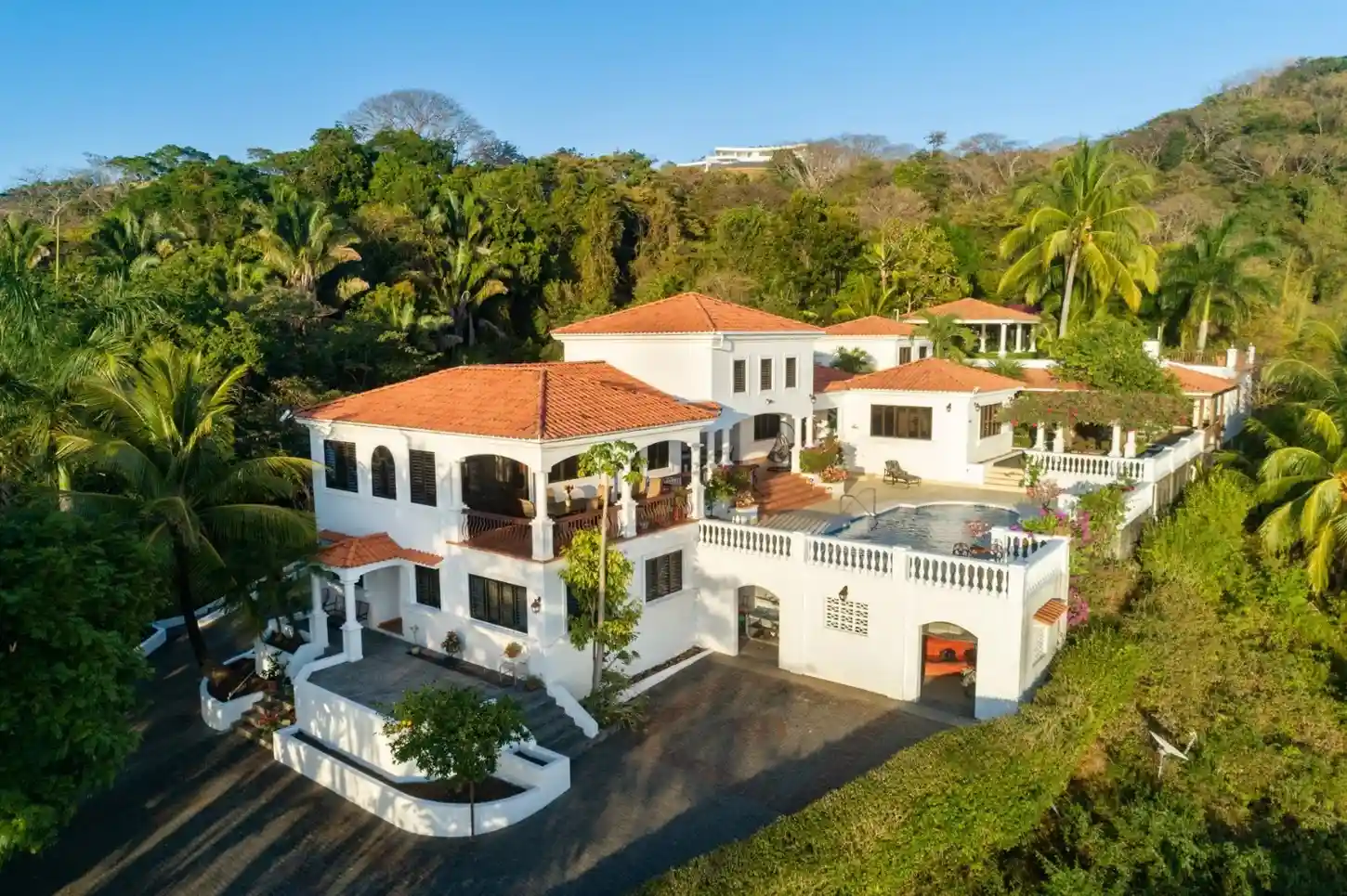
We’re here to reassure you that your dream of owning property in Costa Rica is not just achievable, but profoundly secure when approached with the right guidance. Since 2006, our team has dedicated itself to demystifying the process for international buyers just like you. We believe that with clear information and expert local support, the unique nuances of the market become part of what makes your investment valuable, not a source of worry. Here are the 10 things you should know about Costa Rica real estate to turn your dream into a reality with confidence.
1. Yes, Foreigners Can Securely Own Property
One of the first questions we always hear is, “Can a foreigner really own property here?” The answer is a resounding yes. Costa Rican law provides foreign nationals with the exact same property rights as its citizens. This legal equality is the cornerstone of a secure purchase. You can hold a property title in your personal name or through a corporation, and you have the full right to buy, sell, or pass the property on to your heirs. This robust legal framework is a primary reason why it is safe to buy property in Costa Rica, ensuring your investment is protected.
2. The National Registry Is Your Security Blanket
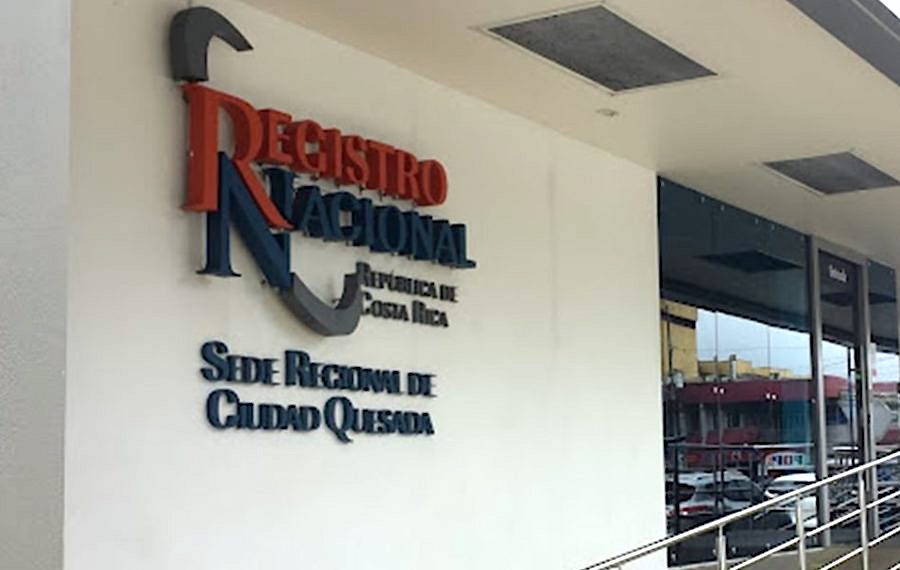
When we talk about security in Costa Rican real estate, the National Registry, or Registro Nacional, is the most important institution. It is a sophisticated, centralized public registry that records every piece of titled land in the country. Each property has a unique identification number (folio real), which allows anyone to look up its complete legal history. Before you make an offer, we conduct a thorough title search to uncover any liens, mortgages, or other encumbrances. This transparency is your greatest protection, ensuring there are no hidden surprises and that the property has a clean and clear title. Once the deed is registered in your name, your ownership is indisputable and backed by the state.
3. Corporate Ownership Offers Strategic Advantages
While you can own property in your personal name, most foreign buyers strategically choose to hold their property through a Costa Rican corporation, known as a Sociedad Anónima (S.A.). This isn’t about avoiding anything, it’s about smart planning. Think of an S.A. as a legal entity similar to an LLC in the United States. The corporation owns the real estate, and you own the shares of the corporation.
This structure provides several key benefits:
- Limited Liability: It creates a protective barrier between your personal assets and any potential liabilities related to the property.
- Simplified Estate Planning: Transferring corporate shares to your heirs is often far simpler and faster than going through a potentially lengthy probate process for the property itself.
- Ease of Transfer: When you decide to sell, transferring the corporation’s shares can sometimes streamline the transaction for both you and the buyer.
4. Understand the Closing Costs and Taxes
For a smooth purchase, it’s crucial to understand the finances beyond the sale price. In Costa Rica, you should budget between 2.5% and 4% of the purchase price for closing costs. This covers a combination of government taxes, stamp duties, and legal fees. The largest portion is the property transfer tax, set at 1.5% of the registered value.
Once you own your home, the ongoing financial responsibilities are refreshingly low. Annual property taxes are a modest 0.25% of the property’s registered value, paid to the local municipality. Other costs may include small municipal fees for services like trash collection and, if you own through an S.A., a small annual corporate tax to keep the entity active.
5. Your Professional Team Is Your Greatest Asset
Navigating a property purchase abroad is a team effort. Two roles are absolutely critical: your real estate agent and your Notary Public. In Costa Rica, a Notary Public is a qualified real estate attorney with the state-granted authority to draft, witness, and register property deeds in the National Registry. They are your primary legal guardian in the transaction, ensuring everything is done correctly according to Costa Rica real estate laws.
Your real estate agent is your trusted navigator on the ground. An experienced local agent provides invaluable market knowledge, helps you understand the nuances of different communities, negotiates on your behalf, and connects you with a network of other reliable professionals, from home inspectors to builders. This cohesive team works together to protect your interests at every step.
6. Know the Difference: Titled vs. Concession Property
A fundamental concept to grasp is the difference between titled and concession property. Titled property represents absolute ownership, just as you would expect back home. The land is registered in the National Registry, and you have full rights to it. For most foreign buyers seeking a secure, straightforward investment, this is the ideal choice.

Concession property is different. It is typically found in the protected Maritime Zone, which includes the first 200 meters of shoreline. A concession is not ownership but a long-term lease granted by the government, usually for 20 years and renewable. While it offers access to prime beachfront locations in areas like the Costa Rica Gold Coast in Guanacaste, it comes with a unique set of rules, restrictions, and complexities. It requires specialized legal counsel to ensure you fully understand the terms before committing.
7. Due Diligence Is Your Shield Against Mistakes
The due diligence period is the most important step in protecting your investment. This is a defined timeframe, usually 30-60 days, where your real estate attorney conducts a comprehensive investigation into the property. This is your chance to verify everything, from legal status to physical condition.
Your legal team will confirm clean property titles, check for liens or encumbrances, verify property boundaries with a survey map (plano), ensure all construction has proper permits, and confirm access to essential utilities like water and electricity. This process is your shield against costly mistakes and gives you the power to walk away with your deposit if any unsatisfactory issues are discovered.
8. You Can Manage Your Property from Afar
A common concern for international buyers is how to care for their property when they aren’t in the country. The solution is a professional property manager. These local experts act as your eyes and ears on the ground, handling everything from routine maintenance and security checks to full-service rental management. They ensure your home is cared for, coordinate any necessary repairs, and can even help your property generate rental income to offset costs. With a reliable manager, you can enjoy your home for a few weeks or months a year, confident that your investment is secure and well-maintained in your absence.
9. Embrace the “Pura Vida” Pace of Business
The country’s unofficial motto, “Pura Vida,” is a philosophy that shapes daily life, including business transactions. Things here often move at a more measured, deliberate pace than you might be used to. Relationships are built on trust, and processes, while secure, may not be instantaneous. Embracing this cultural rhythm with patience will make your journey far more enjoyable. Your local team is here to manage timelines and bridge any communication gaps, but approaching the process with an open mind and realistic expectations is key to a stress-free experience.
10. Choose the Right Local Partner
After helping hundreds of buyers since 2006, the single most important piece of advice we can offer is to choose the right local partner. A true expert does more than just show you listings. They offer deep local knowledge, an established network of trusted professionals, and an understanding of market trends that don’t make headlines. They act as your advocate, guiding you away from potential pitfalls and toward a successful investment. We see our role as a long-term partnership, one built on trust and a genuine commitment to helping you achieve your Costa Rican dream with confidence and peace of mind.
Frequently Asked Questions
Is it safe for a foreigner to buy property in Costa Rica?
Yes, it is very safe. Costa Rican law grants foreigners the same property rights as citizens, and the country has a centralized, public National Registry that provides clear and verifiable proof of ownership. The key to a secure purchase is working with a reputable real estate agent and an experienced real estate attorney to conduct thorough due diligence.
What are the closing costs when buying property in Costa Rica?
You should budget between 2.5% and 4% of the property’s purchase price for closing costs. This amount covers the 1.5% transfer tax, a 0.5% documentary stamp tax, notary fees, and registration fees. Your real estate attorney will provide you with a detailed estimate before you close.
Do I need to own property through a corporation in Costa Rica?
While not a legal requirement, owning property through a corporation, or Sociedad Anónima (S.A.), is highly recommended for most foreign buyers. This structure provides limited liability protection, simplifies estate planning for your heirs, and can make future sales transactions more straightforward.
What is the difference between titled and concession property?
Titled property provides absolute ownership rights, registered in the National Registry, and is the most common and secure form of ownership. Concession property, typically found along the coast in the Maritime Zone, is a long-term lease from the government, not direct ownership. It comes with more regulations and is a more complex type of holding.
How much are annual property taxes in Costa Rica?
Annual property taxes are significantly lower than in many other countries. The rate is just 0.25% of the property’s last registered value. These taxes are paid to the local municipal government where the property is located.