

Buy a Beach in Costa Rica: What’s Actually Possible
If you’re wondering how to buy a beach in Costa Rica, the answer is a little more nuanced than many people expect. Costa Rica’s coastline is protected by strict laws designed to preserve public access and the natural environment, which means you can’t privately own the beach sand itself. However, you can legally own stunning beachfront property or secure long-term rights to develop land directly along the coast. Understanding how Costa Rica’s Maritime Zone works is the key to turning the dream of beachfront living into a safe and legitimate investment.
The Truth About Buying Beachfront Property in Costa Rica
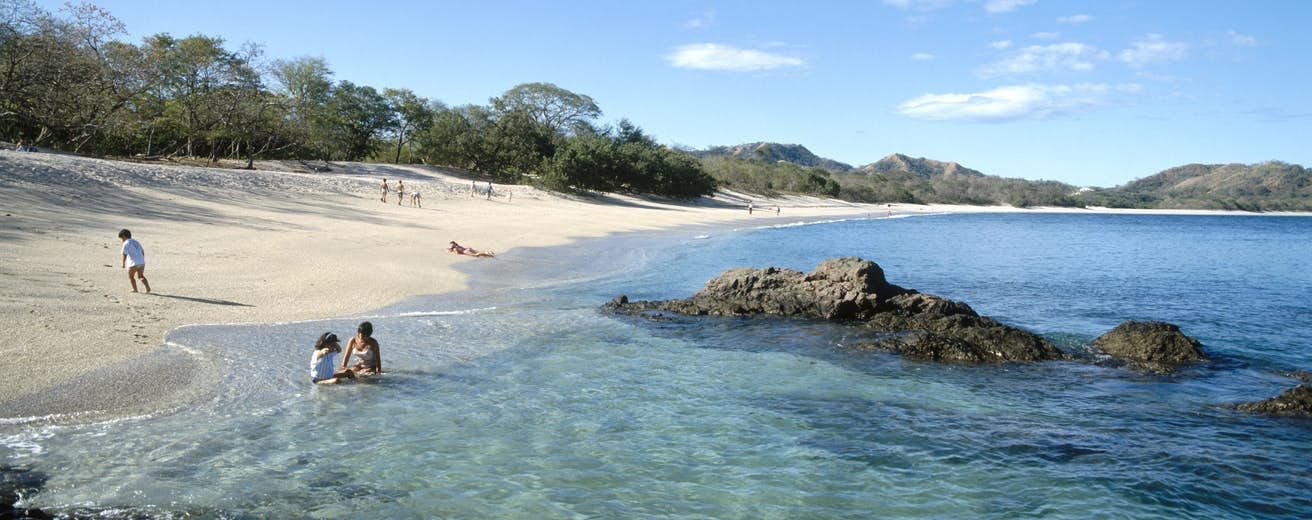
The dream of owning a home on Costa Rica’s breathtaking coastline is a powerful one. But the legal landscape here is unique, built to protect the natural beauty we all love. At its heart is the Maritime Zone Law, or Ley de la Zona Marítimo Terrestre (ZMT), enacted in 1977.
This important law was created to safeguard our coastline’s delicate ecosystems and ensure that the beaches remain accessible to everyone, forever. It reflects a deep national belief that our shores are a public treasure, not something to be privatized. This is why you can’t simply buy the sand itself. Instead, the law creates a secure, legal path to own a home with stunning beach access. Understanding this is the first step toward making your dream a reality, the right way.
The Public and Restricted Zones: What You Need to Know
The Maritime Zone Law divides the 200-meter strip of land measured from the high tide line into two distinct sections. Grasping this concept is essential for anyone looking for beachfront property for sale in Costa Rica.
The Public Zone (Zona Pública)
The first 50 meters inland from the high tide line is the Public Zone. This area is strictly public property. No private ownership or permanent construction is ever allowed here. This zone guarantees that everyone, residents and visitors alike, can walk the shoreline, swim, and enjoy the Pura Vida beach experience without obstruction.
The Restricted Zone (Zona Restringida)
Stretching for the next 150 meters inland is the Restricted Zone. While this is also public land, it’s where private use becomes possible through a government grant called a concession. A concession is a long-term, renewable lease, typically for 20 years, that gives you the exclusive right to use and develop a specific piece of land. This is the legal mechanism for most “beachfront” properties in Costa Rica, providing a secure and well-established way to enjoy coastal living.
What This Means for Your Investment
The ZMT has clear implications for any coastal investment. Because you can’t own land directly within the Maritime Zone, the concept of a concession property in Costa Rica becomes central.
- Development Rules: All building in the Restricted Zone must follow a specific land-use plan, known as a Plan Regulador. These plans dictate the type, size, and density of construction to ensure development is sustainable and harmonious with the environment.
- Your Responsibilities: As a concession holder, you are responsible for maintaining the property, paying a small annual fee to the local municipality, and following all environmental rules.
- Foreign Ownership: Foreigners can absolutely hold concessions. The most common and secure way to do this is through a Costa Rican corporation. With the help of a knowledgeable real estate attorney, you can structure this corporation to give you full, secure control over your investment while remaining fully compliant with the law.
Who Manages the Maritime Zone?
Administering the Costa Rica maritime zone law involves both national and local authorities. The national tourism board, ICT (Instituto Costarricense de Turismo), must approve the Plan Regulador for each coastal community. Without this master plan, no new concessions can be granted. Once the plan is approved, the local municipality takes over, managing concession applications, collecting fees, and issuing building permits. Navigating these two layers of government is where having an experienced local guide becomes truly indispensable.
Titled vs. Concession Property: Choosing Your Path to Paradise
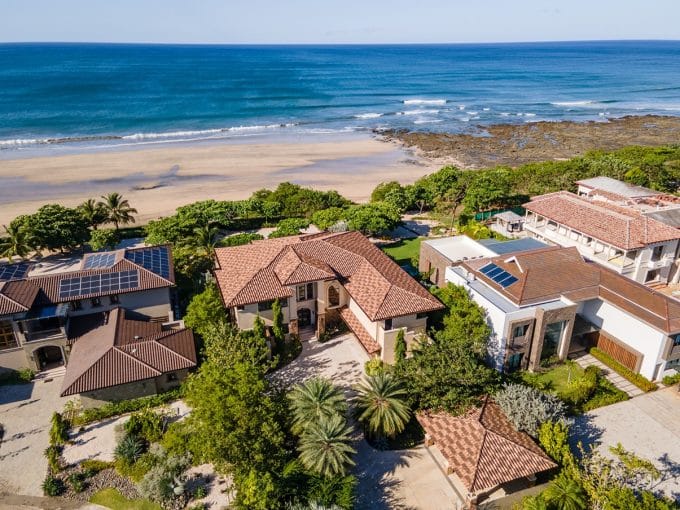
When looking to buy a home on the coast, you’ll encounter two primary types of property: fully titled and concession. Understanding the difference is key to making a confident and secure investment.
The Gold Standard: Fully Titled Beachfront Property
Titled property is the most direct and secure form of ownership, similar to what you might be used to in your home country. When you buy titled land, you own it outright. Your ownership is registered in your name or your corporation’s name in the National Registry (Registro Nacional).
This type of property generally lies just outside the 200-meter Maritime Zone or in rare areas that were privately owned before the 1977 law was passed. These properties are highly sought after because they offer the highest level of security and full rights to sell or develop, subject only to standard local zoning.
An Accessible Dream: Concession Property Explained
Concession land is your key to living within the coveted Maritime Zone. Instead of owning the land, you are granted a long-term lease from the government, managed by the local municipality. You own all the structures on the land, like your home, and have the exclusive right to use the land itself.
These leases are typically for 20-year terms and are renewable, provided you follow the rules. Concession properties often provide a more affordable way to live in prime beachfront locations, making the dream of an oceanfront home accessible to many.
Your Rights and Responsibilities as a Concession Holder
Holding a concession gives you significant rights that are very similar to full ownership. You can:
- Build and develop on the land, with the proper permits.
- Sell or transfer your concession rights to another person.
- Use the concession as collateral for certain types of loans.
In return, you have a few key responsibilities. You must pay an annual concession fee to the municipality, follow all environmental laws, and use the property in a way that aligns with the approved land-use plan.
Key Differences for Foreign Buyers
For anyone new to the area, especially those dreaming of retirement from afar, knowing these distinctions is vital to avoid costly mistakes.
- Ownership: Titled property is perpetual ownership of the land. Concession property is a long-term, renewable lease of the land.
- Location: Titled properties are outside the 200-meter Maritime Zone. Concession properties are located within it.
- Renewal: Titled ownership never expires. Concessions have a set term and require a renewal process with the municipality.
- Transfer: Transferring a titled property is a straightforward registration. Transferring a concession is also common but requires municipal approval, which can add a step to the process.
- Financing: It is generally easier to get traditional bank financing for titled property. Financing for a concession is also possible but may require more specialized lenders.
Evaluating the Risks and Rewards
Choosing the right property type depends on your goals and comfort level.
Titled Property
- Rewards: The highest level of ownership security and often a higher resale value due to their scarcity. This is the simplest and most familiar form of ownership for international buyers.
- Risks: A much higher purchase price and very limited availability in prime beachfront spots.
Concession Property
- Rewards: More affordable and available in the most desirable beachfront locations, offering a secure and legitimate path to living by the sea.
- Risks: Requires navigating a government lease system and a renewal process. However, with proper management by a legal expert, it is a very safe and common form of holding property.
A Step-by-Step Guide to Secure Your Beachfront Home
Embarking on the journey of how to buy a beach in Costa Rica can feel complex, but with a clear plan and the right partners, it’s a smooth and secure process. Here are the essential steps we guide our clients through every day.
Step 1: Define Your Dream and Property Type
Your journey starts with a conversation. What does your ideal coastal life look like? We’ll help you explore Costa Rica’s beautiful coastal regions, from the vibrant Guanacaste Gold Coast to the lush Southern Zone. Together, we’ll discuss your budget and goals to determine whether a titled or concession property is the best fit for your vision.
Step 2: The Due Diligence Imperative
This is the most critical phase for protecting your investment. You should never buy property in Costa Rica without a thorough due diligence review performed by your own independent real estate attorney. This is not a step to be rushed or skipped.
- Legal Review: Your attorney will conduct an exhaustive search at the National Registry to verify the property’s legal status. This confirms the seller’s right to sell, checks for any mortgages or liens, and ensures all property taxes are paid. For concession land, this includes a meticulous review of the concession agreement and its renewal status.
- Environmental and Zoning Review: We ensure the property complies with all environmental laws and local zoning regulations. This protects you from any hidden restrictions that could impact your ability to build or enjoy your property in the future.
Step 3: The Offer and Purchase Agreement
Once you’ve found your perfect spot and due diligence is underway, your attorney will draft or review the purchase agreement. This binding contract locks in the terms of the sale and is designed to protect you. It includes key details like the purchase price, payment schedule, and important contingency clauses that allow you to walk away if due diligence reveals any problems. Never sign an agreement until your attorney has reviewed it with you.
Step 4: The Closing Process and Property Registration
In Costa Rica, the closing is handled by a Notary Public, a specialized attorney who acts as a public official to record the transaction. The process is clear and secure:
- Fund Transfer: Your purchase funds are held securely in a registered escrow account until the closing is complete.
- Deed Signing: You and the seller sign the transfer deed (for titled property) or concession transfer document in the presence of the Notary.
- Registration: The Notary submits the signed deed to the National Registry. This is the official moment when ownership legally transfers to you.
- Final Payments: All transfer taxes and fees are paid at closing.
After registration, you receive your legally registered title or concession document, confirming your secure ownership.
Special Notes for Concession Properties
Acquiring a concession property involves a few extra checks. The transfer often requires formal approval from the local municipality, and we’ll ensure the current owner is fully up-to-date on all annual concession fees. Verifying that your intended use of the property aligns with the concession agreement is also a key part of our process.
Your Rights as a Foreign Owner
One of the best things about investing here is that Costa Rica welcomes foreign investment. You enjoy the same property rights and legal protections as citizens. Many of our clients choose to hold property in a Costa Rican corporation for added liability protection and easy estate planning. As property owners, you’ll be responsible for very reasonable annual property taxes and, if applicable, a small annual corporation tax. We can connect you with trusted accountants to handle these simple obligations.
Why Expert Local Guidance is Your Best Investment
When you’re buying property from afar, especially in a country with unique laws like Costa Rica, having a trusted expert on the ground isn’t a luxury, it’s a necessity. It’s natural to feel worried about making a costly mistake or being taken advantage of, but the right team transforms that fear into confidence.
For someone dreaming of a secure retirement, navigating the intricacies of the Costa Rica maritime zone law can feel overwhelming. This is where we come in. We act as your advocate, ensuring every detail is handled correctly and your interests are protected at all times. This means meticulously verifying titles, confirming property boundaries, and ensuring full compliance with local regulations. We are your eyes and ears on the ground, turning potential pitfalls into a clear, secure path forward.
The real estate market here runs on deep local knowledge and trusted relationships built over years. An experienced team understands true property values, knows which areas are poised for growth, and can connect you with reputable attorneys, surveyors, and escrow agents. These connections are priceless, streamlining the entire purchase and giving you peace of mind.
Since 2006, our team has been helping people from all over the world securely invest in Costa Rica’s beautiful coast. We don’t just sell properties, we build lasting relationships. Our job is to make the complex simple, providing transparent advice and meticulous oversight to ensure your investment is sound.
Our support doesn’t end when you get the keys. We are your long-term partners, ready to help with property management, connect you with reliable local services, and keep you updated on any legal changes that might affect you. We’re here to ensure your journey to owning a piece of paradise is as joyful and stress-free as you always imagined.
Your Secure Journey to Coastal Paradise Begins Here
The dream of a home on Costa Rica’s coast is absolutely achievable. While you may not own the sand itself, you can certainly own a stunning, legally secure piece of paradise along it. The key is to embrace the country’s protective laws and work with a knowledgeable guide to navigate them. True peace of mind comes not just from a beautiful view, but from knowing your investment is safe and your ownership is sound.
Key Takeaways for Your Journey
As you begin, keep these fundamental points in mind:
- The Maritime Zone Law is Your Guide: This law protects our coast and defines how property is owned within 200 meters of the high tide line.
- Titled vs. Concession: Titled property offers direct ownership, usually outside the 200m zone. Concession property provides secure, long-term rights within it. Both are safe and valid ways to own your dream home.
- Due Diligence is Essential: A thorough legal review by an independent attorney is the single most important step to protect your investment.
- Local Expertise is Your Best Asset: The complexities of coastal property demand a trusted local partner who can ensure a smooth, secure, and successful purchase.
For nearly two decades, we’ve served as that trusted partner for people just like you. We bridge the gap between your vision and the legal steps needed to make it a reality, offering clarity and security every step of the way. Our role is to transform your anxieties into confident decisions, safeguarding your investment so you can focus on the joy of your new life in Costa Rica.
Your journey to a coastal paradise is within reach. If you are ready to explore your options or simply have questions about how to buy a beach in Costa Rica, we invite you to connect with us. Let’s start the conversation and turn your dream into a secure reality.
Frequently Asked Questions
Can I literally buy the beach sand in Costa Rica?
No, you cannot. Under the Maritime Zone Law (Zona Marítimo Terrestre), the first 50 meters of coastline from the high-tide line is designated as the Public Zone. This land is public property and cannot be privately owned, ensuring it remains accessible to everyone. The dream of “buying a beach” is realized by acquiring property adjacent to this public zone.
Is a concession property a safe investment for a foreigner?
Yes, absolutely. A concession property is a very common and secure form of holding beachfront real estate in Costa Rica. It functions as a long-term, renewable lease from the government. When the purchase is handled correctly with thorough due diligence by an experienced real estate attorney, a concession offers secure and transferable rights that allow you to build, sell, and enjoy your property with confidence.
What is the main difference between titled and concession property?
The main difference is the nature of the ownership. Titled property means you own the land outright, and your ownership is perpetual. This is most common for properties located outside the 200-meter Maritime Zone. Concession property means you own the buildings and have a long-term, renewable right to use the land, which remains government property. This is the standard for properties located within the 150-meter Restricted Zone of the coast.
What is the most important first step to buy beachfront property in Costa Rica?
The most important first step is to engage a trusted team of local experts, including a reputable real estate agent and an independent real estate attorney who specializes in coastal properties. Their guidance is essential for understanding your options, navigating the unique laws, and conducting the thorough due diligence required to protect your investment and ensure a secure purchase.