

Bank at Banco Nacional Costa Rica: Is It Required?
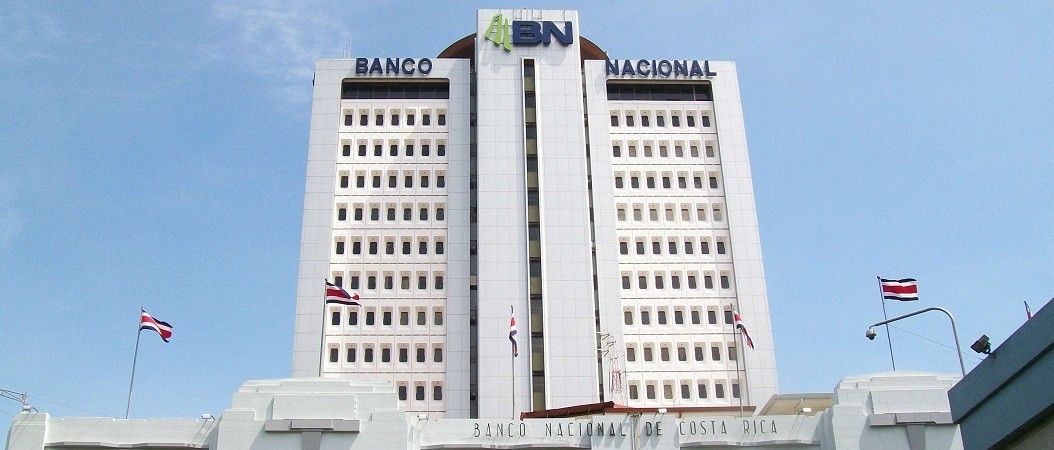
Do you have to bank at Banco Nacional Costa Rica to buy property or live here as a foreigner? This is one of the most common banking questions we hear from buyers planning a move to Costa Rica. The short answer is no — and understanding why gives you far more flexibility and confidence when managing your investment and daily life.
Let’s clear this up right away. The simple, direct answer is no. You are not legally required to bank with Banco Nacional to purchase property or live here.
This enduring myth likely persists because Banco Nacional is the nation’s largest and oldest state-owned bank, with a presence in nearly every town. Its visibility can easily lead newcomers to assume it’s a mandatory part of any official transaction. While it’s a reputable institution, Costa Rica has a healthy and competitive financial system with many excellent public and private banks ready to serve you. Understanding you have a choice is the first step toward feeling confident and in control of your investment.
Why a Local Bank Account is Your Key to Effortless Property Ownership
While your choice of bank is flexible, having a local Costa Rican bank account is truly essential. It’s the tool that transforms the complexities of being a foreign property owner into a smooth, manageable experience.
Seamlessly Handle Utilities and HOA Fees
Once you take possession of your property, you’ll have recurring expenses. Utility payments for electricity, water, and internet are most easily handled through a local account, often via direct debit. Homeowners’ Association (HOA) fees, common in many of our most desirable communities, almost always require a local payment method. Managing these from an international account is not only cumbersome but can also be slow and costly due to transfer fees and delays. A local account makes property management effortless.
Simplify Everyday Life as an Expat
Beyond property expenses, a local bank account simplifies daily life in paradise. Whether you’re shopping at the local market, paying for a gardener, or dining out in the vibrant communities of Guanacaste, a local debit card is invaluable. Many small businesses prefer local payment, and relying solely on international credit cards can lead to extra fees and less favorable exchange rates. It’s a simple change that brings unparalleled convenience to your new lifestyle.
Streamline Cross-Border Finances
A local Costa Rican bank account acts as the perfect bridge for your international finances. Instead of making multiple, small international transfers for various bills, you can send a single, larger amount to your local account. From there, you can easily pay all your local expenses. This approach gives you better control over exchange rates, reduces overall transaction costs, and ensures funds for your property and living expenses are always readily available.
A Guide to Opening a Bank Account in Costa Rica as a Foreigner
The good news for anyone looking to invest here is that the process to open a bank account in Costa Rica as a foreigner is well-established. Your options are generally divided into two categories.
Public and Private Banking Options
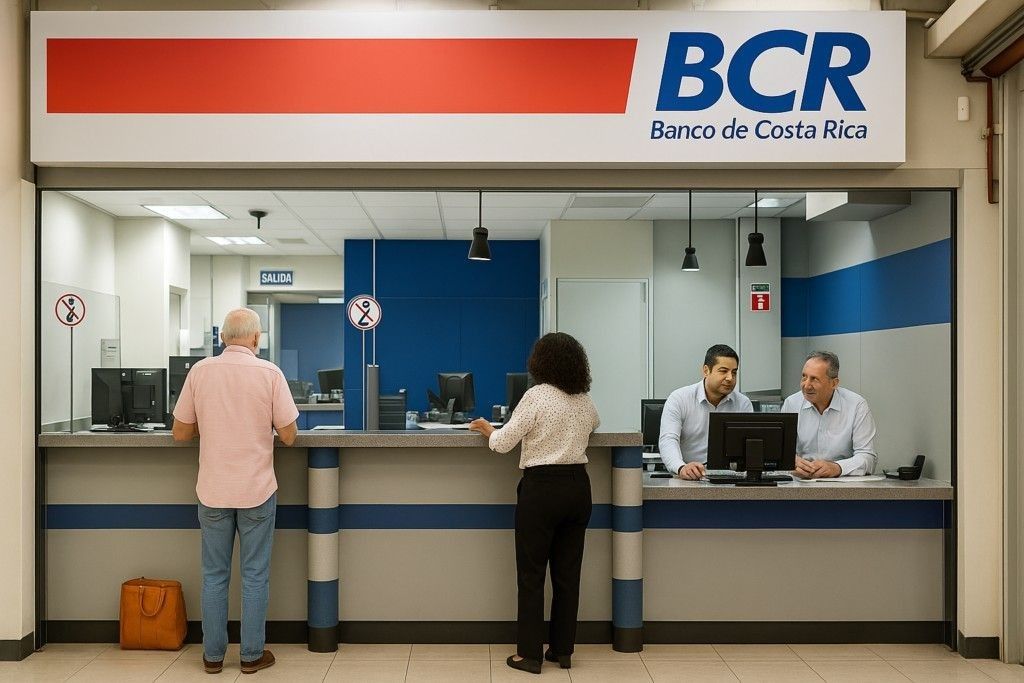
Costa Rica’s two largest state-owned banks, Banco Nacional de Costa Rica and Banco de Costa Rica (BCR), offer extensive branch networks that are especially convenient in more rural areas. They are stable, full-service institutions, though their processes for new foreign clients can sometimes feel more bureaucratic.

Private banks, including international names like Scotiabank Costa Rica, often cater specifically to an international and expat clientele. This can translate to more streamlined account opening processes and English-speaking customer service, offering a familiar comfort. We often find these are among the best banks in Costa Rica for foreigners due to their specialized services.
Regardless of your choice, every financial institution is regulated by the SUGEF (Superintendencia General de Entidades Financieras). This government body ensures that all banks adhere to strict international standards for security and transparency, giving you peace of mind that your investment is safe.
Documents You’ll Need to Get Started
To comply with global “Know Your Customer” regulations, all banks will ask for thorough documentation. Being prepared is the key to a smooth experience. While specifics can vary slightly between banks, you should generally have the following ready:
- Valid Passport: Your primary form of identification.
- Proof of Income Source: Documents showing where your funds originate, such as recent tax returns, pay stubs, pension statements, or bank statements from your home country.
- Proof of Address: A recent utility bill is standard.
- Residency Card (DIMEX): If you already have Costa Rican residency, your DIMEX card will make the process much simpler. Non-residents can still open accounts, but the process may require additional steps.
How Local Expertise Turns Banking Stress into a Seamless Experience
This is where having a trusted partner on the ground makes all the difference. Since 2006, we’ve guided hundreds of foreign buyers through this exact process. We don’t just point you in the right direction, we walk alongside you.
Our deep relationships with managers at local banks in the Gold Coast region and beyond mean we know exactly what they need and how to present it. We help you gather your paperwork, anticipate questions, and ensure your application is complete and compelling. This hands-on approach demystifies the bureaucracy and transforms a potentially stressful task into a straightforward step on your journey.
Our support doesn’t stop at the bank. We offer integrated guidance for your entire property journey, from the initial search and legal due diligence to closing and ongoing property management. We’re here to be your reassuring guide, ensuring every detail is handled with care.
Your Dream, Demystified
The journey to owning property in Costa Rica should be filled with excitement, not anxiety. The question of whether do you have to bank at Banco Nacional in Costa Rica is just the first of many we can help you answer with confidence.
By understanding that a local bank account is an essential tool, not a bureaucratic hurdle, you are already on the path to success. With diligent preparation and the support of a knowledgeable local partner, you can navigate the financial landscape with ease.
We invite you to reach out. Let us be your trusted guides, helping you turn the dream of owning a home in this beautiful country into a seamless and secure reality. We’re here to help you every step of the way.
Frequently Asked Questions
Is it hard for a foreigner to open a bank account in Costa Rica?
It’s not necessarily hard, but it is a detailed process that requires patience and thorough preparation. Banks are required by law (under SUGEF regulations) to perform strict due diligence. Having all your documents in order and working with a local expert to guide you can make the process significantly smoother.
What are the best banks in Costa Rica for foreigners?
The “best” bank depends on your individual needs. State-owned banks like Banco Nacional or BCR have the widest network of branches. Private banks like Scotiabank Costa Rica are often favored by expats for their English-language services and streamlined processes for foreign clients. We can help you choose the right fit based on your location and preferences.
Can I buy property in Costa Rica without a local bank account?
While it is technically possible to close a property deal using an escrow service without a personal bank account, it is highly impractical for long-term ownership. You will need a local account for essential ongoing expenses like utility payments, property taxes, and HOA fees.
Do I need to be a resident to open a Costa Rican bank account?
No, you do not need to have your residency (or DIMEX card) to open an account, but it does make it easier. Non-residents can still open accounts, though they may face more questions about the source of funds and the intended use of the account. The process is typically more straightforward for those starting their residency application.