

The Question of Comfort: Do You Need Air Conditioning in Costa Rica?
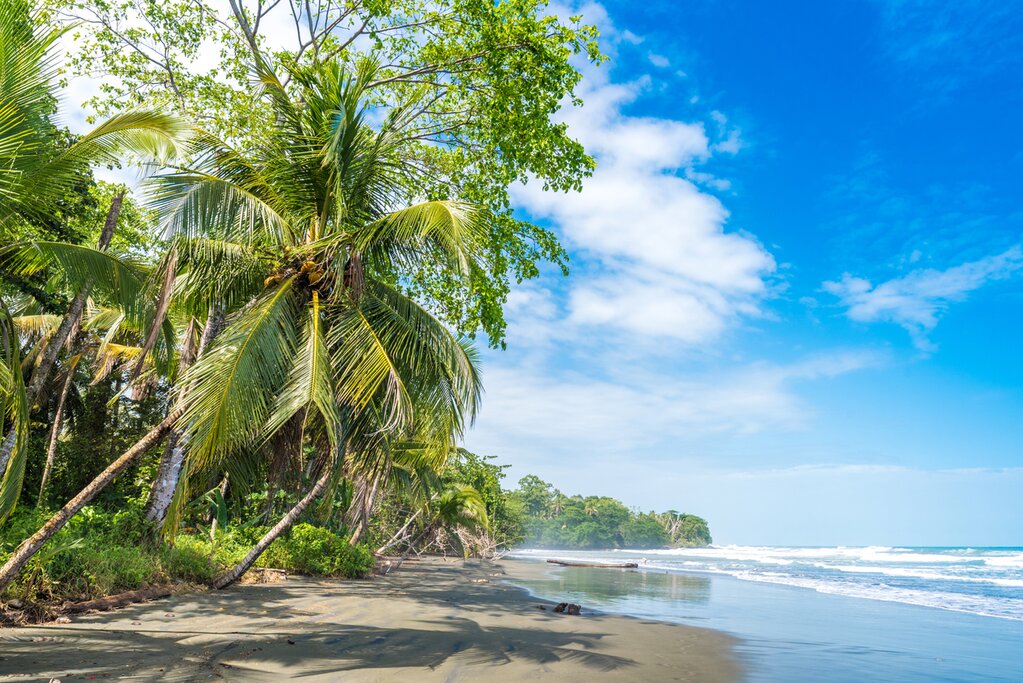
Air conditioning in Costa Rica is often assumed to be essential, especially for newcomers from cooler climates. But comfort on the Gold Coast depends just as much on location, design, and natural airflow as it does on temperature.
Many people arriving on the Gold Coast, especially from cooler climates, assume air conditioning is a non-negotiable comfort. They envision sweltering days and sleepless nights, leading them to filter property searches almost exclusively for homes with AC. While understandable, this common assumption can be misleading. It might cause you to overlook a truly perfect home that offers comfort in other, more sustainable ways. Letting a single appliance dictate your entire search is a rookie mistake we can help you avoid.
From our two decades of experience here, we know comfort is not a simple on/off switch. It’s a dynamic interplay of your home’s location, its design, and your personal acclimatization. We have seen countless clients navigate this exact question. The goal isn’t just to escape the heat, but to embrace the natural beauty and lifestyle that make living in Guanacaste, Costa Rica, so special.
When we talk about the “Gold Coast,” it is easy to picture one continuous stretch of hot, sandy beach. This region of Guanacaste is far more diverse than that. It includes a range of microclimates, from beachfront properties to hillside homes overlooking the ocean, and even properties nestled deeper inland. Each of these settings offers different breezes, sun exposure, and elevation, all of which dramatically impact the temperature and your comfort. A home on a breezy hill might feel completely different from one tucked into a sheltered valley, even if they are only a few miles apart.
Beyond the Thermostat: What Truly Determines Your Comfort
Understanding the Costa Rica Climate by Region: Guanacaste’s Seasons
Guanacaste, unlike some other parts of Costa Rica, has very distinct dry and green seasons that influence how you’ll feel at home.
The dry season, running from December to May, brings sunny days, lower humidity, and consistent Papagayo winds. These winds offer wonderful natural cooling, especially in well-designed homes. The green season, from May to November, brings more humidity and occasional afternoon rains. This can make the air feel warmer, even if the actual temperature is not much higher. Understanding these seasonal shifts helps you anticipate and adapt.
Humidity: Your Constant Companion
While temperature is a common concern, humidity plays an equally important role in your comfort. Guanacaste’s humidity levels fluctuate, particularly during the green season. High humidity makes the air feel heavy and can make you feel sticky and warm. Air conditioning is effective because it tackles both issues, cooling the air and removing humidity. However, smart home design and natural ventilation can also do wonders to manage humidity without constant mechanical cooling.
Your Personal Tolerance for Heat
This is perhaps the most personal factor of all. What one person considers comfortably warm, another might find stifling. Your tolerance for heat and humidity is shaped by where you have lived and your own preferences. Someone from a cold climate might find Costa Rica’s “cooler” months still quite warm. Taking an honest assessment of your own comfort thresholds is a crucial step in deciding how much you truly rely on air conditioning.
How Your Daily Routine Affects Your Cooling Needs
Your lifestyle will also influence your need for air conditioning. Do you plan to spend your days mostly outdoors enjoying the beaches and nature? Or do you envision a more indoor-focused life, working from home? If you are an early riser who enjoys the cooler mornings and evenings, perhaps with a siesta during the afternoon heat, your AC needs might be minimal. If you require consistent, cool temperatures for work or hobbies, then AC might become a higher priority.
The Gold Coast’s Secret Weapon: Microclimates and Natural Ventilation
You might think of the Gold Coast as one sprawling, sun-drenched paradise, but understanding its unique microclimates is the first step toward finding your ideal comfort zone.
Coastal Breezes vs. Inland Heat
Imagine standing right by the ocean. There, a consistent, gentle breeze often provides a natural cooling effect. This refreshing airflow is a signature of beachfront and near-coastal properties. Move just a few kilometers inland, however, and you might find the air feels stiller and the heat settles more deeply. The buffering effect of the ocean diminishes, and the climate takes on a different character. This distinction is vital when weighing your options.
The Role of Elevation on Hillsides and in Valleys
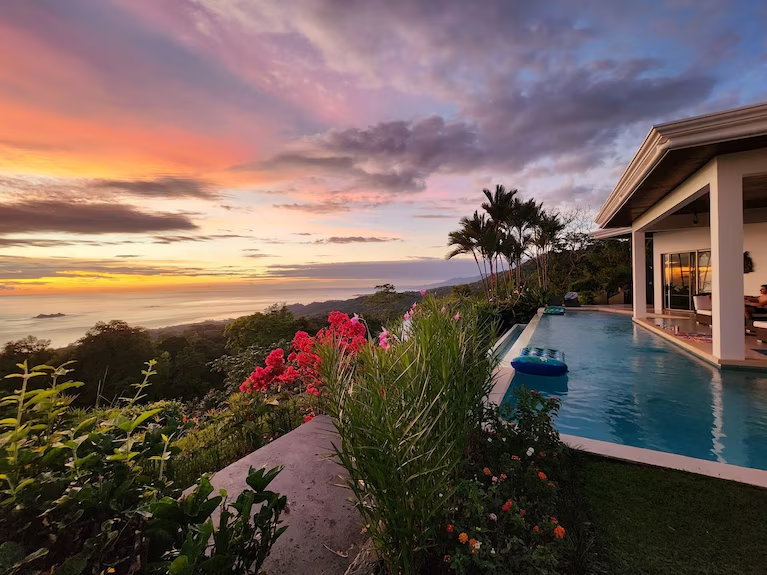
The topography of the Gold Coast plays a significant role. Homes perched on hillsides often benefit from fantastic panoramic views and, importantly, cooler temperatures and more consistent breezes. The elevation allows for better air circulation, preventing heat from getting trapped. In contrast, properties in lower valleys can sometimes experience warmer, more humid conditions, as the surrounding terrain can hold in the day’s heat.
Harnessing Wind Patterns for Natural Cooling
The Pacific coast is blessed with predictable wind patterns, especially during the dry season. A steady onshore breeze is a powerful ally in keeping homes cool without mechanical help. Homes designed to capture and channel these prevailing winds through their structure can feel significantly fresher. It’s not just about having windows, it’s about their strategic placement and the home’s orientation.
Strategic Home Placement, Shade, and Landscaping
Smart home placement works with the natural environment, not against it.
- Orientation: A home positioned to minimize direct afternoon sun on large windows and walls will naturally stay cooler.
- Shade: Mature trees can provide significant shade, dramatically reducing the heat load on a home.
- Landscaping: Thoughtfully designed gardens can create pleasant microclimates around your home, while hard surfaces like concrete absorb and radiate heat.
When considered together, these elements are far more effective than installing a powerful AC unit in a poorly designed home.
How Smart Architecture Embraces the Climate
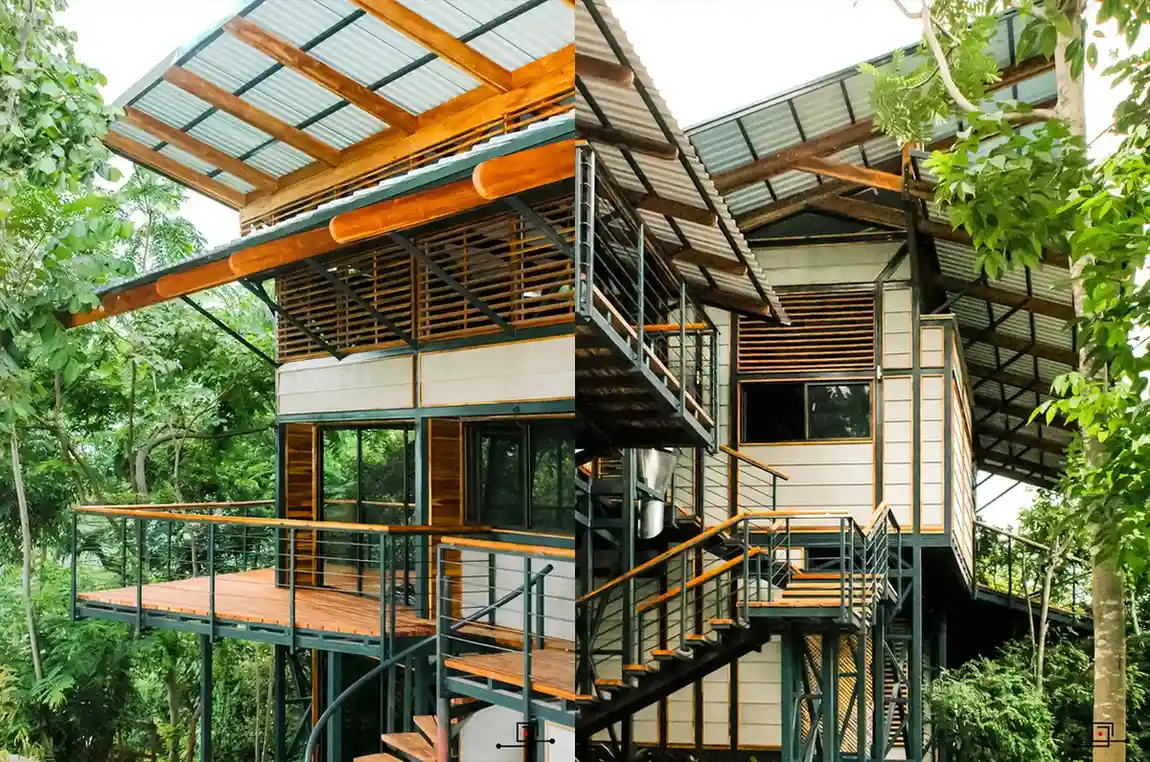
Beyond choosing the right location, the design of your home is paramount. Costa Rican architecture, especially in homes built with the local climate in mind, is an art form focused on natural cooling.
Maximizing Cross-Ventilation
Cross-ventilation is the hero of tropical living. It is the simple principle of designing a home with openings on opposite sides to allow air to flow freely. Open floor plans, louvered windows, and high ceilings all work together to let hot air rise and escape while pulling in cooler breezes. When a home is expertly designed for cross-ventilation, you feel a constant, gentle flow of air that keeps you comfortable even on warm days.
The Essential Role of Ceiling Fans
Ceiling fans are not an accessory here, they are a lifestyle essential. A good quality ceiling fan creates a significant cooling effect by moving air across your skin. They are incredibly energy-efficient compared to air conditioning and are almost universally present in local homes, proving their value.
Modern Insulation and Roofing
Preventing unwanted heat gain is just as important as letting air in. Modern construction in Costa Rica increasingly incorporates smart solutions. Light-colored or reflective roofing materials help bounce sunlight away, significantly reducing heat absorption. Insulation in ceilings and walls is also gaining traction, acting as a barrier to keep the indoor environment more stable.
The Practical Side: AC Costs, Usage, and Efficiency
When AC Becomes a Necessity
While a well-designed home in the right spot can keep you cool, there are times when air conditioning is a true necessity. For some, the afternoon heat can be genuinely draining, especially from February to April. If you have specific health conditions or allergies that require closed windows, AC may be essential for your well-being. Think about your personal tolerance. Your comfort is paramount to truly enjoying your new home.
Demystifying the Cost of Electricity in Costa Rica
Here on the Gold Coast, electricity is not inexpensive. The national provider uses a tiered system where the price per kilowatt-hour increases the more you consume. Running multiple AC units all day can lead to surprisingly high monthly bills. We have seen residents who are not mindful of their usage receive bills of several hundred dollars or more. Understanding the cost of electricity in Costa Rica is crucial for managing your monthly budget.
Smart Strategies for Reducing Your Bill
The good news is that modern air conditioning is far more energy-efficient. If AC is a must-have, look for units with inverter technology, which use significantly less power. Beyond the unit itself, smart usage can drastically reduce your electricity costs.
- Cool only the rooms you are using. There’s no need to cool the whole house if you’re just in the bedroom.
- Set a comfortable temperature. Most people find 24-25°C (75-77°F) is perfectly comfortable.
- Use ceiling fans with your AC. They help circulate cool air, allowing you to set the thermostat a bit higher.
- Seal your space. Close windows and doors tightly when the AC is running to keep the cool air inside.
Maintenance for Longevity
Like any appliance exposed to heat, humidity, and salt air, AC units require regular maintenance to perform efficiently. We recommend having your units serviced at least once a year. This service typically involves cleaning filters, checking refrigerant levels, and ensuring all components are running smoothly. Regular maintenance prevents costly repairs and ensures your system is there for you when you need it.
Your Path to Pura Vida: Making an Informed Choice
Define Your Unique Comfort Zone
Understanding your comfort needs goes far beyond an air conditioning unit. It is about the holistic picture of your life here. Are you someone who thrives in the heat, or do you prefer a cooler environment? Answering these personal questions is as important as any technical specification of a home.
Experience Your Future Home Firsthand
One of the most crucial pieces of advice we can offer is to experience a potential home in person, ideally at different times of the year. Visiting only during the breezy dry season might give you a different impression than experiencing the same property in the more humid green season. There is simply no substitute for firsthand experience.
Consult with Local Experts for True Insight
Online listings show beautiful photos, but they cannot tell you about the microclimate of a specific hill or the quality of construction. This is where a local expert becomes your most valuable asset. We know these nuances because we live them every day. We can walk through a property with you and point out how its orientation, windows, and materials will influence its comfort, matching the home to your personal profile.
Adapting to the Gold Coast Lifestyle
Moving to Costa Rica is more than just changing your address. It is embracing a new lifestyle. Over time, many people find their bodies adjust to the warmth. This adaptation is part of the Pura Vida journey. It’s about living in harmony with your surroundings and discovering new ways to stay comfortable that are unique to this beautiful part of the world.
The Answer to Your Comfort on the Gold Coast
When it comes to finding your ideal home here, true comfort is not about a single amenity. It is a balance of three crucial elements. It starts with the location, specifically the microclimate and natural breezes. It moves to the design of the home, including its orientation and cross-ventilation. Finally, it comes down to your personal preferences and how you embrace the tropical rhythm of life.
We often see newcomers focused on a single feature like AC, but tropical living invites a more holistic view. It is about living in harmony with your environment, appreciating the afternoon breezes, and enjoying shaded outdoor spaces. So, to answer the question, “Do you need air conditioning in Costa Rica?” The answer is that it depends on finding the right home, in the right place, for you.
Navigating these nuances can feel overwhelming. That is why having a trusted local expert by your side makes all the difference. We can guide you beyond superficial checklists to help you find a home that genuinely aligns with your vision for a happy and comfortable life in paradise.
Frequently Asked Questions
So, can I live comfortably in Guanacaste without air conditioning? Yes, absolutely. Many people live very comfortably without relying on AC. The key is choosing a home in a location with good breezes, like a hillside, and ensuring the home is well-designed with high ceilings, large eaves for shade, and excellent cross-ventilation.
How much does electricity cost in Costa Rica if I use my AC a lot? The cost of electricity in Costa Rica can be high, as rates increase with higher consumption. Running AC units frequently, especially older models, can lead to monthly bills of several hundred dollars or more for an average-sized home. Using energy-efficient units and smart cooling strategies can significantly lower this cost.
What is more important: a hilltop location or a home with good cross-ventilation? Ideally, you want both. However, if you had to choose, a home with exceptional cross-ventilation and design for passive cooling can be comfortable even in a less-than-perfect location. A poorly designed home will feel hot even on a breezy hill. A local expert can help you evaluate how these two factors work together in a specific property.
What are the Guanacaste dry season and green season really like? The dry season (December-April) is known for constant sunshine, blue skies, and strong “Papagayo” winds, which provide natural cooling. Humidity is lower. The green season (May-November) is characterized by sunny mornings, afternoon rain showers that cool things down, and higher humidity. The landscape becomes lush and vibrant during this time.