

How Fast Do Wire Transfers Appear in a Costa Rican Bank Account?
This is often the first question on our clients’ minds, and for good reason. When you’re making a significant investment like buying property, knowing your funds will arrive safely and on time is paramount. Generally, an international wire transfer from your home country to a bank in Costa Rica takes between two and five business days to appear.
While some transfers might happen faster, particularly between major international banks with direct relationships, it’s always wise to plan for the longer end of this window. This timeframe accounts for the multiple checkpoints your funds must pass through, including your originating bank, any necessary intermediary banks, and finally the receiving bank here in Costa Rica. Understanding this realistic timeline helps us align all the moving parts of your property closing, ensuring there are no last-minute surprises.
The term “business days” is crucial here, as it specifically excludes weekends and public holidays. It’s not just about the holidays in your home country, as Costa Rican bank holidays can also impact processing times, adding an unexpected delay if not accounted for. Each bank also has daily cut-off times for processing international wires. If you initiate a transfer after this deadline, it often won’t begin processing until the next business day, effectively adding a full day to the overall timeline.

To give you a clearer picture, let’s consider how this timeline plays out in real-world scenarios, which we’ve navigated countless times for our clients:
- Best-Case Scenario: You initiate a wire transfer early on a Monday morning from a well-established bank like Bank of America. The funds might arrive at the Costa Rican bank by Wednesday or Thursday, allowing two to three full business days for processing.
- The Weekend Effect: If you initiate the same transfer late on a Friday afternoon, it won’t begin processing until Monday. This means the earliest your funds could arrive would be Wednesday or Thursday of the following week, pushing the total time closer to five business days.
- Holiday Hurdles: Imagine transferring funds just before a long weekend or a bank holiday in either country. A transfer sent on a Thursday before a Monday holiday might not begin processing until Tuesday, immediately adding days to the timeline. A five-day transfer could easily become a seven or eight calendar day wait.
These examples highlight why meticulous planning is so important. We help our clients factor these critical details into their closing schedules, ensuring that funds are available precisely when needed, without creating undue stress.
Key Factors That Influence Your International Wire Transfer to Costa Rica
While it’s tempting to focus solely on the 2-5 business day estimate, understanding the variables that influence this timeline is crucial. Proactive preparation around these elements is what truly smooths the path for your funds.

Your Originating Bank vs. The Receiving Costa Rican Bank
The journey of your funds begins and ends with banks, and their individual processes play a significant role. Your home bank might have specific daily cut-off times and internal verification procedures. Similarly, the receiving bank in Costa Rica, whether it’s a major institution like Banco Nacional de Costa Rica or BAC San José, has its own operational hours and protocols for processing incoming international wires.
The Critical Role of Intermediary Banks
An international wire transfer to Costa Rica rarely goes directly from your bank to the receiving bank. Instead, it often travels through one or more “intermediary” or “correspondent” banks. Think of them as necessary pit stops on a long journey. These financial institutions facilitate the transfer between banks that don’t have a direct relationship. Each intermediary bank adds a step to the process, which can introduce additional processing time and, occasionally, minor fees.
The Importance of Accurate Beneficiary Details
This is perhaps the most critical factor for a smooth transfer. Even a single incorrect digit or a misspelled name can lead to significant delays or bounced funds.
- SWIFT/BIC Code: This is the international bank identifier code, unique to each bank. It’s essential for directing your funds to the correct institution.
- Account Number: The precise account number of the beneficiary is paramount. Double-check every digit.
- Beneficiary Name and Address: The full legal name and address of the account holder must match exactly what is on file with the receiving bank.
Any error in these beneficiary details can result in your funds being held or returned, which consumes valuable time during the real estate closing process.
Anti-Money Laundering (AML) Compliance Checks
Every international financial transaction is subject to stringent Anti-Money Laundering (AML) regulations and Know Your Customer (KYC) checks. Banks are legally obligated to scrutinize large transfers to prevent illicit activities. If your transaction triggers a flag, the bank may pause the transfer to conduct further due diligence, such as requesting documentation on the source of your funds. While vital for security, these checks are a common cause of unexpected delays.
Your Step-by-Step Guide to Sending Money to Costa Rica for Property
Navigating the wire transfer process for your Costa Rican property doesn’t have to be daunting. With our guidance and a clear plan, you can ensure your funds arrive securely and on time.
1. Gather All Essential Information
Preparation is your best friend. Before you start the transfer, ensure you have all the necessary information readily available.
- Beneficiary’s Full Legal Name and Address: This must match the name on the receiving bank account exactly. For property purchases, this is typically the escrow agent’s or attorney’s account.
- Beneficiary’s Bank Name and Address: The full legal name of the bank and its physical address.
- Beneficiary’s Account Number: The exact account number where the funds will be deposited. In Costa Rica, this is often a long number that may include an IBAN format.
- SWIFT/BIC Code of the Receiving Bank: This international code identifies the specific bank.
- Intermediary Bank Information: If required, you will need the name and SWIFT code of the correspondent bank.
- Purpose of Transfer: Clearly state the reason, for example, “Property Purchase Deposit” or “Escrow Payment for Real Estate Closing.”
- Your Attorney/Escrow Agent’s Instructions: Always defer to the instructions provided by your Costa Rican legal team, as they will have the most current and accurate details.
2. Initiate the Transfer from Your Home Bank
Once you have your details organized, you can initiate the transfer. Most large banks, like Wells Fargo or Bank of America, offer online international wire services. For larger sums or if you prefer direct assistance, visiting your local branch is a reliable method. Before finalizing the transaction, confirm all details, transfer fees, and the exchange rate that will be applied.
3. Understand the Role of Escrow Accounts
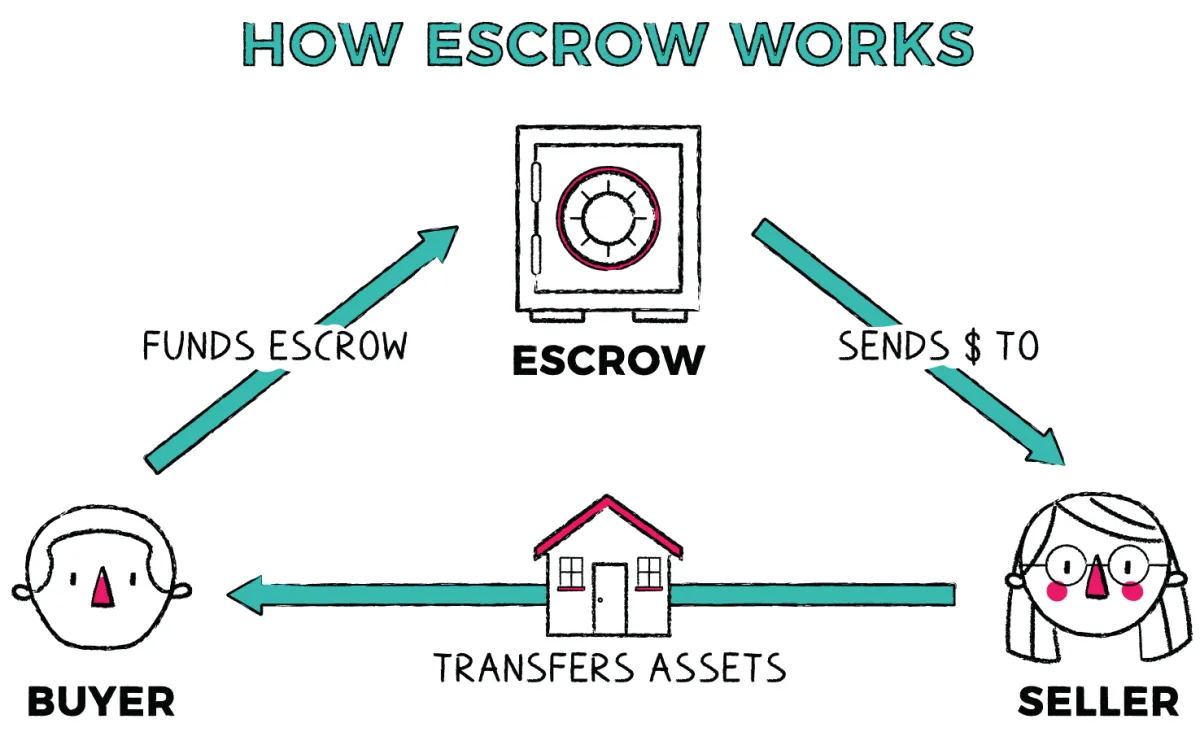
For property purchases in Costa Rica, your funds are almost never sent directly to the seller. Instead, they are transferred to a secure escrow account. This is a critical safeguard for you as the buyer. An escrow account acts as a neutral third party, holding your funds safely until all conditions of the sale agreement have been met. This mechanism protects your investment and provides peace of mind that your money is safe until the closing process is complete.
4. Verify Receipt of Your Funds
Once your transfer is initiated, the next crucial step is to confirm its safe arrival. Do not assume everything went smoothly, always verify.
- Contact Your Escrow Agent: Your legal representative in Costa Rica will be monitoring the escrow account and can confirm receipt as soon as the funds clear.
- Request Confirmation: Ask your attorney or escrow agent to provide you with written confirmation of the funds’ arrival.
- Follow Up: If the transfer takes longer than the expected 2-5 business days, follow up with your originating bank first, then with your Costa Rican team, to track the funds and address any potential issues.
The wire transfer is a vital piece of the larger property acquisition puzzle. Working with an experienced partner means you won’t navigate this alone. We collaborate closely with your chosen attorney and escrow agent, helping to coordinate timelines and ensure this financial milestone is as stress-free as possible.
How to Prevent Common Wire Transfer Delays
While international wire transfers are generally reliable, knowing the common pitfalls allows you to proactively address them. We’ve helped hundreds of clients through this, so we know exactly what to look out for.
- Incorrect Beneficiary Information: This is the most frequent cause of delay. Double and triple-check every digit in the account number and the spelling of the beneficiary’s name. An automated system will flag any mismatch.
- Missing Intermediary Bank Details: Many Costa Rican banks require you to include the routing instructions for their intermediary bank in the U.S. or Europe. Failing to provide these complete instructions can cause your funds to get stuck, waiting for further guidance.
- Ignoring AML Documentation Requests: Banks are legally obligated to verify the source of large international transfers. Be prepared to provide documents like recent bank statements or a copy of your passport. Responding promptly to these requests is crucial.
- Forgetting Local Banking Hours: Once an international wire transfer arrives at a Costa Rican bank, it often needs to be moved to the final beneficiary’s account via the local transfer system, known as SINPE. These transfers also operate within banking hours and can add a final layer of processing time.
To minimize delays, we strongly recommend proactive communication. Inform your home bank before you initiate the transfer about the amount and purpose of the funds. This simple heads-up can prevent an automated security flag and ensure a smoother process.
Your Confident Next Steps to Buying Property in Costa Rica
Successfully navigating the wire transfer for your Costa Rican property isn’t just about speed, it’s about meticulous preparation and expert guidance to prevent costly delays and ensure your funds arrive securely. For many of our clients, the idea of sending a substantial sum across borders can feel daunting, carrying with it the understandable fear of making a costly mistake from afar. This is where diligent preparation and a trusted, local expert by your side become invaluable.
Our experience since 2006 tells us that transparency and proactive communication are your best allies. We’ve witnessed firsthand how a seemingly small oversight can escalate into delays and unnecessary stress. By working closely with us, you gain a partner who understands both the international financial landscape and the specific nuances of Costa Rican banking, bridging any gaps and ensuring your transaction proceeds with confidence.
Your dream of owning a piece of paradise in Costa Rica should be an exciting journey, not one overshadowed by financial uncertainty. We are here to offer that reassuring hand, guiding you through each stage with clarity and support. We invite you to leverage our two decades of experience. Let us handle the intricate details, allowing you to focus on the joy of securing your perfect home. Reach out to us. We are here to ensure your property purchase journey is truly stress-free.
Frequently Asked Questions
What is the average time for an international wire transfer to Costa Rica? On average, an international wire transfer takes between 2 to 5 business days to arrive in a Costa Rican bank account. This timeline can be affected by weekends, public holidays in either country, and bank processing cut-off times.
What is the most common reason for wire transfer delays to Costa Rica? The most frequent cause of delays is incorrect or incomplete beneficiary information. Even a small error in the account number, SWIFT code, or the legal name of the account holder can cause the transfer to be held for verification or returned.
Do I need an intermediary bank to send money to Costa Rica? Often, yes. Many Costa Rican banks do not have a direct relationship with all foreign banks and use an intermediary bank (usually in the U.S. or Europe) to process incoming wires. It is critical to get these specific instructions from the receiving party to avoid delays.
Why do I have to send property funds to an escrow account instead of the seller? Using an escrow account is a crucial security measure in the Costa Rican real estate closing process. A neutral third-party escrow agent holds your funds securely and only releases them to the seller once all legal conditions of the sale have been met, protecting your investment from risk.
What should I do if my wire transfer to Costa Rica is delayed? If your funds haven’t arrived within 5 business days, first contact your originating bank to request a trace number and confirm the transfer status. Then, provide this information to your attorney or real estate partner in Costa Rica so they can follow up with the receiving bank.